
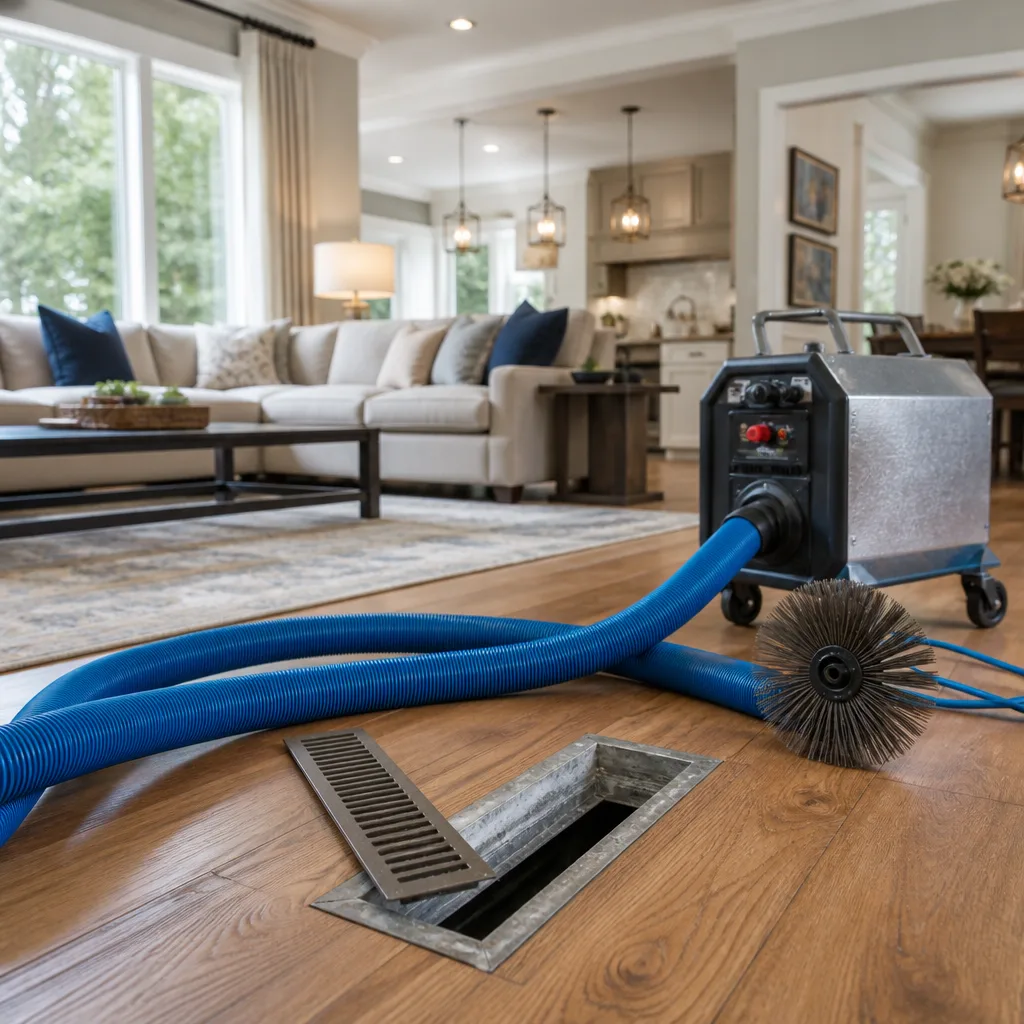
Last updated November 23, 2026
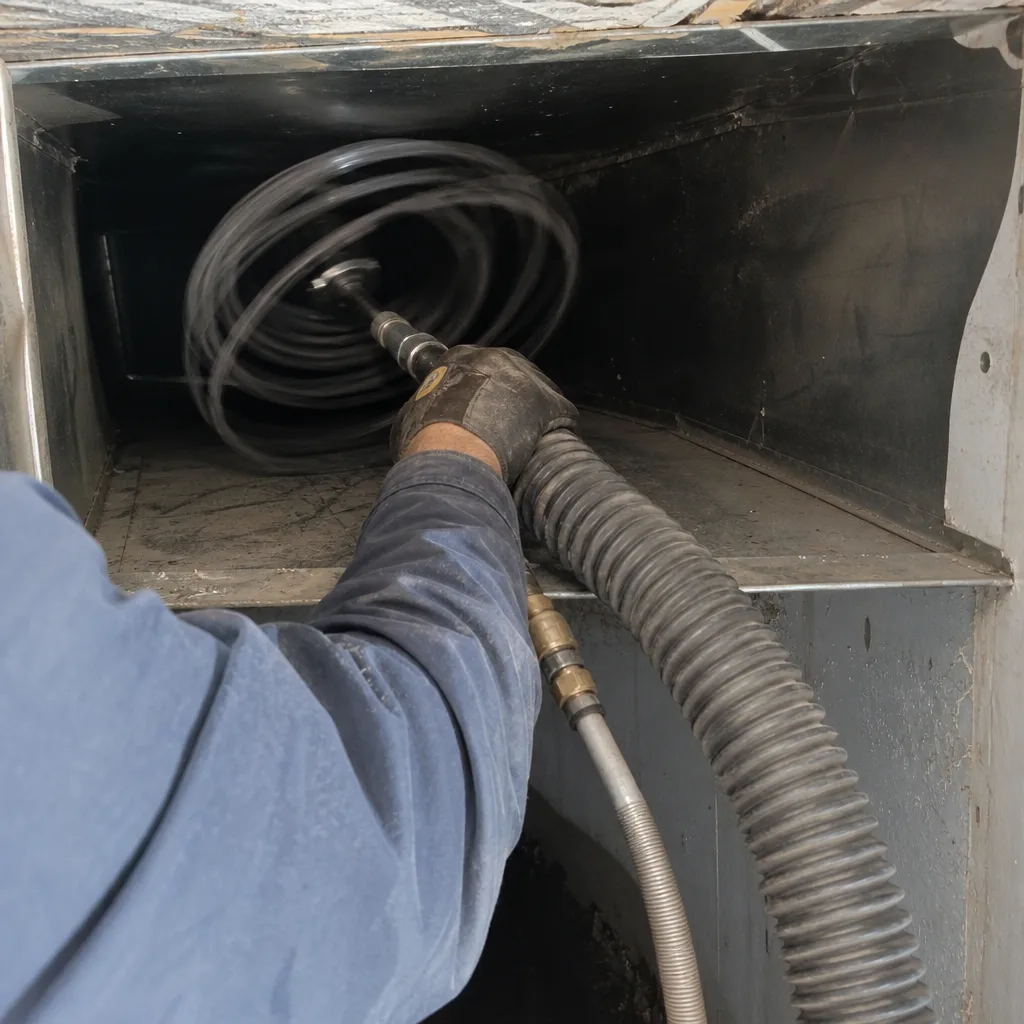
 Whole-home duct cleaning
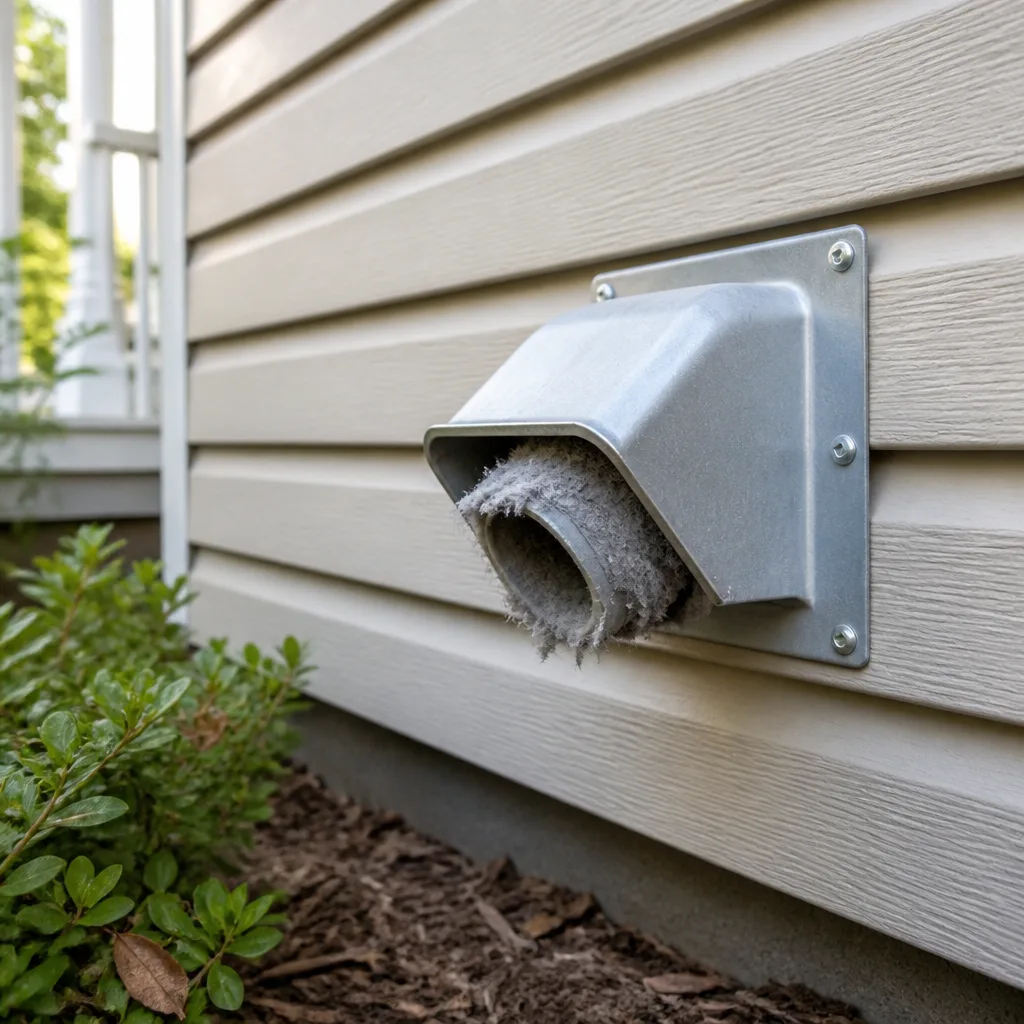 Dryer vent cleaning
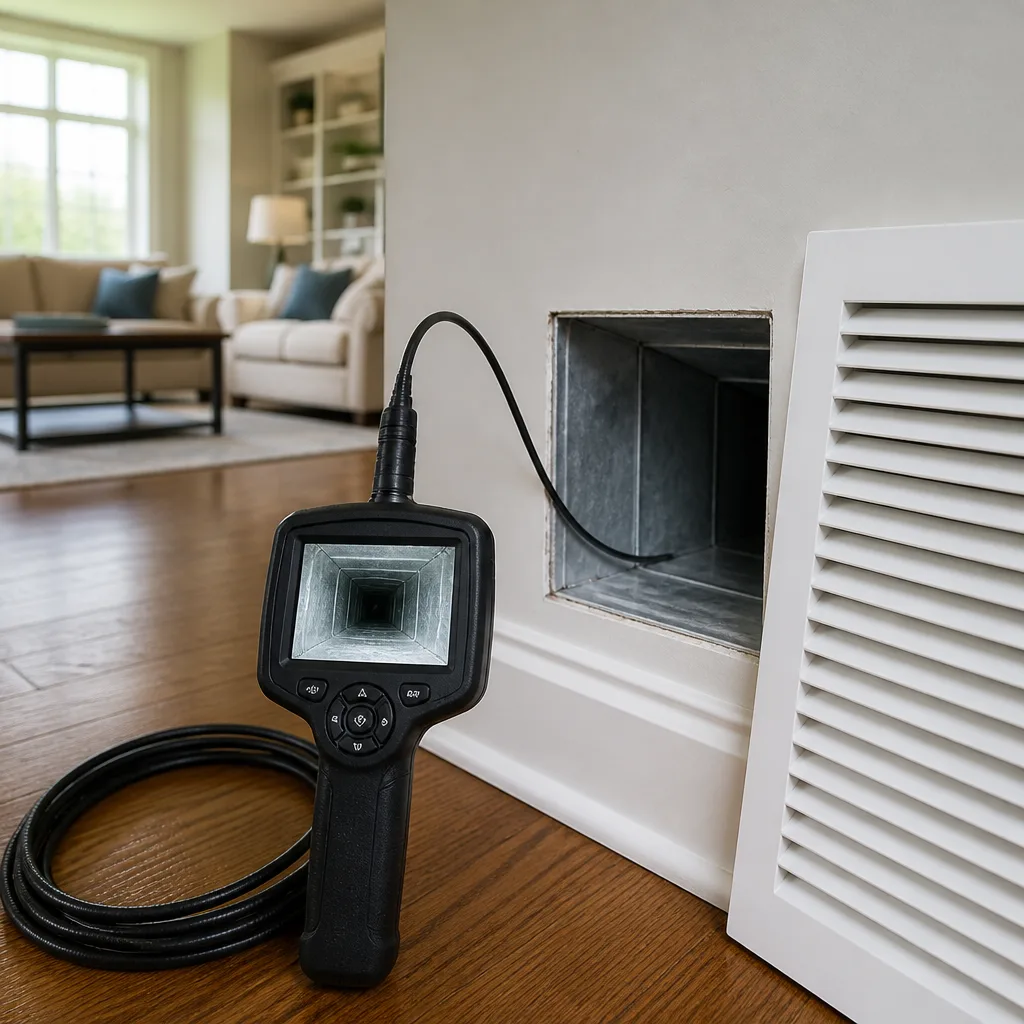 Camera inspection
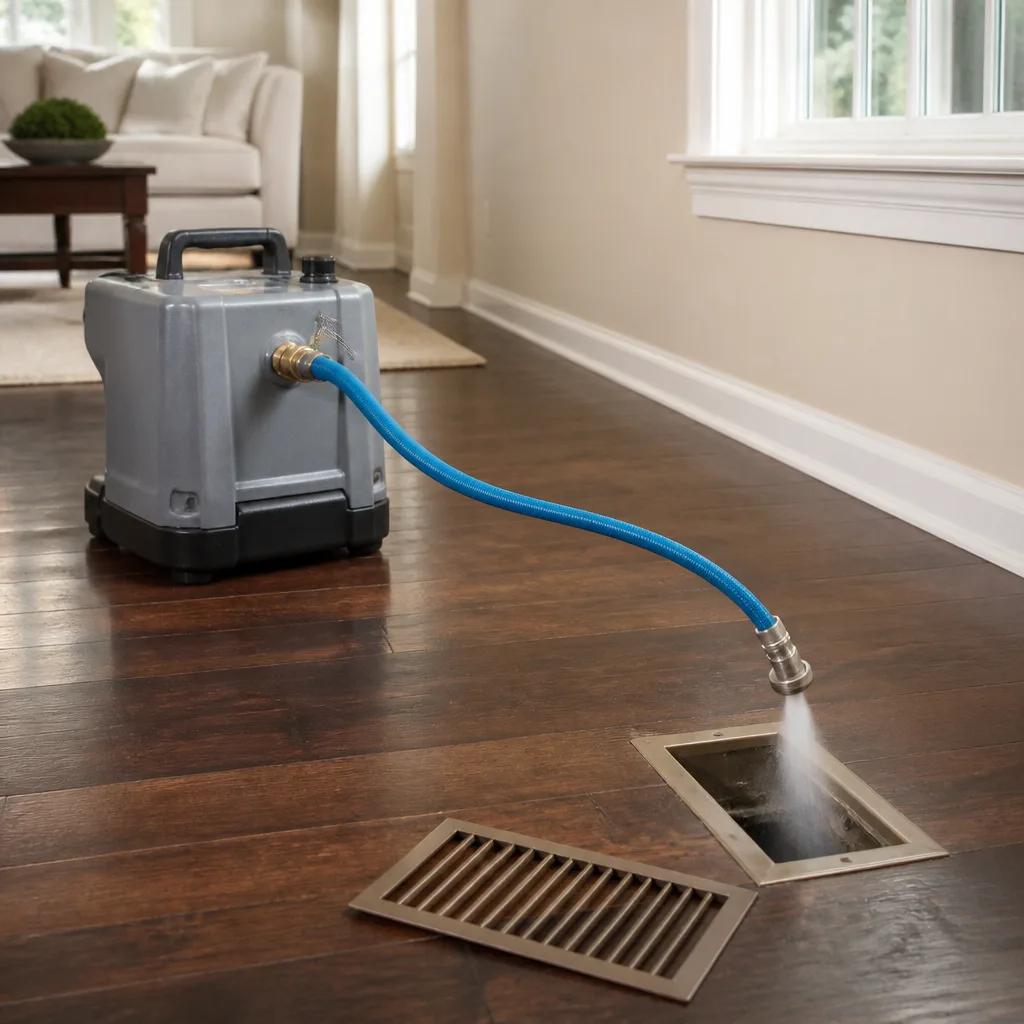 Sanitizing & deodorizing
Whole-system duct and dryer vent check with before-and-after photos - you see exactly what came out of your vents
That "$99 whole-house special" is a bait ad - the real number appears once they are in your hallway, or the "clean" is a shop-vac at the register. We photograph the inside of your ducts before and after instead.
Air Duct Cleaning Permits, Codes & Inspections in Crabtree, NC: What You Need to Know
If a contractor replaces a section of ductwork or installs an in-duct UV system during your “cleaning” appointment without pulling a permit, that work may not be code-compliant, and you won’t know until a home inspection flags it. That’s the part most Crabtree homeowners never hear. The cleaning itself is generally not a permitted activity, but the work that gets bundled into a cleaning visit, such as duct modification, component replacement, or mold remediation, sometimes is. This guide walks through where the line falls under North Carolina mechanical code, how Wake County handles HVAC permits, what to request from any contractor doing more than cleaning, and why the distinction matters at resale and in an insurance claim. By the end you’ll know exactly which questions to ask before anyone touches your system.
Quick Answer
Routine air duct cleaning in Crabtree, NC generally does not require a permit because it’s maintenance, not modification. Permits become necessary when ductwork is altered, replaced, extended, or when regulated components like a new in-duct air treatment device or mechanical equipment are installed, and those jobs fall under the NC State Mechanical Code and are permitted through Wake County or the local jurisdiction with authority over the property. Mold remediation inside ductwork can cross into a separately regulated activity depending on scope. Verify any permit through the issuing county or municipal permitting office before work starts.
Styles & brands we work with
- Whole-home duct cleaning
- Dryer vent cleaning
- Camera inspection
- Sanitizing & deodorizing
Table of Contents
- Does Air Duct Cleaning Require a Permit in Crabtree?
- What the NC State Mechanical Code Actually Says About Duct Work
- Cleaning vs. Modification: Where the Permit Line Falls
- How Wake County Handles HVAC Mechanical Permits
- When Mold in Ductwork Becomes Regulated Remediation
- How Unpermitted Duct Work Affects Homeowner’s Insurance
- What Documentation to Request From Your Contractor
- What an Inspection Covers and How to Prepare
Does Air Duct Cleaning Require a Permit in Crabtree?
No, routine air duct cleaning in Crabtree does not require a permit. Cleaning is maintenance, and North Carolina’s mechanical code addresses installation and alteration of mechanical systems, not the removal of dust, debris, and biological buildup from existing ducts. When we clean a system, we’re working with what’s already there, not changing its structure or capacity.
That answer changes the moment the scope changes. There are four common situations where a permit becomes part of the conversation:
- Duct modification or replacement. Cutting in new runs, resizing a trunk line, or replacing a section of rigid duct counts as alteration and typically requires a mechanical permit.
- New equipment installation. Replacing an air handler, adding an in-duct UV or air purification device, or installing new duct-mounted components generally requires a permit.
- Mold remediation beyond surface cleaning. Larger remediation scopes can fall under separate state guidance and possibly additional county requirements.
- Structural changes to the air pathway. Adding a return, moving a register, or rerouting a chase touches framing and mechanical systems, which brings in permitting and sometimes inspection.
What often gets lost: cleaning companies that offer “sanitizing” and “sealing” may blur the line between maintenance and modification in their marketing without ever telling the customer which is which. A homeowner in the Crabtree area with a 1980s or 1990s home, where duct systems were often built with flexible runs and design quirks, is a common candidate for a “repair” being proposed during a cleaning visit. That repair may well be necessary, but if it modifies the duct system, it’s permit territory, and that should be disclosed before anyone signs off on it.
Our recommendation is simple. Ask every contractor: “Is any part of this work going to require a permit?” If the answer is no, get it in writing. If the answer is yes, ask who pulls it.
What the NC State Mechanical Code Actually Says About Duct Work
The North Carolina State Mechanical Code regulates the design, installation, maintenance, and alteration of mechanical systems, including ductwork. It adopts national model code language with state amendments, and it applies across Crabtree and every other community in the state. Cleaning isn’t in scope. Alteration and installation are. That distinction is the reason a cleaning-only appointment is straightforward and a “cleaning plus duct repair” appointment needs a closer look.
The code sections most relevant to duct work tend to fall into a few functional areas. Rather than quote section numbers we haven’t verified for this page, here’s what those sections actually govern in practice:
- Duct system integrity and support. Ducts must be properly supported, connected, and free of excessive leakage. Loose joints, disconnected runs, and crushed flexible duct are code issues, not just comfort issues.
- Materials and installation standards. The code specifies approved materials, including requirements for duct insulation and sealing at joints and penetrations.
- Clearances and combustion air. Where ducts pass near heat sources or affect combustion air for gas appliances, code clearance requirements apply. Get this wrong and you can create a serious safety hazard.
- Return air and plenum construction. Return ducting and plenum construction have specific requirements, particularly where ductboard or other materials are used.
- Ventilation rates. The mechanical code works alongside ventilation requirements that dictate minimum outdoor air and exhaust rates for the space.
If you’re already planning a cleaning and want to know what we actually handle under maintenance scope, our air duct cleaning page walks through the routine work. Anything that touches the physical structure of the system moves into a different conversation. The city of Raleigh and Wake County together administer permitting for the Crabtree area, and the county’s permitting portal is the fastest way to find out whether a permit has been pulled on a specific address.
Safety matters here. Duct modifications near gas-fired equipment, combustion air intakes, or electrical components should be done by licensed mechanical contractors, not general cleaners. Nobody should be cutting into a return plenum adjacent to a gas furnace without the proper license and permit. That’s not a cleaning issue, and it’s not something we’d ever take on informally.
Cleaning vs. Modification: Where the Permit Line Falls
The cleanest way to understand this is a straight comparison. Cleaning removes contamination from an existing, unchanged system. Modification changes the system. Anything that changes it is likely a permit activity. Here’s how the two categories sort out in Crabtree homes:
- Definitely cleaning (no permit). Mechanical agitation of duct interiors, HEPA vacuuming, sanitizing existing surfaces, dryer vent cleaning, coil cleaning, register and grille cleaning, and air filtration during the job.
- Probably cleaning, but verify. Light sealing of small leaks at accessible joints with mastic or approved tape, reattaching a disconnected flex run, and replacing a damaged register boot. Some jurisdictions accept these as maintenance; others want a permit if the work touches the system’s pressure boundary.
- Definitely modification (permit required). Adding or moving a supply or return, resizing ductwork, replacing a full trunk or branch run, installing new equipment, and installing in-duct air treatment devices that require electrical or mechanical tie-in.
We’ve noticed this line is often blurred in the Crabtree market because the area includes a wide mix of housing. Homes built in the 1970s and 1980s often have duct systems that were sized differently than today’s standards, and a well-meaning repair can inadvertently change static pressure enough to affect the whole system. That’s a mechanical code consideration. When we find damaged ductwork during a cleaning, we document it with photos and explain the two paths separately: a cleaning-scope repair if it fits that category, or a referral to a licensed mechanical contractor who can pull the right permit if it doesn’t.
If your system includes original ductboard or aging flexible duct, ask specifically whether the proposed work is a repair or a replacement. Replacement requires a permit and inspection in Wake County. A repair may not. The difference affects your records and your insurance down the road, so get it in writing.
How Wake County Handles HVAC Mechanical Permits
HVAC mechanical permits for properties in the Crabtree area are issued by Wake County or the applicable local jurisdiction, depending on where the property sits and what type of work is being done. The county operates a permitting portal where you can search by address, and pulling a permit is normally the contractor’s responsibility, not the homeowner’s.
Here’s the process, from the homeowner’s side:
- Confirm who’s pulling the permit. Ask the contractor directly. A licensed mechanical contractor will pull the permit in their own name. If they say “you don’t need one,” ask why, and get it in writing.
- Check the county’s online permit search by property address. This is the fastest way to verify whether a permit has actually been issued for your address.
- Ask for the permit number before work begins. A legitimate permit should have a number you can look up.
- Confirm inspections. Duct modifications usually require at least a rough-in inspection before ducts are closed up and a final inspection after. Ask who schedules the inspections and when.
- Keep a copy of the permit and inspection record. Store these with your home maintenance records, not just your inbox.
Wake County’s inspection process for mechanical work is designed to catch problems before they’re hidden behind drywall or inside a chase. For a cleaning-only job, no inspection applies because no permit applies. For a duct modification, an inspection is the homeowner’s safeguard that the work was done correctly, and it’s also the paper trail that supports any future insurance claim or home sale.
Property managers in Crabtree who handle multiple units have one additional step: keep a permit log per address. When a claim or a resale comes up, per-address records are far easier to produce than a vague “we had work done a few years ago.” Our team can support with HVAC cleaning for routine maintenance, which is where the permit question doesn’t apply, but the documentation question still does.
One more note: if a cleaning visit surfaces a bigger repair and you’re handed a scope sheet on the spot, take the time to ask whether the repair is a permit activity, and don’t sign anything until that’s clear.
When Mold in Ductwork Becomes Regulated Remediation
Small surface mold inside a duct is usually addressed as part of cleaning and sanitizing. Larger or persistent mold growth, particularly on structural materials or porous ductboard, can cross into remediation territory, and North Carolina’s Department of Environmental Quality has published guidance for mold remediation that owners and contractors are expected to follow.
The practical line for Crabtree homeowners is scope. Consider the difference between these:
- Sanitizing existing duct surfaces after cleaning. This is maintenance and typically doesn’t require special permitting.
- Remediating mold that has colonized ductboard, insulation, or substantial areas of the duct system. This can require containment, air scrubbing, and personal protective equipment beyond typical cleaning scope.
- Structural remediation where mold growth indicates a moisture source that also requires repair, such as compromised insulation, a roof leak, or a plumbing issue. That brings in additional trades and permits.
We deploy Abatement Technologies air filtration during every job, and that matters specifically for mold situations. Cleaning dislodges spores. Without a scrubber capturing them at the source, they can recirculate into the living space during the appointment. If we find extensive mold growth during a Crabtree cleaning, we recommend a separate remediation evaluation rather than doing a surface sanitize and calling it done. Sometimes the honest answer is that the scope is bigger than the cleaning equipment is designed to handle.
Homeowners who are concerned about mold should also know this: humidity in Wake County’s summers is a real factor. Crawl space moisture and poorly sealed ductwork in unconditioned attic space frequently contribute to duct condensation and mold growth. If your system sits in a vented attic or crawl space, that’s a well-known local condition. We use Guardsman products where appropriate to support the post-cleaning surface condition, but equipment and approach matter more than any single product.
For anyone with asthma, allergies, or respiratory sensitivities, we take an extra step and confirm the scope with the treating physician when the homeowner asks us to. Cleaning helps in many cases, but it doesn’t replace medical advice.
How Unpermitted Duct Work Affects Homeowner’s Insurance
Unpermitted duct modifications can affect homeowner’s insurance in three ways: by voiding coverage for damage tied to the unpermitted work, by creating disputes during a claim investigation, and by complicating a sale or refinance when a buyer’s inspector flags the discrepancy.
The mechanism is simple. Most policies cover damage from a sudden event but exclude or reduce coverage for faulty workmanship. If water damage or air quality problems trace back to duct work that was modified without a permit and wasn’t inspected, an adjuster may classify that as faulty or unpermitted work, which shifts the cost to the homeowner. The same exposure applies to air quality claims tied to a compromised ventilation system.
There’s a second angle worth knowing. During a claim investigation, insurers commonly review permit history. A permit on file with Wake County is a documented, inspected, third-party-verified record. Its absence is a gap the insurer will ask about.
For Crabtree homeowners, the practical steps are:
- Confirm that any duct modification performed on your home has a permit number, and keep a copy.
- Keep the inspection record from Wake County in the same file.
- If you discover older unpermitted work during a cleaning, talk to a licensed mechanical contractor about whether it can be brought into compliance now.
- Before you file a claim related to air quality or HVAC damage, review your permit history so you know exactly what’s on record.
None of this is meant to alarm you. It’s meant to make the paper trail routine. A short stack of documents saves substantial friction at claim time. Our team can point you to the maintenance records we keep for your property, but permits and inspection records live with the county, not with us, so pull your copies.
What Documentation to Request From Your Contractor
Ask for documentation before the work starts, not after. For a cleaning-only appointment in Crabtree, the paperwork is minimal. For anything beyond cleaning, it needs to be complete.
For a cleaning-only job, ask for:
- A written scope of work that states what will be cleaned and what equipment will be used.
- Before-and-after photos of your actual ducts, not stock images.
- An invoice that lists the full job scope.
For any work beyond cleaning, ask for:
- The permit number, issued by Wake County or the applicable jurisdiction.
- The name and license class of the mechanical contractor performing the work.
- Confirmation of general liability insurance and workers’ compensation coverage.
- The inspection record once inspections are complete.
- A copy of any equipment manufacturer documentation for new components, including warranties.
The license point matters. North Carolina regulates mechanical contractors, and anyone performing permitted mechanical work needs to be licensed for that work class. Cleaning companies, even well-equipped ones like ours, aren’t licensed to do permitted mechanical work, and we don’t. When the scope calls for it, we refer you to a licensed mechanical contractor. We’d rather say that plainly than risk someone’s insurance and safety on work outside our lane.
What we do provide is thorough documentation of what we find. When we run an air duct cleaning Crabtree appointment and discover compromised ductwork, we photograph it, note the location in the system, and give you that record. You can hand it directly to a mechanical contractor for a permit quote.
What an Inspection Covers and How to Prepare
If your work required a permit, an inspection by Wake County verifies that the work matches the permitted scope and code requirements. For dust and contamination concerns alone, there’s no inspection because there’s no permit. An indoor air quality assessment is a separate conversation about testing the system, not about code compliance.
For a mechanical inspection on duct work, an inspector will typically verify:
- That the installed system matches the permitted scope.
- Duct materials and support systems.
- Connections and sealing at joints, transitions, and terminations.
- Clearances to combustibles and around heat-producing equipment.
- That return air pathways and plenums are properly constructed.
- Ventilation and exhaust requirements relevant to the space.
To prepare for the inspection, make sure the work area is accessible. Basements, attics, and mechanical closets need to be reachable, and any panels or covers that were removed for the work should be either reinstalled or set aside in a way the inspector can see. Have the permit number and scope sheet available. Inspectors are looking for compliance, not a hard time, and an accessible, well-documented job usually moves through quickly.
The homeowner’s role is to make sure the inspections actually happen. Sometimes the best-intentioned contractor completes the work but never schedules the final inspection. That leaves a permit open on the county’s records, which is precisely the sort of thing that surfaces during a sale. Confirm the final inspection was completed, and get the record.
Common Mistakes to Avoid
- Assuming all duct work during a cleaning is “just cleaning.” If the contractor is replacing a section of duct or installing new components, that’s modification, and it usually needs a permit. Get the scope in writing before the appointment so there are no surprises.
- Accepting a verbal “you don’t need a permit” from the person doing the work. A licensed mechanical contractor or the county permitting office is the right source for that answer, not the person who’s asking you to sign the estimate. Always confirm with the authority having jurisdiction.
- Losing track of the inspection. Permits are only closed out after the final inspection passes, and a closed final inspection is what appears in the county’s record. If the inspection is never done, the permit stays open and can surface during a sale or refinance.
- Treating heavy mold growth as a cleaning problem. Sniffing bleach or running a sanitizer isn’t remediation. When mold is on structural materials or covers large areas, you need a proper remediation scope with containment and air scrubbing, not a cleaning appointment that dislodges spores into the living space.
- Skipping documentation on a Crabtree rental property. Property managers often inherit duct systems that were altered by previous owners. Without per-address records, it’s nearly impossible to reconstruct what was permitted and what wasn’t.
- Replacing ductless exhaust or dryer vent runs without checking. Dryer vent terminations and HVAC exhaust runs have their own code requirements. Our dryer vent cleaning service addresses the maintenance side, but any rerouting or new termination should be verified with the permitting office.
- Trusting stock images. Before-and-after photos should be of your actual ducts. If the images show a generic system, the documentation is worthless for your records.
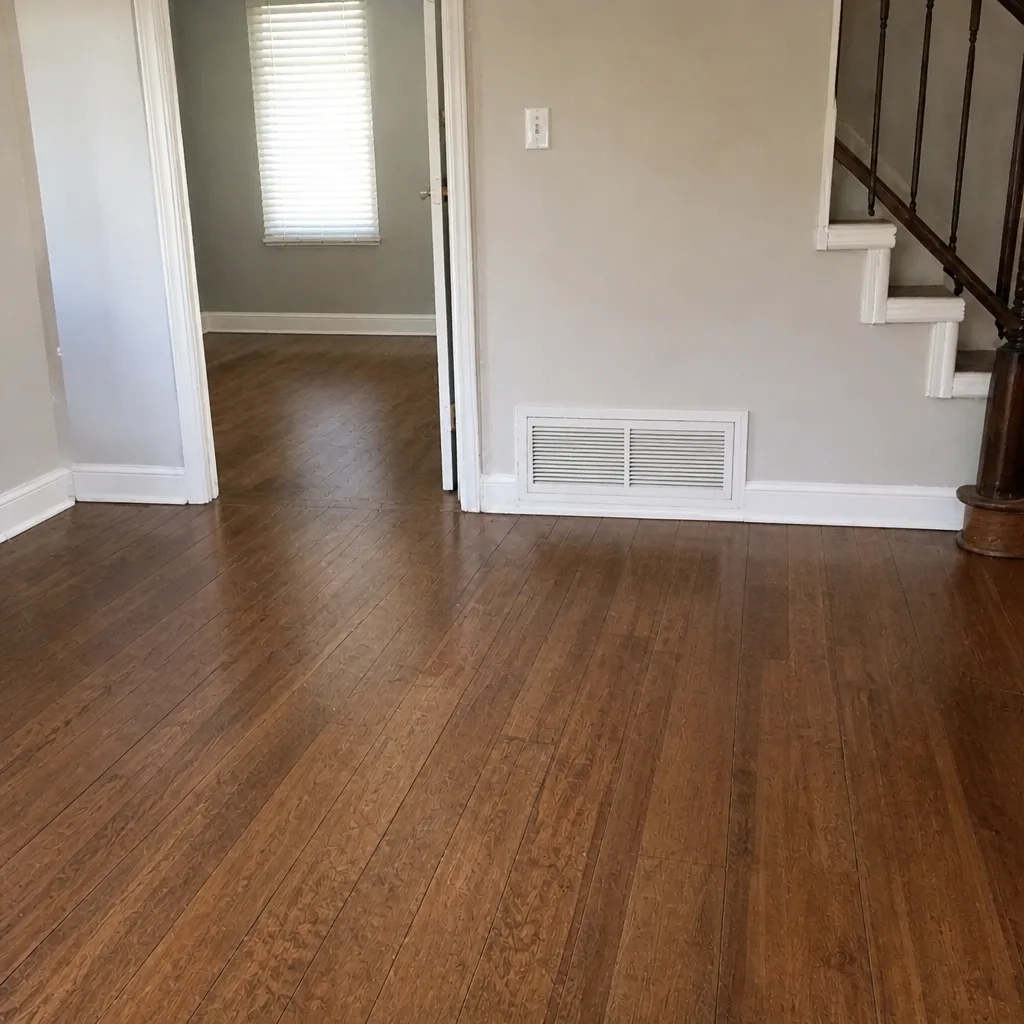
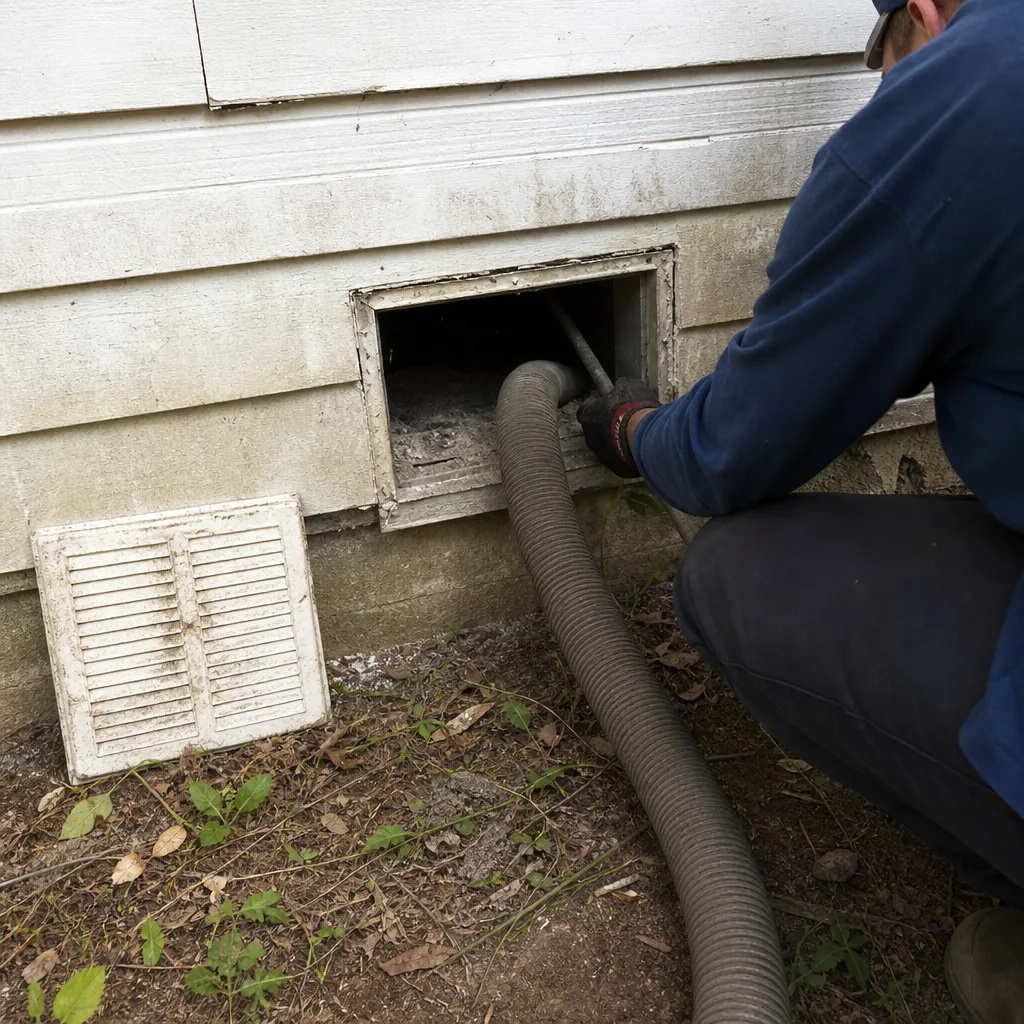
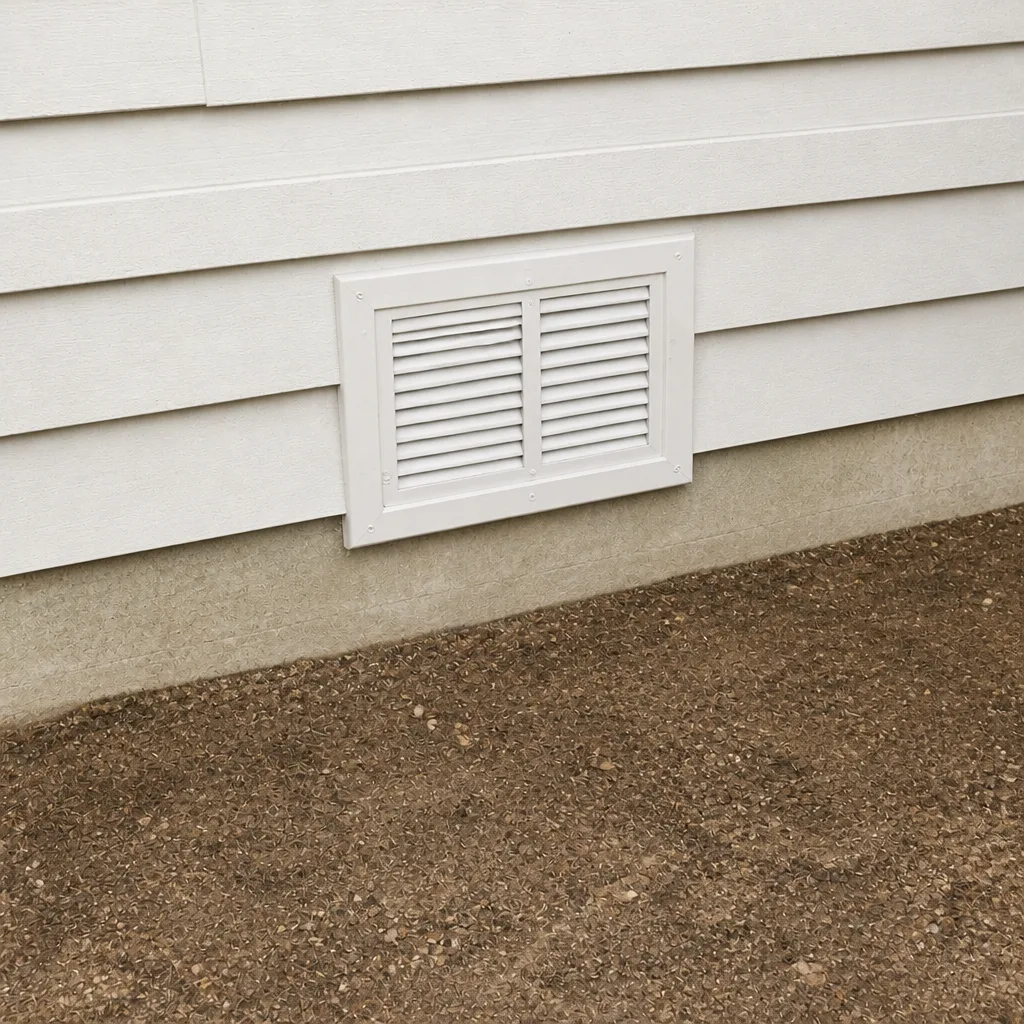
See the difference
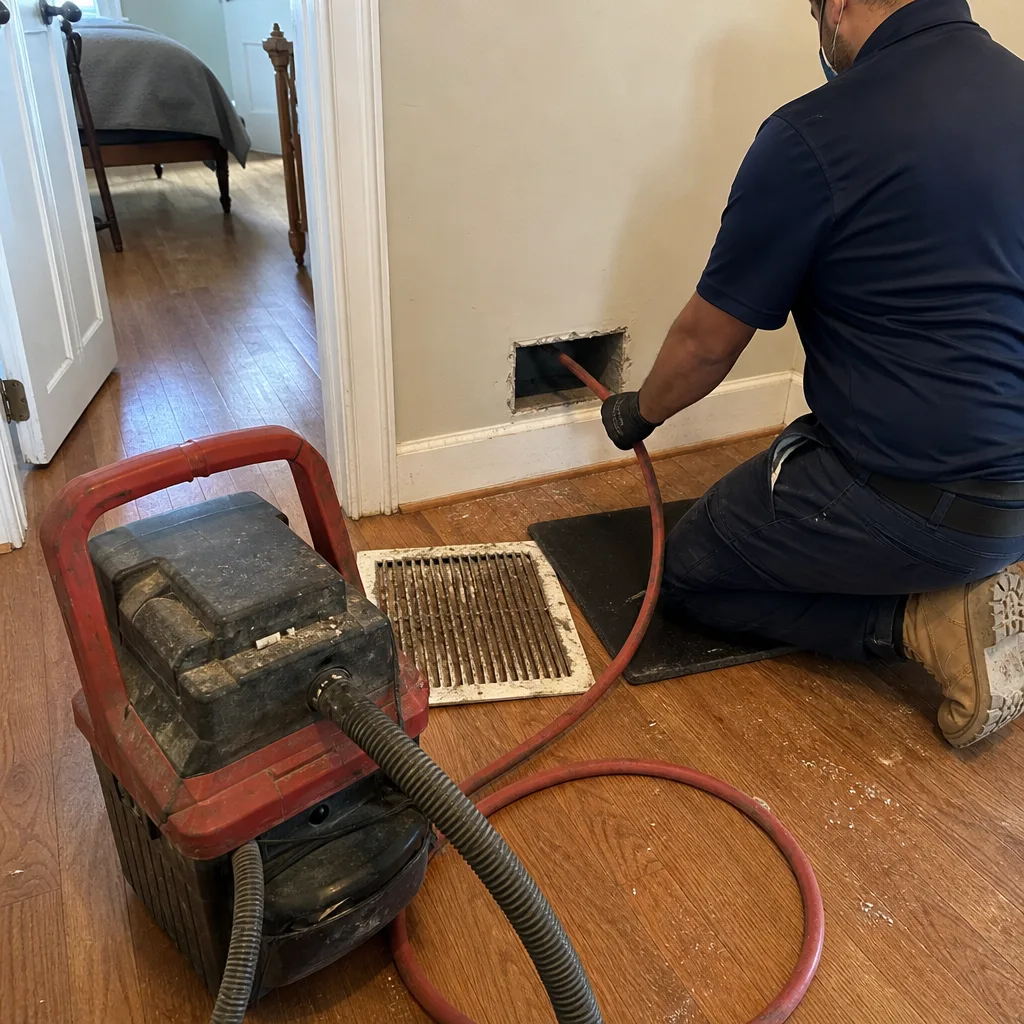 Before
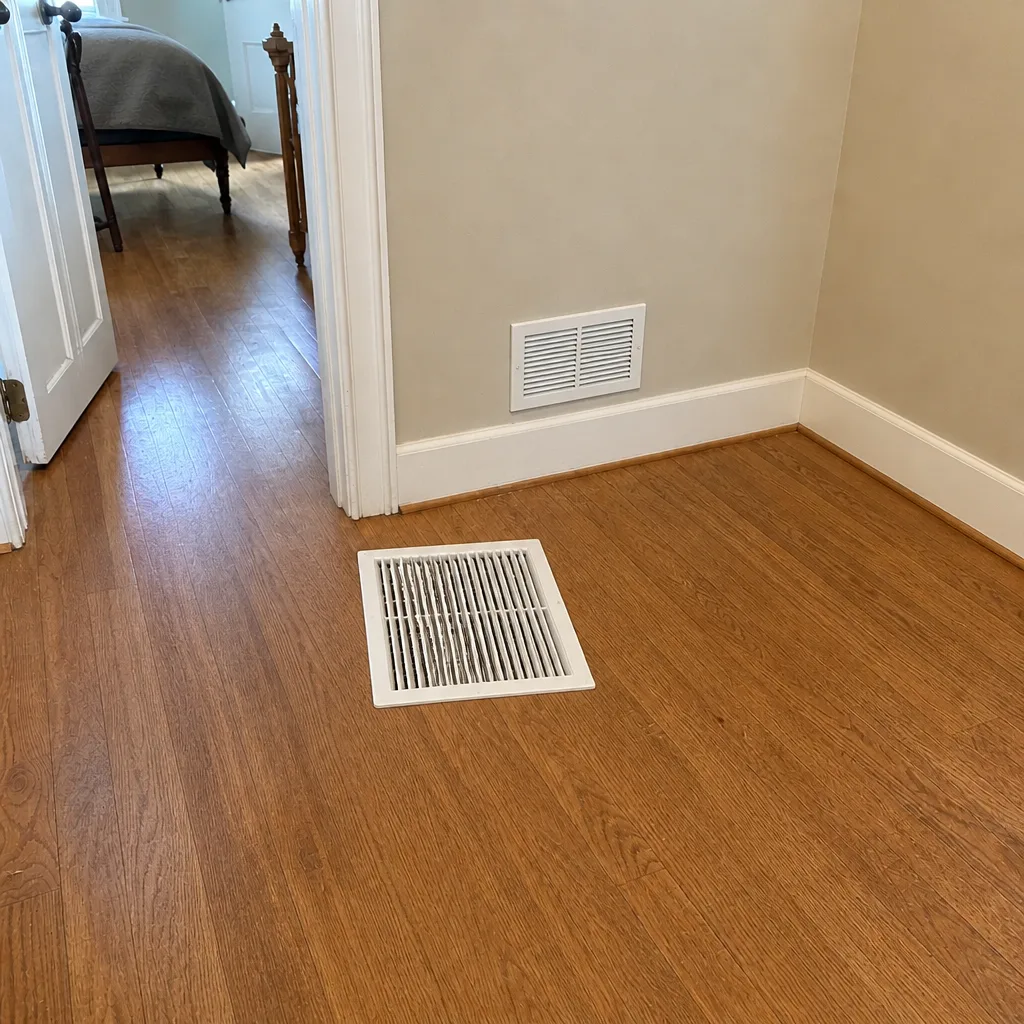 After
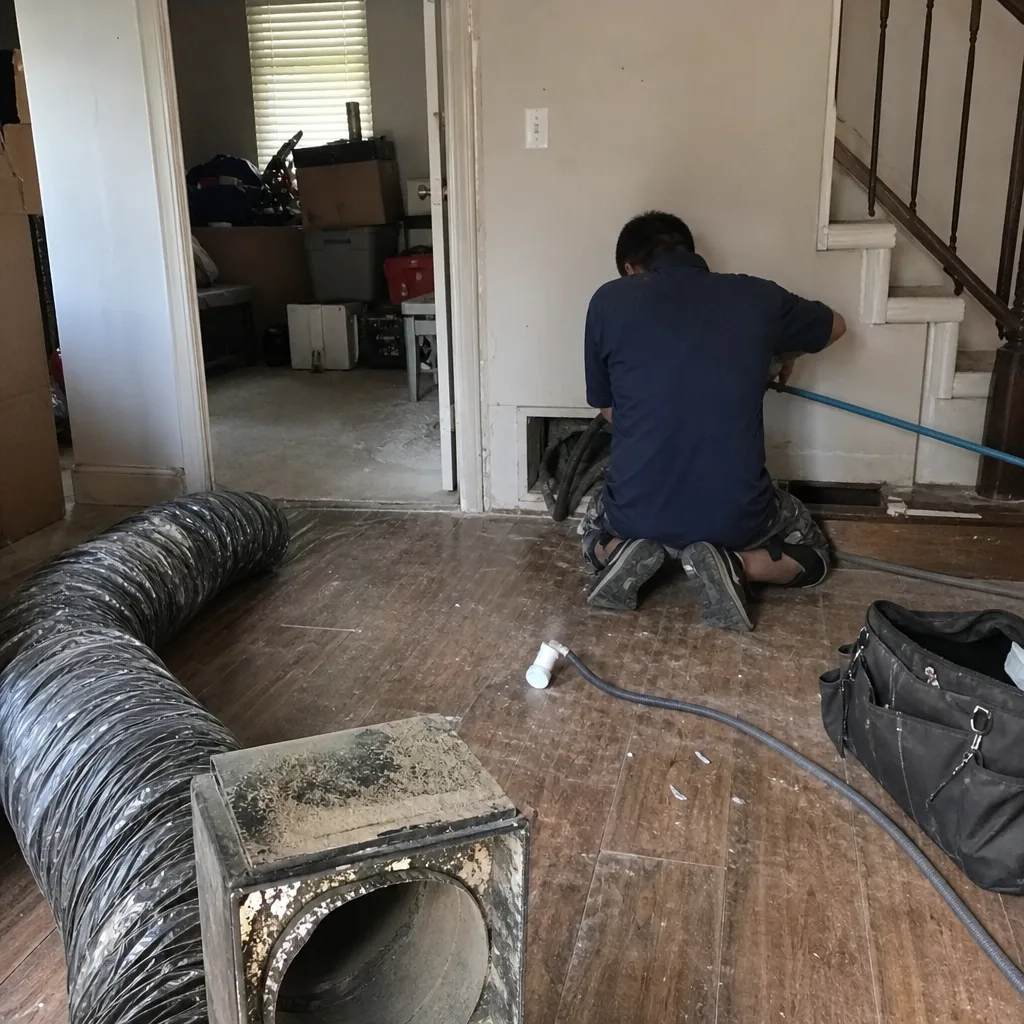 Before
 After
 Before
 After
When to Call a Professional
Call a professional when you notice persistent musty odors that don’t clear after a filter change, visible mold growth inside registers or on accessible duct surfaces, uneven airflow between rooms, or a dust buildup that returns within days of cleaning. Call for dryer vents especially, since lint buildup is a real fire hazard and not something to clear with a shop vac. If you’re in Crabtree and something in the system looks or smells wrong but you’re not sure whether it’s cleaning scope or modification scope, that’s exactly the call to make. Our team uses Rotobrush rotary brush systems and Nikro HEPA-rated vacuums to handle the cleaning side safely, and Abatement Technologies air scrubbers run throughout the job so contaminants get captured instead of recirculated. Air Duct Cleaning Crabtree offers free estimates in Crabtree. Call (833) 509-5534. We answer 24/7. Fast dispatch from 7am to 7pm, Sunday through Friday.
For anyone planning a cleaning, our HVAC cleaning page covers what maintenance scope actually includes, and our air duct cleaning Crabtree page covers the full-pathway work. If you’d rather have a conversation than read a page, call. Estimates are free, and we’ll tell you plainly whether your situation is cleaning scope or permits.
Frequently Asked Questions
No. Air duct cleaning is maintenance and generally does not require a permit in Crabtree or anywhere else in North Carolina. The permit comes in only when the work alters the duct system, installs new equipment, or crosses into regulated remediation. Call (833) 509-5534 for a free estimate on cleaning-scope work.
Cleaning removes contamination from an existing, unchanged system, while modification changes the system’s structure, layout, or components. Anything that cuts, resizes, adds, or replaces ductwork or equipment is usually a permit activity under the NC State Mechanical Code, permitted through Wake County or the local jurisdiction. If you’re unsure which category your work falls into, ask the contractor to put it in writing, then verify with the county.
Normally the licensed mechanical contractor performing the work pulls the permit in their own name. The homeowner’s job is to confirm a permit number exists before work begins, check it on the county’s permit search by address, and make sure the final inspection was completed. If your cleaning company isn’t a licensed mechanical contractor, they shouldn’t be pulling a mechanical permit, and that’s a category we refer out.
Keep the permit number, the final inspection record, the contractor’s license number, and confirmation of their insurance. Also keep before-and-after photos of your actual ducts and the manufacturer documentation for any new equipment. That packet is what supports a resale disclosure or an insurance claim years later. Call (833) 509-5534 if you want help identifying what a cleaning scope should document.
It can. Insurers commonly review permit history during a claim, and faulty or unpermitted work is often excluded from coverage. Damage or air quality problems traced to an unpermitted duct modification can become the homeowner’s cost. Pull your permit history before you file a claim, and if you discover older unpermitted work, have a licensed contractor assess whether it can be brought into compliance.
Sometimes. Light surface mold is usually handled as part of cleaning and sanitizing. Extensive mold on porous duct materials like ductboard, or mold that indicates a persistent moisture problem, generally calls for a separate remediation scope with proper containment and air filtration, following North Carolina DEQ guidance. Our team uses Abatement Technologies air scrubbers on every job, and if we find extensive growth we’ll tell you honestly that remediation is a different category of work. Call (833) 509-5534 for a free assessment.
Yes, but it becomes a disclosure item, and a buyer’s inspector may flag it. The best path is to verify what’s permitted, get any unpermitted work brought into compliance now if it’s a code or safety issue, and have clean documentation ready for the buyer. Permits are easiest to sort out before the contract, not after.
The Bottom Line
Cleaning your ducts is a maintenance task that doesn’t require a permit. Modifying them does. Those two activities frequently get bundled into a single appointment, and that’s where Crabtree homeowners end up with uninspected work that surfaces at resale or in a claim. Before you book anything, ask whether any part of the proposed scope is a permit activity, confirm who pulls the permit, verify it through Wake County, and keep the inspection record in the same file as your before-and-after photos. If the scope is cleaning, our team handles it with professional equipment and honest documentation. If it’s modification, we’ll tell you so and point you to a licensed mechanical contractor.
Call (833) 509-5534 for a free estimate. We answer 24/7. Fast dispatch from 7am to 7pm, Sunday through Friday. Our technicians have up to 11 years of experience, and we’re glad to walk through what your Crabtree system needs and what it doesn’t.
Written by the team at Air Duct Cleaning Crabtree.