
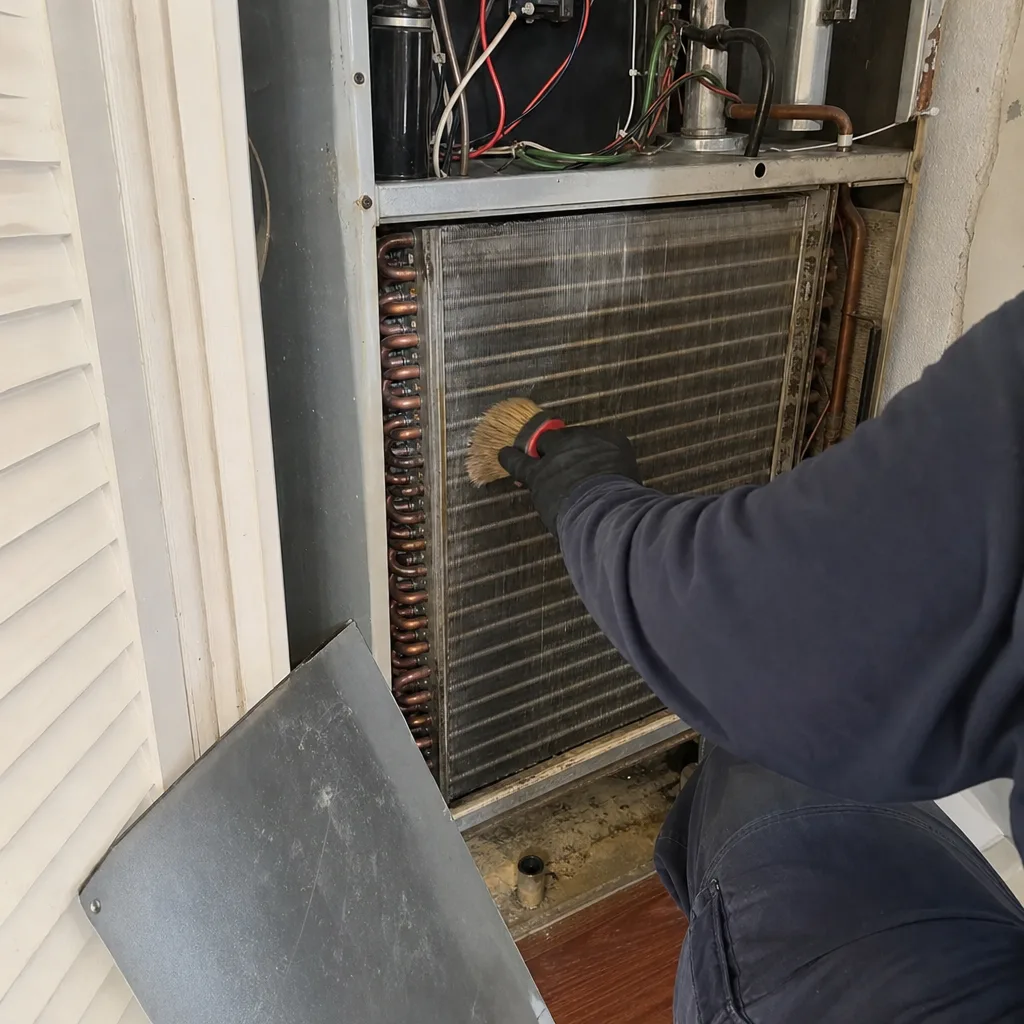
Last updated November 23, 2026
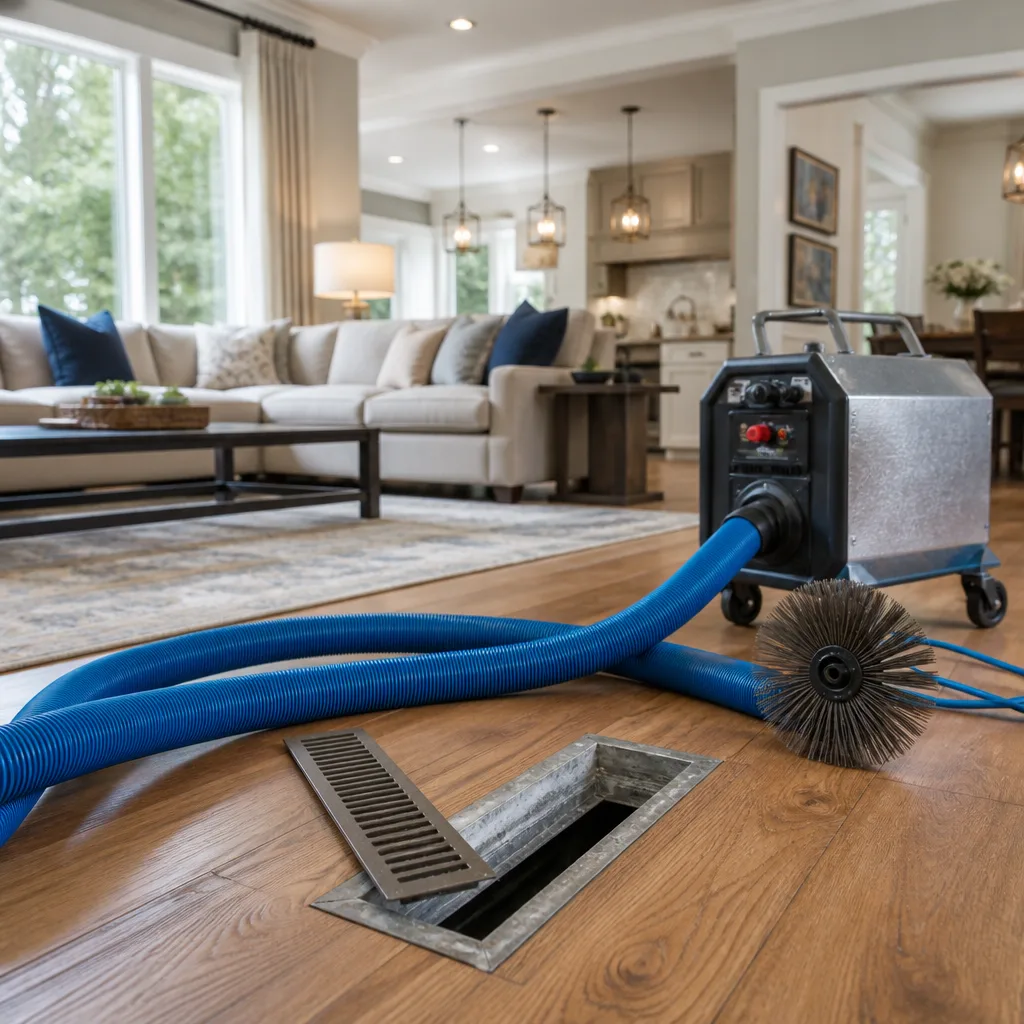 Whole-home duct cleaning
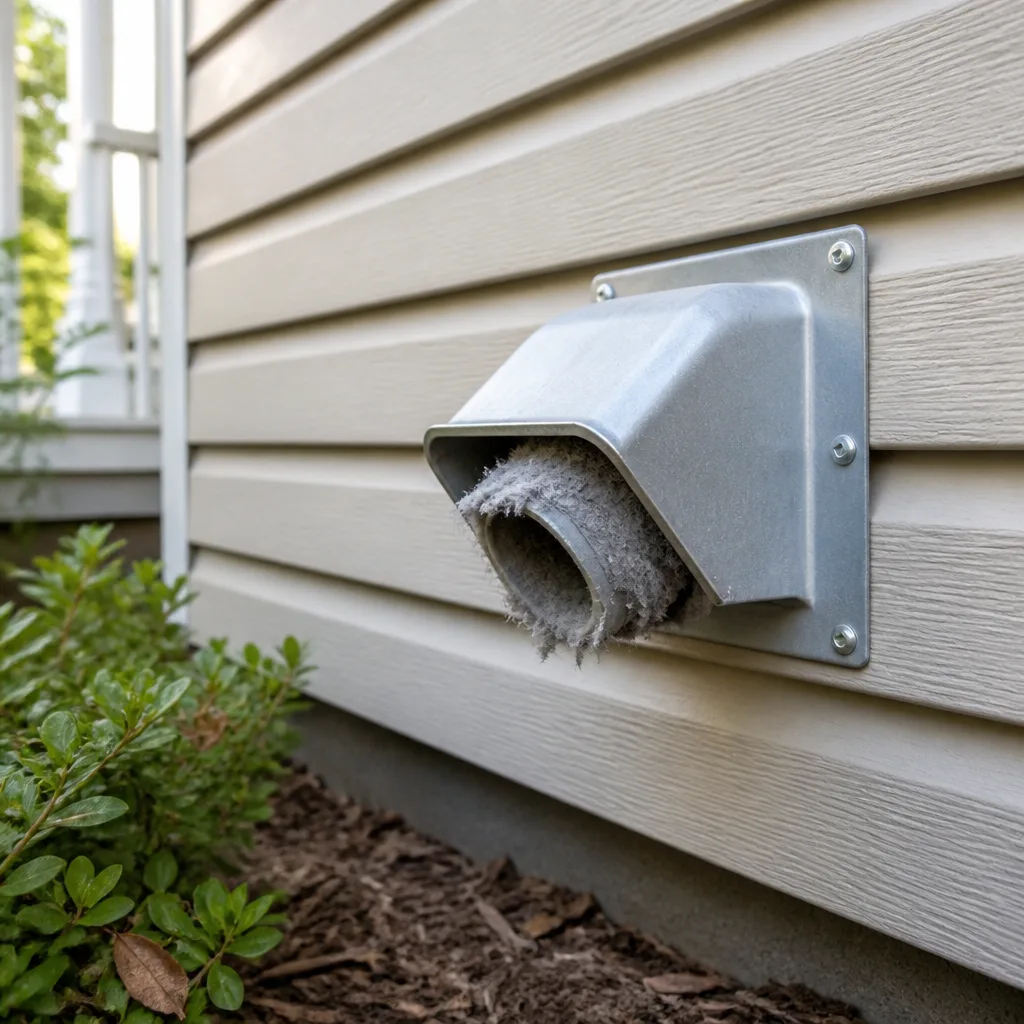 Dryer vent cleaning
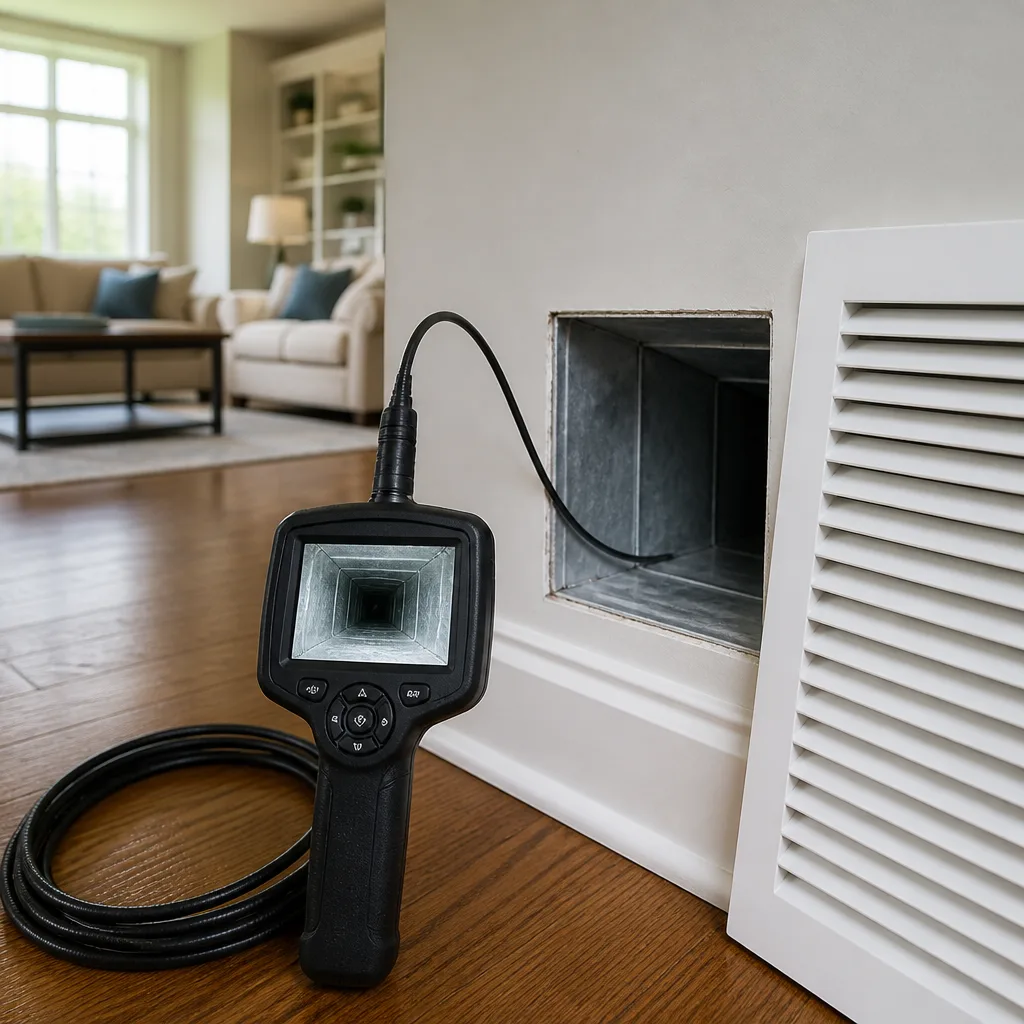 Camera inspection
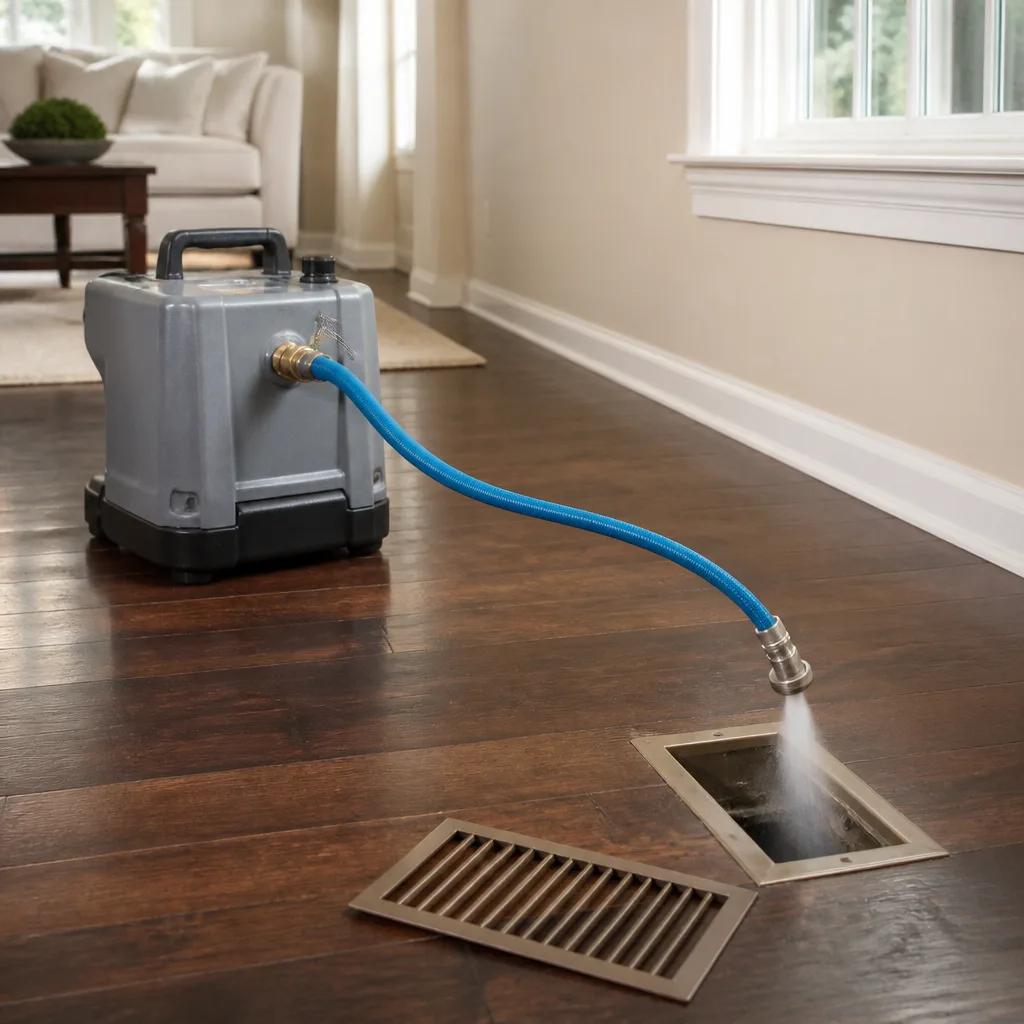 Sanitizing & deodorizing
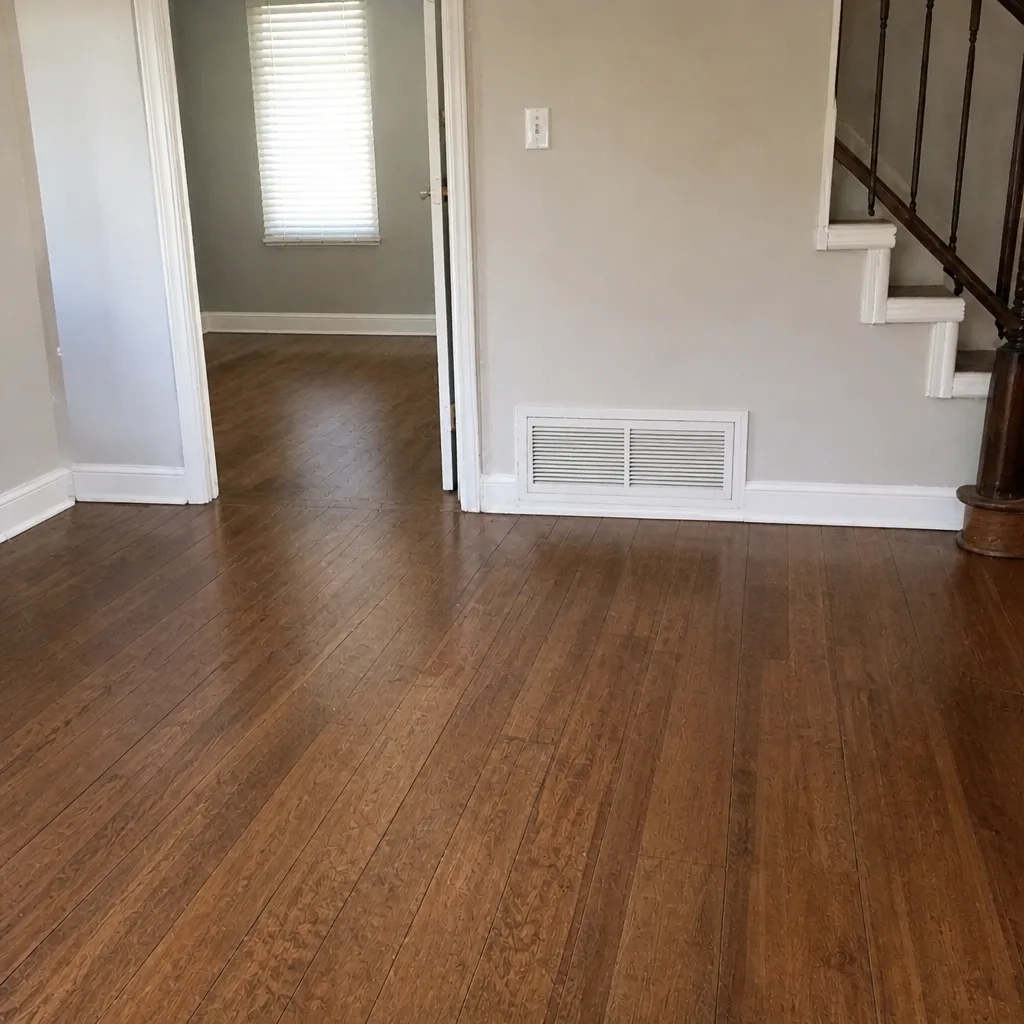
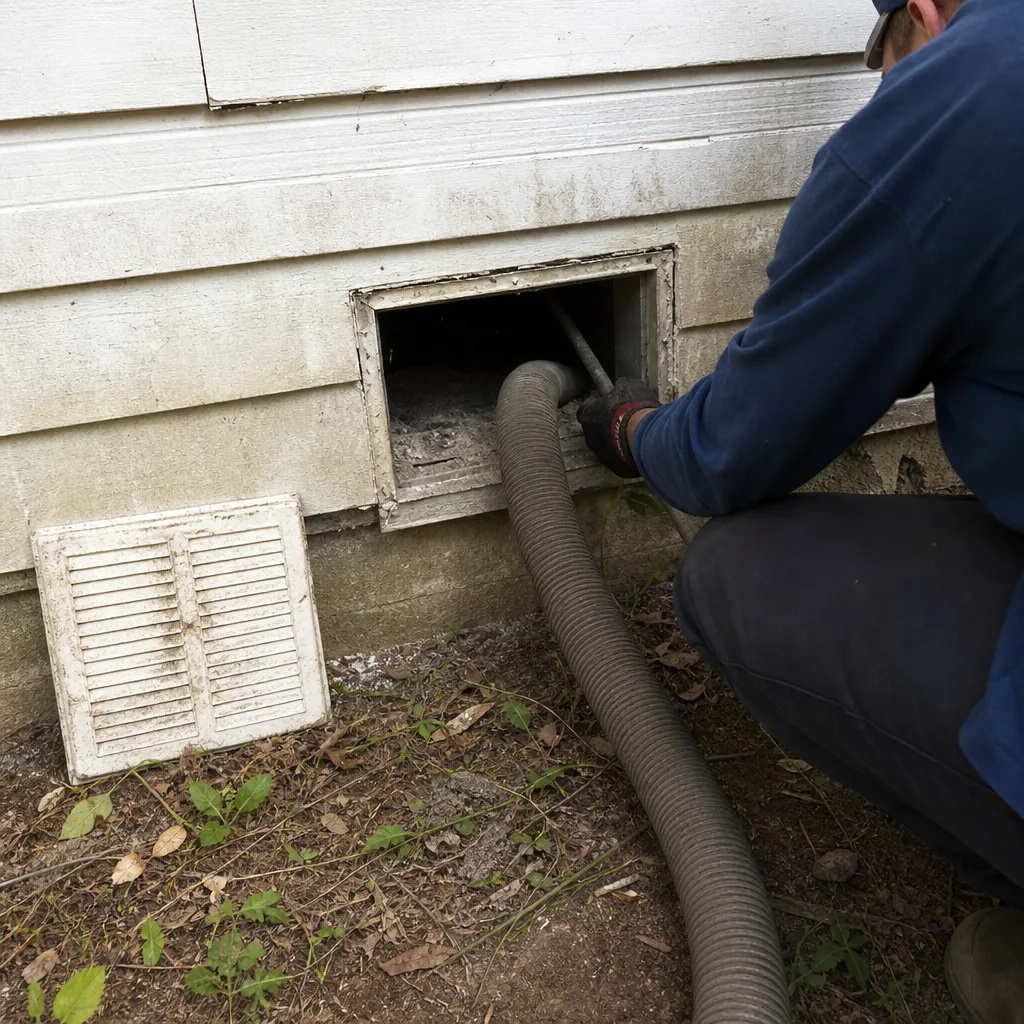
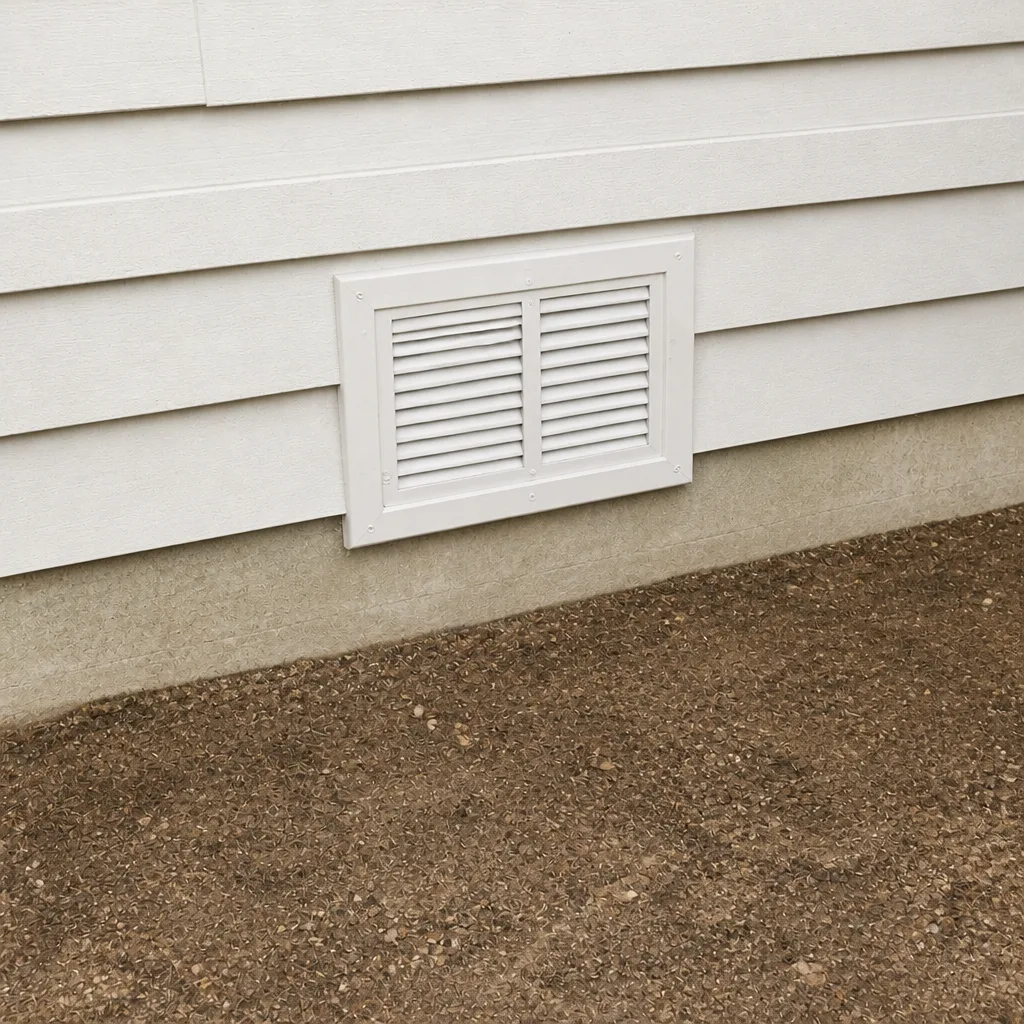
Whole-system duct and dryer vent check with before-and-after photos - you see exactly what came out of your vents
That "$99 whole-house special" is a bait ad - the real number appears once they are in your hallway, or the "clean" is a shop-vac at the register. We photograph the inside of your ducts before and after instead.
Air Duct Cleaning Maintenance Checklist for Crabtree Homeowners
The filter-change interval printed on the box is a marketing assumption. It’s calculated for some average house in some average climate, and it doesn’t know that your Crabtree home has a shedding dog, a screen of loblolly pines dropping pollen onto the return side, and a Piedmont summer that pushes relative humidity past 70 percent for weeks at a stretch. A checklist built around that printed number will miss the early signals that actually matter. What follows is a component-by-component inspection protocol for Crabtree homes: what to check at each register, how to log baselines, which duct materials change your priorities, and which tasks belong in your hands versus a technician’s.
Quick Answer
A workable air duct maintenance routine in Crabtree has three layers: monthly filter checks (not replacements on a calendar), a visual and odor inspection at every register each season, and a professional full-system cleaning and duct integrity check every few years, sooner if you see debris blowout or notice uneven airflow. The checklist below is organized room-by-room and by duct material so you catch trends before they turn into repairs.
Styles & brands we work with
- Whole-home duct cleaning
- Dryer vent cleaning
- Camera inspection
- Sanitizing & deodorizing
Table of Contents
- Start With Baselines, Not Cleaning
- What to Check at Every Register
- Flex Duct vs. Rigid Sheet Metal: Different Inspection Priorities
- Seasonal Adjustments for Crabtree’s Shoulder Seasons
- DIY-Appropriate Tasks vs. Technician Tasks
- Building a Maintenance Log You’ll Actually Use
- Don’t Forget the Dryer Vent
- Common Mistakes to Avoid
Start With Baselines, Not Cleaning
The single most useful thing a Crabtree homeowner can do for their duct system costs nothing: write down what it looks and feels like right now, before any cleaning happens. Without a baseline, every future observation is a guess. “The airflow feels weaker” means nothing if you never noted how it felt when it was strongest. A written record turns vague impressions into trends, and trends tell you whether the next step is a filter change, a sealing job, or a full air duct cleaning.
We recommend a one-page log you keep with the HVAC unit itself, not in a drawer somewhere. On the first pass, capture three categories:
- Filter condition and date. Note the date installed, the filter’s stated rating, and what the filter face looks like (light dust film, matted gray, visible hair and lint). Photograph it.
- Airflow at each register. Hold a strip of tissue or a small piece of lightweight paper at each supply register and note the deflection: strong, moderate, weak, or none. Do the same at the returns. This gives you a relative picture across rooms, which is more useful than any absolute number.
- Visual debris and odor notes. Look into the register boot with a flashlight and describe what you see. Note smells separately, in plain words: musty, dusty, sweet, damp.
Repeat the filter and airflow entries monthly. Everything else gets checked each season. In Crabtree’s climate the spring pollen season and the late-summer humidity peak are the two points where your log will start showing change fastest, and having earlier entries to compare against is what makes those changes readable instead of alarming.
What to Check at Every Register
Registers are the accessible end of a system that spends most of its life hidden. That makes each one a diagnostic window. Work through every supply and return in the house with a flashlight, and at each one answer the same three questions in order: what does it look like, what does it smell like, and how does the air behave.
Visual cues: dust, growth, or mechanical wear
- Dry, powdery dust film on the register fins and the boot interior points to ordinary accumulation and filtration that’s underperforming. This is the most common finding.
- Gray or black staining that streaks along a surface, particularly near the grille or where the boot meets the drywall, deserves closer attention. That pattern is worth having assessed rather than wiped away, because it can indicate moisture is present somewhere behind the wall.
- Fuzzy, textured, or patchy growth on the boot interior or on the flex duct liner is a different category from dust and shouldn’t be treated as a cleaning problem until the moisture source is found.
- Rusted screws, water staining on the boot, or peeling tape at the seam are mechanical cues. They tell you the duct is either taking on moisture or has been leaking, and both compromise the system.
Odor cues
Smell each register with the system running, then again a minute after it stops. A musty or damp-earth smell that gets stronger when the blower starts points toward the ductwork or the evaporator coil. A dusty, dry smell is usually just accumulated debris. A sweet or chemical smell is a separate issue entirely and warrants shutting the system down and having it examined. Note which registers smell and which don’t; a smell concentrated in one branch of the system narrows the problem considerably.
Airflow cues
Compare each register to the strongest one in the house. A bedroom that consistently blows weaker than the rest of Crabtree’s typical single-story floor plans isn’t necessarily broken, but a register that used to be strong and has faded is telling you something changed. That’s the kind of finding your baseline log is built for.
Flex Duct vs. Rigid Sheet Metal: Different Inspection Priorities
Most Crabtree homes built or renovated in recent decades have a mix: rigid sheet metal at the trunk and main runs, then flex duct branching off to individual registers. The two materials fail in different ways, so the checklist you apply to each is different. Knowing which you have where is the first step. Look into a register boot with a flashlight; if you see a shiny silver corrugated tube, that branch is flex. If you see flat, stiff metal with seams and tape, it’s rigid.
Inspecting flex duct
- Sagging runs. Flex duct should be supported and fairly straight. A run that dips or drapes between supports restricts airflow and collects debris at the low point.
- Crushed or kinked sections. Flex duct can collapse at a tight bend or where someone stepped on it in the attic. A kink is an airflow problem you can often see from the register end if the run is short.
- Liner condition. Many flex ducts have an inner plastic liner over the insulation. A torn or detached liner is a place where insulation fibers can enter the airstream, and it’s not something to fix with tape.
- Outer jacket damage. Rips in the outer vapor barrier let attic air and moisture into the insulation. In Crabtree’s humid summers that’s a condensation risk, not just an efficiency loss.
Inspecting rigid sheet metal
- Seam and joint integrity. Look at the taped and mastic’d joints. Peeling tape, gaps at fittings, and disconnected sections at the trunk are the classic rigid-duct failure points.
- Internal debris accumulation. Rigid metal collects dust along the bottom of horizontal runs. Heavy, even accumulation suggests it’s been a long time since a cleaning.
- Rust and condensation staining. Bare sheet metal in a humid attic or crawl space will show water marks where condensation formed. That’s a sign to look at insulation and sealing, not just cleaning.
- Register boot attachment. The boot-to-floor or boot-to-wall joint is where a lot of leakage happens. Feel for air escaping around the boot with the system running.
Sealing is the piece most cleaners skip. Cleaning without addressing disconnected joints and peeling tape means the system will pull attic or crawl space air straight back in, and the ducts will be dirty again. Duct repair and sealing is part of the job, not a separate upsell, and it’s what keeps the results of a cleaning in place.
Seasonal Adjustments for Crabtree’s Shoulder Seasons
Crabtree sits in the NC Piedmont, where spring and fall are real seasons but rarely stable ones. A week of 78-degree afternoons in March, followed by a frost, followed by another warm spell, is normal here. What that does to a duct system is worth understanding, because it drives the two failure modes that show up most in Piedmont homes: irregular cycling and condensation.
Spring: pollen and short cycling
Pine pollen in the Piedmont coats everything outdoors, and it finds its way into return air through open windows, door gaps, and any leak in the return side. During a shoulder season the system may run for ten minutes and then sit idle for hours, which is exactly the pattern that lets pollen settle in the ducts rather than get carried to the filter. Check filters more often in spring, and watch the return registers closely during the heaviest pollen weeks.
Fall: the swing back to heat
The first heating cycle after a long cooling season is when a lot of Crabtree homeowners notice a smell at the registers. That’s usually dust that settled on the heat exchanger over the summer. If it clears in a day or two, it’s ordinary. If it persists, it’s worth investigating.
Late summer: condensation risk
This is the one to watch. High outdoor humidity combined with an air-conditioned duct running through a hot attic or crawl space creates a temperature differential where condensation forms on the duct’s exterior, and on uninsulated sections, sometimes on the interior as well. That moisture is what turns a dust problem into a biological one. Check for damp spots, dripping, or staining on the insulation wrap after the longest cooling runs of the summer.
The shoulder-season check
When the system is cycling irregularly, do this once a week:
- Look at the condensate drain line and pan for standing water.
- Feel the insulation wrap on exposed duct runs in the attic or crawl space for dampness.
- Check filters for any sign of moisture, not just dust.
- Note any new musty smell at registers in your log, with the date.
DIY-Appropriate Tasks vs. Technician Tasks
A useful checklist draws a clear line between what a homeowner can safely do and what needs equipment and training. Crossing that line is how people damage their own ductwork or, worse, get hurt. Here’s where the line falls.
Safe for a homeowner
- Changing filters and recording when you did it.
- Vacuuming the face of supply and return grilles with a brush attachment.
- Wiping the visible interior of a register boot with a damp cloth to assess what’s there.
- Visual inspection with a flashlight in the accessible parts of the system.
- Keeping the baseline log and updating airflow observations.
- Checking that return grilles aren’t blocked by furniture or rugs.
Requires a technician
- Cleaning beyond the register boot, which means the trunk lines and branch runs. Consumer shop vacuums don’t have the airflow or filtration to do this without redistributing what they dislodge. We run Nikro HEPA-rated vacuums that capture particles down to 0.3 microns, paired with Rotobrush rotary brush systems that agitate the duct walls mechanically before the vacuum pulls debris out.
- Duct repair, re-sealing, and reconnecting disconnected joints.
- Any work requiring access to the attic or crawl space duct runs.
- Addressing any evidence of biological growth, which requires finding and fixing the moisture source first.
- Cleaning the evaporator coil, blower, and other internal HVAC components. This falls under HVAC cleaning and involves components you don’t want to disturb without knowing what you’re doing.
- Sanitizing, which only makes sense after a proper mechanical cleaning.
One more point on equipment: during the job, we run Abatement Technologies air scrubbers to capture airborne contaminants at the source rather than simply loosening them and letting them recirculate through the house. That’s a level of air protection most cleaning visits don’t include, and it’s why the difference between a proper cleaning and a cheap one isn’t just price.
Building a Maintenance Log You’ll Actually Use
A log is only useful if keeping it is easy. Ours is a single sheet taped inside the air handler closet door, with columns for the date, filter condition, airflow notes per room, visual findings, and odor notes. That’s it. No app, no binder, no color coding.
Here’s the routine that works:
- First entry: do the full baseline described at the top of this guide. Capture filter photo, airflow readings per room, and visual notes.
- Monthly: one line for filter condition. Two minutes.
- Seasonally: full register walkthrough with odor and airflow notes.
- After any professional service: note the date, what was done, and the technician’s findings.
- Annually: look back at the whole log. Any room where airflow has trended downward over the year, any recurring odor note, any repeated damp finding, all get flagged as priorities.
What you’re looking for in the annual review is pattern, not any single entry. One weak register in January that’s strong by April is noise. A register that’s been drifting weaker for three seasons running is a signal.
Don’t Forget the Dryer Vent
A whole-home ventilation checklist that stops at the HVAC system misses the other duct that moves air through your house under heat and lint load. The dryer vent has its own inspection logic, and it’s genuinely safety-relevant, not just a performance issue.
Check the exterior vent flap while the dryer runs. It should open freely with good outward airflow and close when the dryer stops. Feel the air; a strong, even stream is what you want. A flimsy or intermittent stream suggests lint is accumulating somewhere in the run. Look for scorching, dark staining, or lint packed around the outside of the hood, and notice whether the laundry room feels unusually humid during a cycle. We treat dryer vent cleaning as a named, dedicated service because it deserves the same equipment and attention as duct cleaning, not a quick add-on at the end of a visit.
Common Mistakes to Avoid
- Changing filters on the box’s printed interval. That number assumes a generic home. Crabtree’s pollen season and humidity mean some homes need much more frequent changes; let your own filter observations tell you, not the packaging.
- Wiping a register and calling it clean. The register boot is the last few inches of a system that runs through the attic and crawl space. Wiping the grille doesn’t tell you anything about what’s upstream.
- Cleaning without sealing. If disconnected joints or peeling tape are pulling attic air into the return, a cleaning just resets the clock. Sealing is what makes the cleaning last.
- Treating a musty smell as a cleaning problem. Odor is a moisture signal. Clean the ducts and the smell comes back, because the water source was never found.
- Assuming cheap means the same job at a lower price. Equipment matters. A job done with a consumer vacuum and a shop vac can leave as much dust airborne as it removes.
- Skipping the shoulder-season checks. The March and October weeks when the system cycles on and off erratically are exactly when condensation and pollen settling happen fastest in Crabtree.
- Never writing anything down. Without a baseline log, every future observation is a guess, and the trends that would trigger early action stay invisible.
See the difference
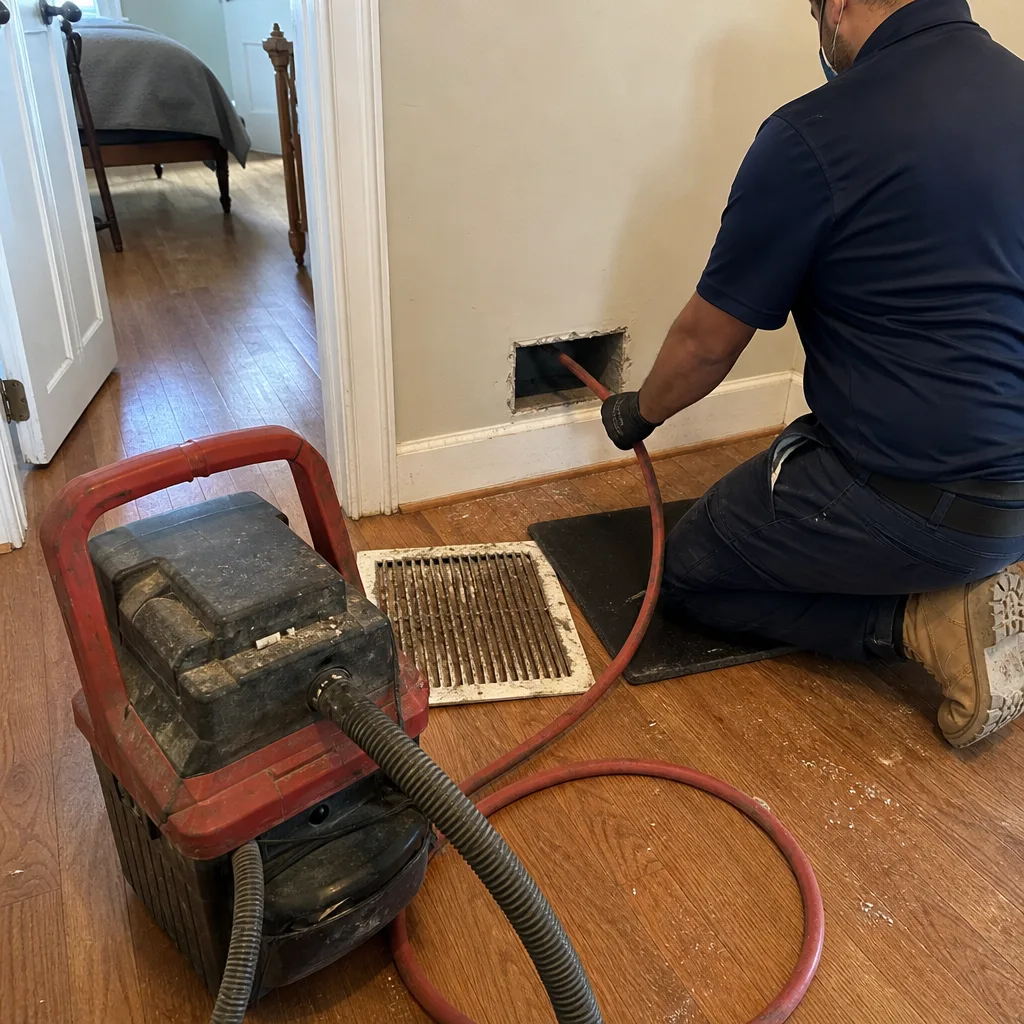 Before
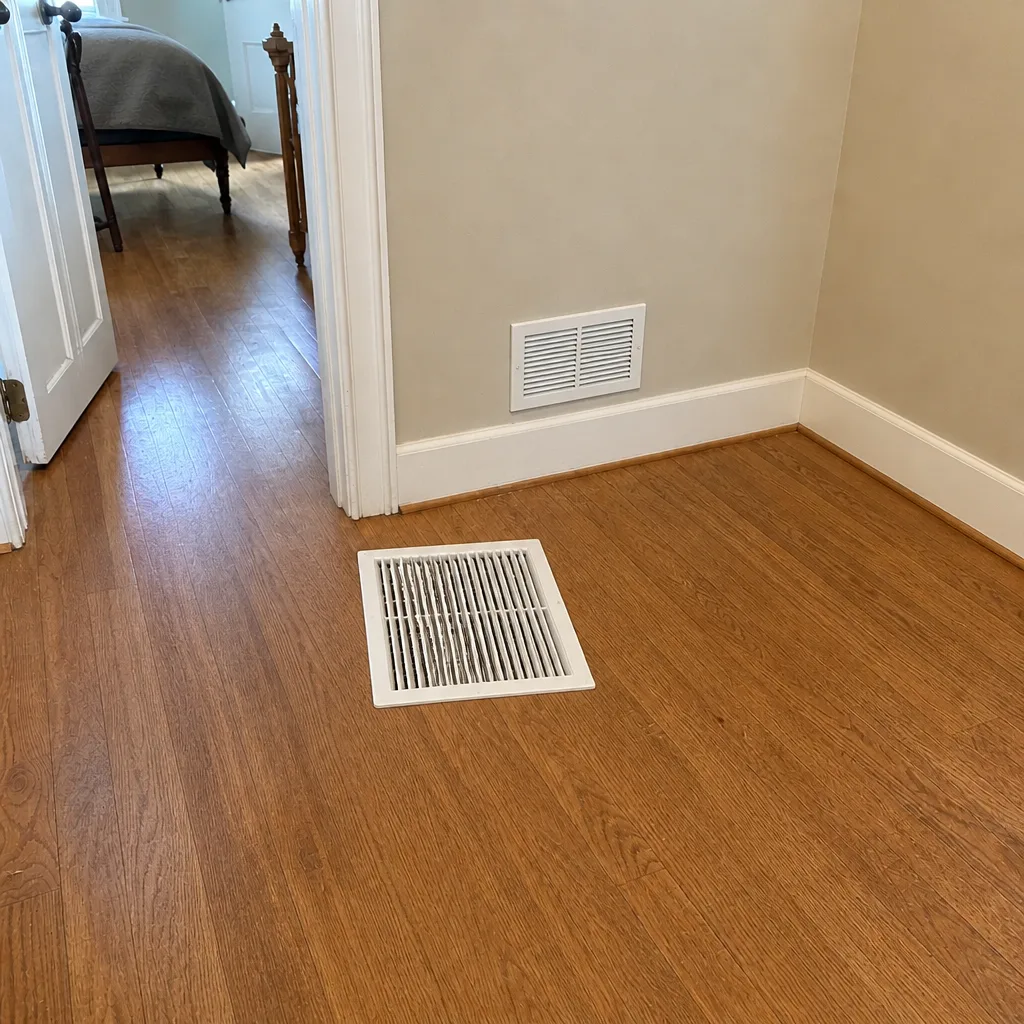 After
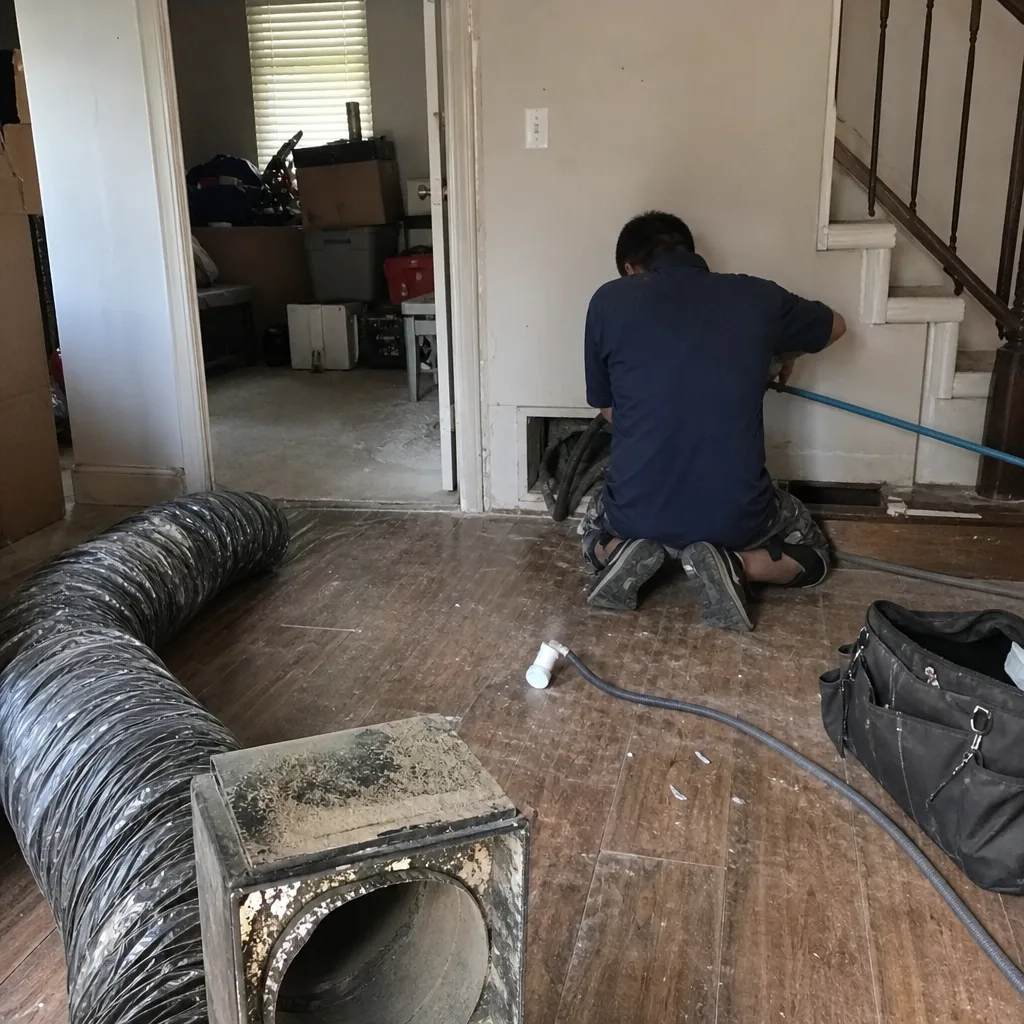 Before
 After
 Before
 After
When to Call a Professional
Most of this checklist is yours to run. These scenarios aren’t: visible debris blowing out of registers, any persistent musty or damp smell, airflow that’s dropped across multiple rooms, evidence of growth or moisture inside the duct, dusty air after a filter change, or the first professional cleaning in a home whose system history you don’t know. In those cases a trained eye with the right equipment will tell you more in a visit than months of inspection can. Air Duct Cleaning Crabtree offers free estimates in Crabtree. Call (833) 509-5534. We answer 24/7. Fast dispatch from 7am to 7pm, Sunday through Friday. The estimate is free and the price is set per job by the written estimate.
Frequently Asked Questions
Every three to five years for most Crabtree homes, sooner if you have pets, recent renovations, or a visible or odor problem. Annual cleaning is rarely necessary for a home with good filtration and no moisture issues. The real trigger is your inspection findings, not a calendar. If your log shows debris accumulation, repeated odor notes, or airflow decline, that’s the signal to call.
Often, yes. Dry, powdery, evenly distributed dust is ordinary accumulation. Streaky dark staining, fuzzy or textured patches, or any damp feeling inside the boot suggests moisture is present and the problem is not simply dust. Musty odor that strengthens when the blower starts is another strong cue. If you see any of those patterns, have it examined rather than cleaned.
Condensation risk in late summer is the main difference. Air-conditioned ducts running through hot attics and crawl spaces can sweat, and persistent moisture is what turns a dust problem into a biological one. That’s why our checklist emphasizes checking insulation wraps and duct exteriors for dampness during the longest cooling runs, and why sealing matters so much here.
Ask for before-and-after photos of your own ducts, not stock images. A technician should be able to show you what the system looked like at the start and what it looks like after cleaning and sealing. Combined with the equipment being used (Rotobrush brushes, HEPA vacuum, air scrubbers during the job), the photos tell you whether the work happened inside the duct or just at the register.
Usually because the job is smaller: a shop vacuum and a reach into the nearest boot is very different from cleaning the full system with mechanical agitation and HEPA capture. Per-vent pricing and coupon figures are a common source of surprise invoices. We work on one flat price per system agreed before any work starts, so there’s no per-register math and no surprise on the invoice. Call (833) 509-5534 for an exact quote; estimates are free.
Typical Crabtree estimates for a full-system cleaning run a few hundred dollars, more for larger systems, multiple trunk runs, or when repair and sealing are added. The estimate is free and the written price sets the final number. Call (833) 509-5534 and we’ll walk through your system’s scope before quoting.
The Bottom Line
The most useful duct maintenance tool a Crabtree homeowner has is a pen. Baseline observations, monthly filter notes, seasonal register walkthroughs, and an annual review of the whole log catch the early signals that a printed filter interval will never see. Combine that with the right material-specific inspections (flex versus rigid), awareness of the shoulder-season condensation window in the Piedmont, and a professional cleaning and sealing when your own findings call for it, and you’ll spend far less than homeowners who wait for a smell or a repair. To get a verifiable picture of your system with the equipment to do it right, see Air Duct Cleaning Crabtree, or call (833) 509-5534 for a free estimate.
Written by the team at Air Duct Cleaning Crabtree.