
Last updated November 23, 2026
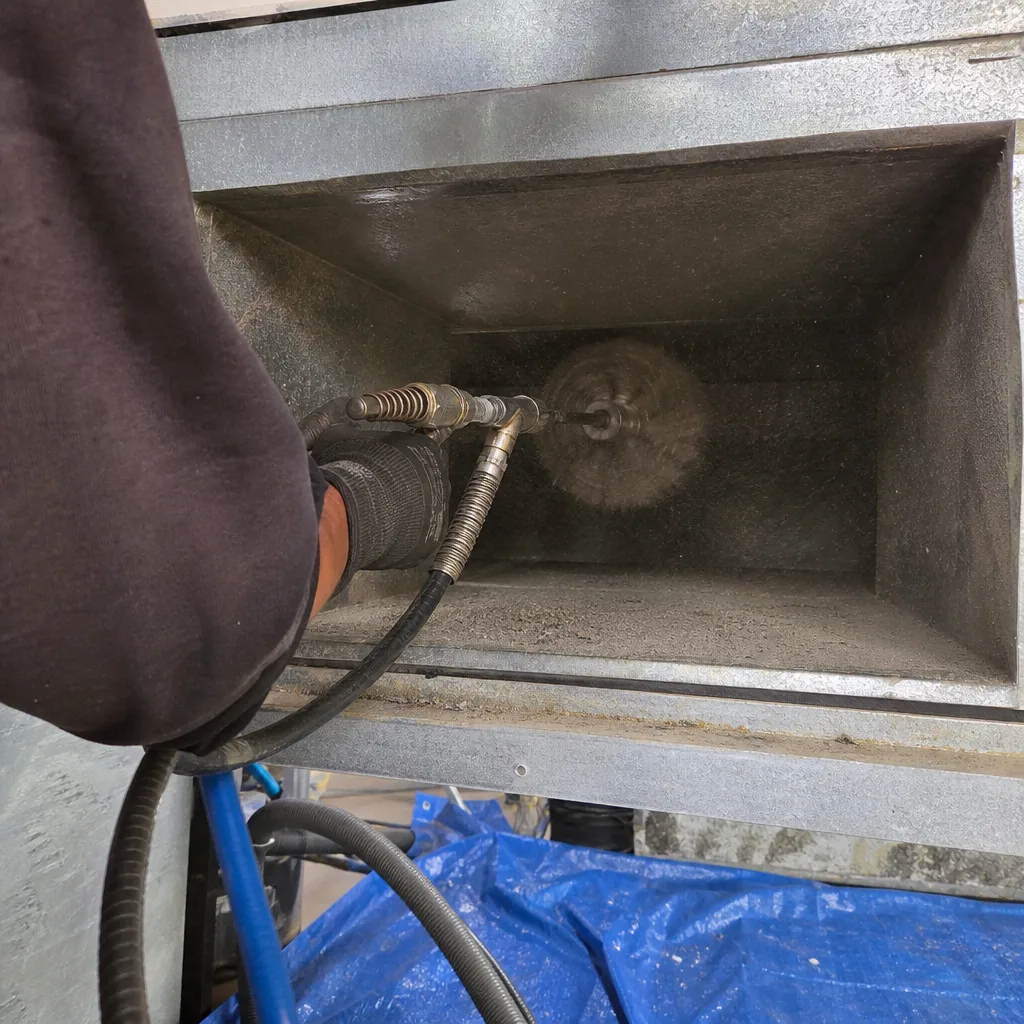
 Whole-home duct cleaning
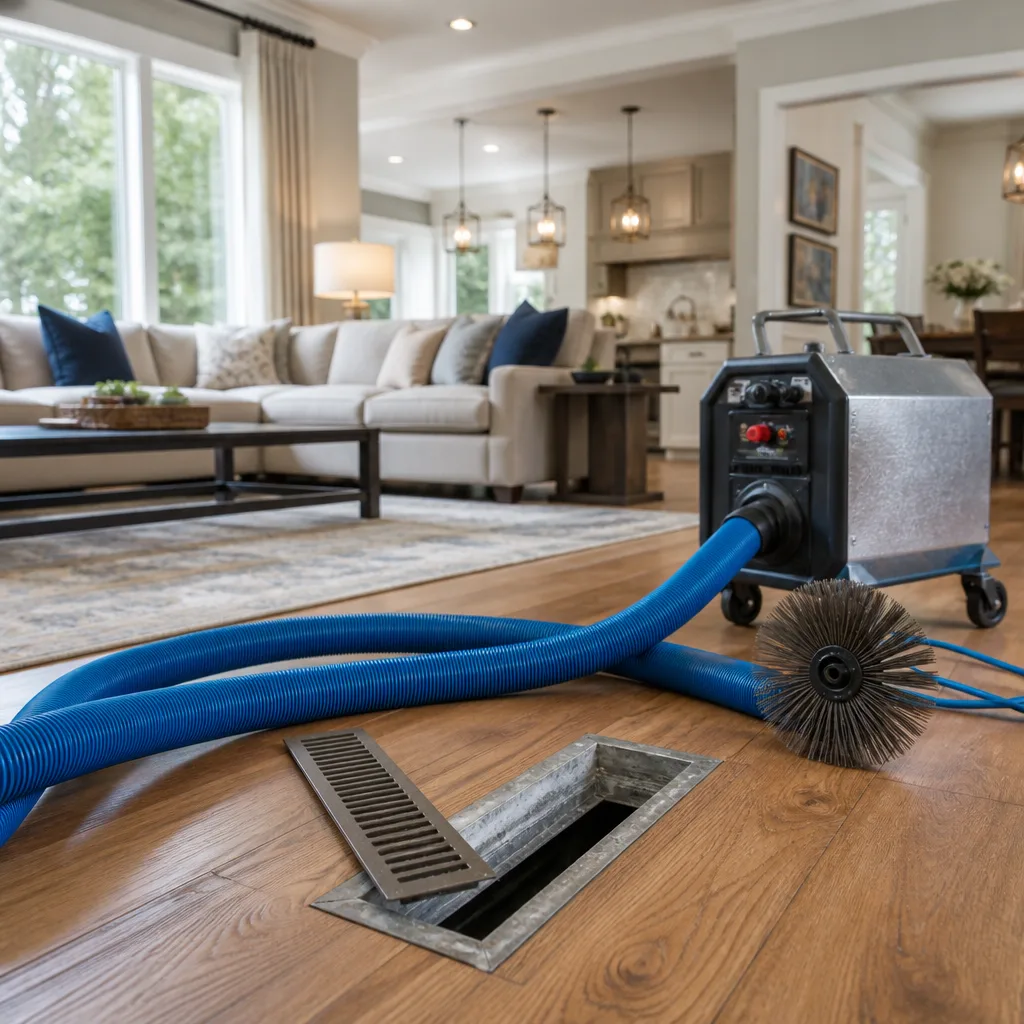
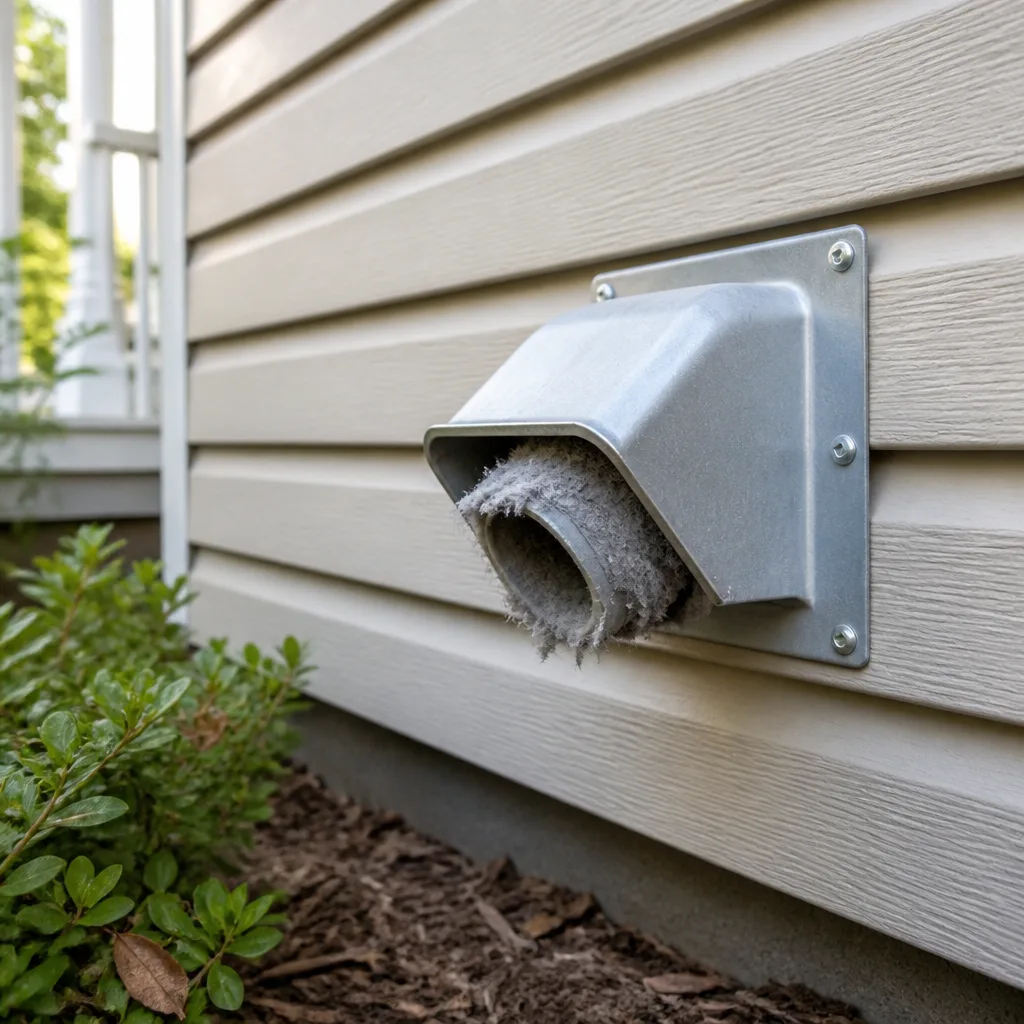 Dryer vent cleaning
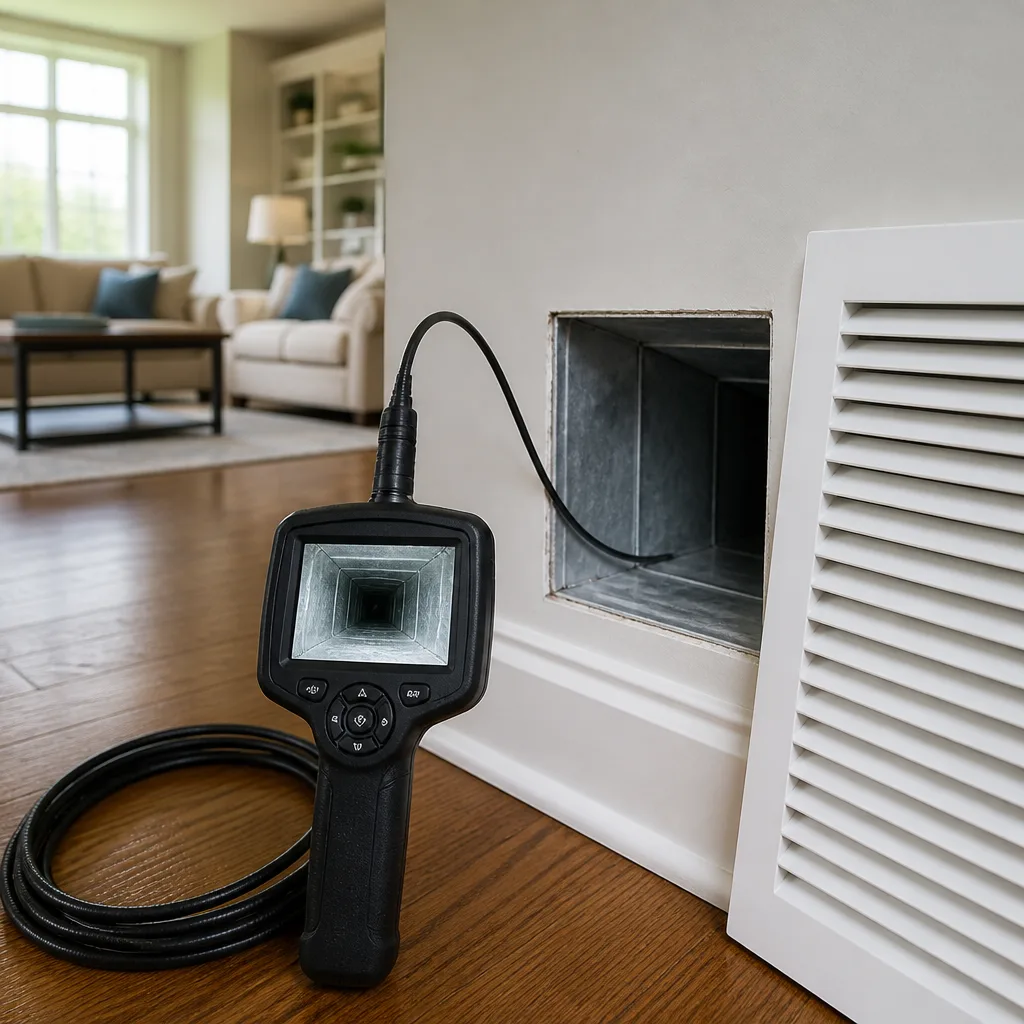 Camera inspection
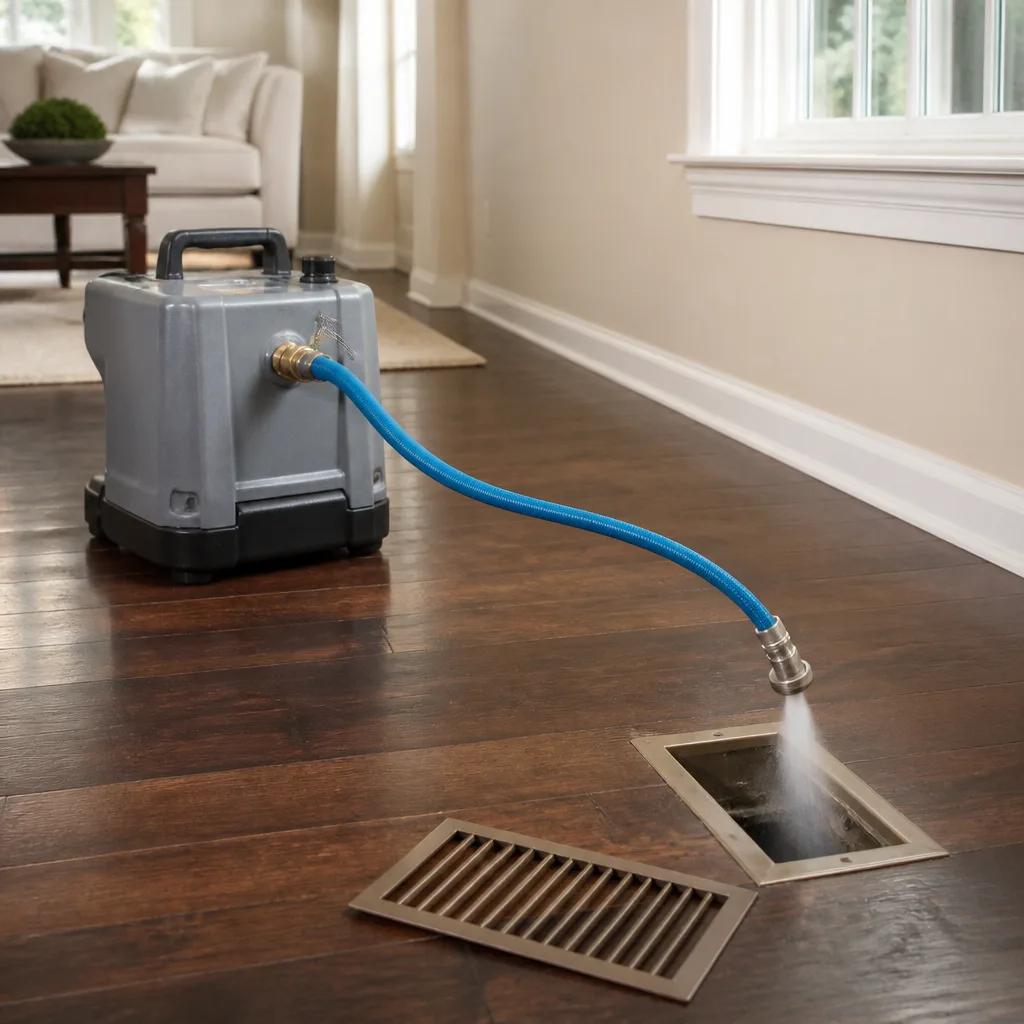 Sanitizing & deodorizing
Whole-system duct and dryer vent check with before-and-after photos - you see exactly what came out of your vents
That "$99 whole-house special" is a bait ad - the real number appears once they are in your hallway, or the "clean" is a shop-vac at the register. We photograph the inside of your ducts before and after instead.
How to Hire an Air Duct Cleaning Contractor in Crabtree: A Step-by-Step Guide
In North Carolina, a person can legally print “air duct cleaning” on a business card the same day they buy a shop vacuum. There’s no state license specific to this trade, so the barrier to entry is mostly the cost of a magnetic sign. That’s the part most homeowners in Crabtree never hear before they book. It means the license check you’d normally do for an electrician or a plumber won’t filter anyone out here. Your questions have to do the filtering instead.
This guide gives you those questions. You’ll learn what to ask about equipment, how to read a quote line by line, what a real pre-job walkthrough looks like, and the red flags that show up around low-cost coupon operators in suburban North Carolina markets. Work through it once and you’ll be able to sort a serious contractor from a surface-level one in about ten minutes.
Quick Answer
To hire an air duct cleaning contractor in Crabtree, ask three things before you book: what vacuum collection unit they use and at what CFM, what agitation method they use inside the ducts, and whether they follow the NADCA ACR standard for source removal. Then compare written quotes line by line. A quote that skips air handler cleaning, sanitization, and a post-job inspection is telling you the job will be surface-level, no matter what the phone price was.
Styles & brands we work with
- Whole-home duct cleaning
- Dryer vent cleaning
- Camera inspection
- Sanitizing & deodorizing
Table of Contents
- Why North Carolina Has No Duct Cleaning License
- The Equipment Questions That Reveal the Real Job
- How to Verify NADCA Membership and ACR Compliance
- How to Read a Duct Cleaning Quote Line by Line
- What a Legitimate Pre-Job Walkthrough Looks Like
- Red Flags Specific to Low-Cost Coupon Operators
- What Crabtree Homes and Climate Add to the Job
- A Step-by-Step Vetting Checklist
Why North Carolina Has No Duct Cleaning License
North Carolina does not issue a license for air duct cleaning. General contractor licensing covers construction and remodeling work, not the cleaning of an existing duct system, so a company can operate legally in Crabtree without holding any trade-specific credential. This isn’t a loophole. It’s simply a service category the state hasn’t chosen to regulate.
What that means in practice is that the burden of due diligence sits with you, and most homeowners don’t know it. They assume a business license and a magnetic sign on a van mean something about technical standards. In this trade, they mostly mean the operator filled out paperwork and bought a vehicle. There’s nothing stopping a crew with a consumer-grade machine from marketing the same service as a company that has invested in commercial equipment.
The upshot isn’t that every unlicensed operator is bad. Plenty of good work is done by companies that simply aren’t required to hold anything. The point is that credentials you’d use elsewhere won’t help you here, so you need to judge the operation directly: what equipment it runs, what the crew actually does in your home, and whether the written scope matches what gets done.
Three useful filters do exist, even without a state license:
- NADCA membership. The National Air Duct Cleaners Association is a trade body that requires members to meet stated standards. It’s voluntary, which makes it a signal of intent.
- ACR standard compliance. The ACR standard defines what a proper source-removal cleaning involves. Ask directly whether they work to it.
- Insurance and bonding. Ask for a certificate of insurance before work starts. A serious operator provides one without hesitation, and a legitimate business carries it as a matter of course.
None of these are government-issued. All three are checkable, and together they filter out most of the market that shouldn’t be in your crawlspace.
The Equipment Questions That Reveal the Real Job
The single most useful thing you can ask a duct cleaning contractor is what vacuum collection unit they’ll bring. The answer separates source removal from surface displacement, and the two are not the same service. Source removal means the debris is captured and taken out of the system. Surface displacement means the dust gets knocked loose, blown around, and often pushed back into the living space or left to settle in the ducts again.
Ask these five questions on the phone, before anyone visits:
- What collection unit do you use, and what CFM does it pull? The vacuum needs enough airflow to keep debris in suspension while the agitation tool disturbs it. A shop-style vacuum doesn’t have the capacity for a whole residential system.
- What agitation method do you use inside the ducts? Rotary brush systems, air whips, and compressed-air skippers all agitate differently. A quick pass with a hand brush isn’t agitation in any meaningful sense.
- Are you pulling negative pressure on the whole system during cleaning? The collection unit should be connected so the duct run is under vacuum while you work. Without that, dislodged debris has nowhere to go but your rooms.
- What do you use to protect indoor air while the job runs? Ask specifically. Some operators will name a filtration or air scrubbing unit; others will pause awkwardly.
- Do you clean the air handler as part of the scope? If the answer is no, the job is incomplete before it begins.
We run Rotobrush rotary brush systems for mechanical cleaning and Nikro HEPA-rated vacuum equipment to capture particles down to 0.3 microns, because that’s the standard commercial restoration crews work to. We also deploy Abatement Technologies air scrubbers on site during the job, so contaminants we dislodge are captured before they can recirculate through the house. Those are the names to listen for when you’re comparing Crabtree contractors. A company that can’t name its equipment is a company that probably hasn’t invested in it.
How to Verify NADCA Membership and ACR Compliance
NADCA membership is the closest thing this trade has to a credential, and it’s checkable. The association maintains a member directory you can search yourself. Ask the company for their membership status, then look it up rather than taking the answer on trust. The directory is the whole point of the membership: it lets a homeowner confirm the claim in about two minutes.
The ACR standard, published by NADCA, is the other piece. It sets out how a source-removal cleaning should be assessed, performed, and verified. The parts that matter most to you as a homeowner are these:
- Assessment before quoting. The standard expects the system to be evaluated before a scope is written, not after the crew arrives.
- Source removal as the objective. Cleaning means removing the contamination, not sealing it in or blowing it downstream.
- Verification after the work. There should be a visual confirmation that the system is clean, and you should be able to see it.
- Component coverage. The scope should name the components being cleaned, not just say “ducts.”
Ask the contractor directly: “Do you work to the NADCA ACR standard, and can you confirm your membership?” You’ll get one of three answers. A confident yes with a directory listing behind it. A vague “we follow industry standards” with no specifics. Or a change of subject. The first is what you want. The second deserves a follow-up question. The third ends the call.
You can also ask whether the company’s technicians are trained on the equipment they run. Our technicians have up to 11 years of experience, and equipment familiarity is the kind of thing that shows up in how a crew talks about a system once they’re standing in front of it. Ask what they expect to find in a house like yours and listen for whether the answer is about duct layout, age of the system, or just about price.
How to Read a Duct Cleaning Quote Line by Line
A written quote tells you the scope before the crew arrives, and the line items it leaves out tell you just as much as the ones it includes. Read it for absences first. If air handler cleaning, sanitization, and post-job inspection aren’t in there, you’re looking at a register-and-run job.
Here’s what a complete scope looks like, itemized:
- Assessment. An on-site evaluation of the system before the scope is written, including the air handler and the accessible duct runs.
- Source removal cleaning of all supply and return ducts. Every run, not just the ones nearest the registers.
- Air handler and coil cleaning. This is the component the air passes through last before it reaches your rooms. Skipping it leaves the contamination source in place.
- Sanitization. An application after mechanical cleaning, not instead of it. Sanitizer applied to a dirty duct does very little.
- Duct repair and sealing where needed. Sealing closes the gaps that let contamination back in and lets conditioned air escape.
- Post-job inspection with photos. You should see before-and-after images of your own system.
- Debris removal. The collected material leaves the property in the collection unit.
Two things to watch for beyond the line items. First, a quote built around a coupon price with add-ons listed separately usually ends higher than a flat per-system quote agreed up front. Second, a quote that prices per vent rather than per system encourages a fast pass over each register instead of proper cleaning of the runs behind them. Ask for one flat price for the whole system, in writing, before work starts.
If the system needs repair or sealing, that should appear in the scope too. Duct repair and sealing addresses energy loss and contamination re-entry, and it’s the piece most cleaning-only operators leave unresolved. You can read more about the full scope on our air duct cleaning page.
What a Legitimate Pre-Job Walkthrough Looks Like
A contractor who quotes over the phone without seeing the system is guessing, and a contractor who arrives and immediately starts selling add-ons has skipped the assessment entirely. A proper walkthrough takes fifteen to twenty minutes and follows a recognizable order.
- They ask what you’ve noticed. Dust buildup, musty odors, uneven airflow between rooms, allergy symptoms that worsen indoors. These symptoms point to specific parts of the system.
- They look at the air handler and the coil. This is where they can tell whether the system has been maintained and how much contamination has accumulated.
- They check accessible duct runs and the connections. Loose joints, disconnected sections, and crushed flex duct all affect how the cleaning should be approached.
- They check the return side. The return is often where the worst buildup sits and where a surface-level operator spends the least time.
- They explain what they found, in plain terms, before talking about price. The order matters. Findings first, then scope, then the written estimate.
What you’re listening for is specificity. A contractor who says “your return trunk has visible debris accumulation near the air handler and the flex connections at two of the supply boots look loose” is describing your house. One who says “it looks pretty bad in there, we recommend the full package” is describing a sales script.
The walkthrough is also where you raise the dryer vent. It’s a separate ventilation pathway with its own fire risk, and it deserves its own line in the quote rather than a mention at the end of the visit. We treat dryer vent cleaning as a named service for exactly that reason. Ask whether it’s included in the assessment, and ask what they check along the full run rather than just at the exterior hood.
Red Flags Specific to Low-Cost Coupon Operators
Suburban North Carolina markets attract a particular kind of duct cleaning operation: a low advertised price that becomes a much larger invoice once the technician is in the house. The pattern is consistent enough that you can spot it before booking. In our experience, these are the tells.
- A price quoted per vent with no system-level scope. Per-vent pricing rewards speed. The work behind the vent is where the job actually happens.
- No equipment questions answered directly. If you ask what vacuum unit they use and the answer circles back to price, they either don’t have the equipment or don’t want you comparing it.
- No written quote before the visit. A legitimate operator puts the scope in writing so you can compare it. Verbal-only pricing leaves the door open for on-site additions.
- Upsells presented before the assessment. Sanitization, sealing, and filtration are real services. Offered before anyone has looked at your system, they’re a sales sequence.
- No post-job inspection offered. If nobody’s planning to show you the result, ask why not.
- Pressure to book on the first call. A contractor with a real schedule can afford to let you compare quotes.
- No verifiable membership or insurance. Ask for a certificate of insurance and a NADCA directory listing. Both are checkable.
One more, and it’s specific to the trade: a company that won’t tell you what happens to the debris. Source removal means material leaves your property in a collection unit. If the answer is vague about where it goes, the cleaning was probably not source removal.
What Crabtree Homes and Climate Add to the Job
Crabtree sits in the Piedmont, and the local climate shapes what accumulates in a duct system here. Summers run hot and humid, which means the air conditioning runs hard for months and the system pulls a lot of moisture through the coil and the ductwork. A coil that stays damp through a long cooling season is a good place for biological growth to take hold, and that growth is one of the reasons musty odors show up in Piedmont homes well before the ducts look visibly dirty.
Winters bring pollen from the pine and hardwood canopy around the region, and spring is the season when outdoor particulate load peaks. A house that runs its system year-round with a basic filter is pulling that material in and depositing it on the coil and the duct surfaces. Add the construction dust that comes with remodeling and new builds in the area, and the accumulated load on a Crabtree system can be considerable even when the registers look fine.
Housing stock matters too. Crabtree includes a mix of older homes with original sheet metal ductwork and newer construction with flex duct runs through unconditioned attic space. Those two systems fail differently. Sheet metal develops seam leaks and disconnected joints over time. Flex duct can sag, crush, or pull loose at the boot, which restricts airflow and lets attic air into the system. A contractor who assesses duct integrity as part of the job will find these; one who cleans and leaves won’t.
This is why the scope matters more than the price. Cleaning a system with disconnected runs and open seams produces a result that doesn’t last, because contamination re-enters through the same gaps within weeks. That’s the argument for sealing the system as part of the same visit. It’s also why we integrate Honeywell and Aprilaire filtration and humidity products: the filtration and the duct integrity work together, and both are better handled in one service window than two. If your HVAC equipment itself hasn’t been cleaned in a while, HVAC cleaning covers the components the airstream passes through.
A Step-by-Step Vetting Checklist
Here’s the sequence, in order, from first search to signed quote. Work through it once per contractor and you’ll have a clear comparison.
- Ask the equipment questions on the phone. Collection unit, CFM, agitation method, negative pressure, air protection during the job. Note the answers.
- Ask about NADCA membership and ACR standard compliance. Then verify the membership in the NADCA directory yourself.
- Request a certificate of insurance. Before any visit, not after.
- Book the walkthrough and watch what happens. Findings before price. Air handler and return side checked. Duct connections checked.
- Get the quote in writing. One flat price per system. Look for air handler cleaning, sanitization, repair and sealing, post-inspection with photos, and debris removal.
- Ask what happens after cleaning. If repair and sealing are in scope, the system stays clean longer. If they aren’t, ask why not.
- Compare two or three quotes on scope, not just on the total. The cheapest quote is often the one that itemized the least.
One question to add at the end of the walkthrough, because it sorts the operators quickly: ask to see before-and-after photos from the job once it’s done, of your own system. A company that plans to document its work has nothing to hide. A company that doesn’t has a reason.
Common Mistakes to Avoid
- Booking on price alone. The lowest phone quote in a Crabtree market is often a starting point, not a total. Compare the written scope before you compare the number.
- Not asking what vacuum unit will be used. Without that question, you can’t tell source removal from surface displacement, and the difference is the entire job.
- Accepting a quote given without a walkthrough. A price quoted over the phone is a guess about a system nobody has looked at, and guesses get revised upward on site.
- Skipping the air handler. Cleaning the ducts while leaving the coil and air handler untouched leaves the largest contamination source in the system. It’s the first place to ask about.
- Ignoring the dryer vent because it isn’t the duct system. It’s a separate ventilation pathway with its own risk profile, and it should be assessed and quoted as its own line item.
- Skipping the insurance check. With no state license covering this trade in North Carolina, insurance is one of the few protections you can actually verify before work begins.
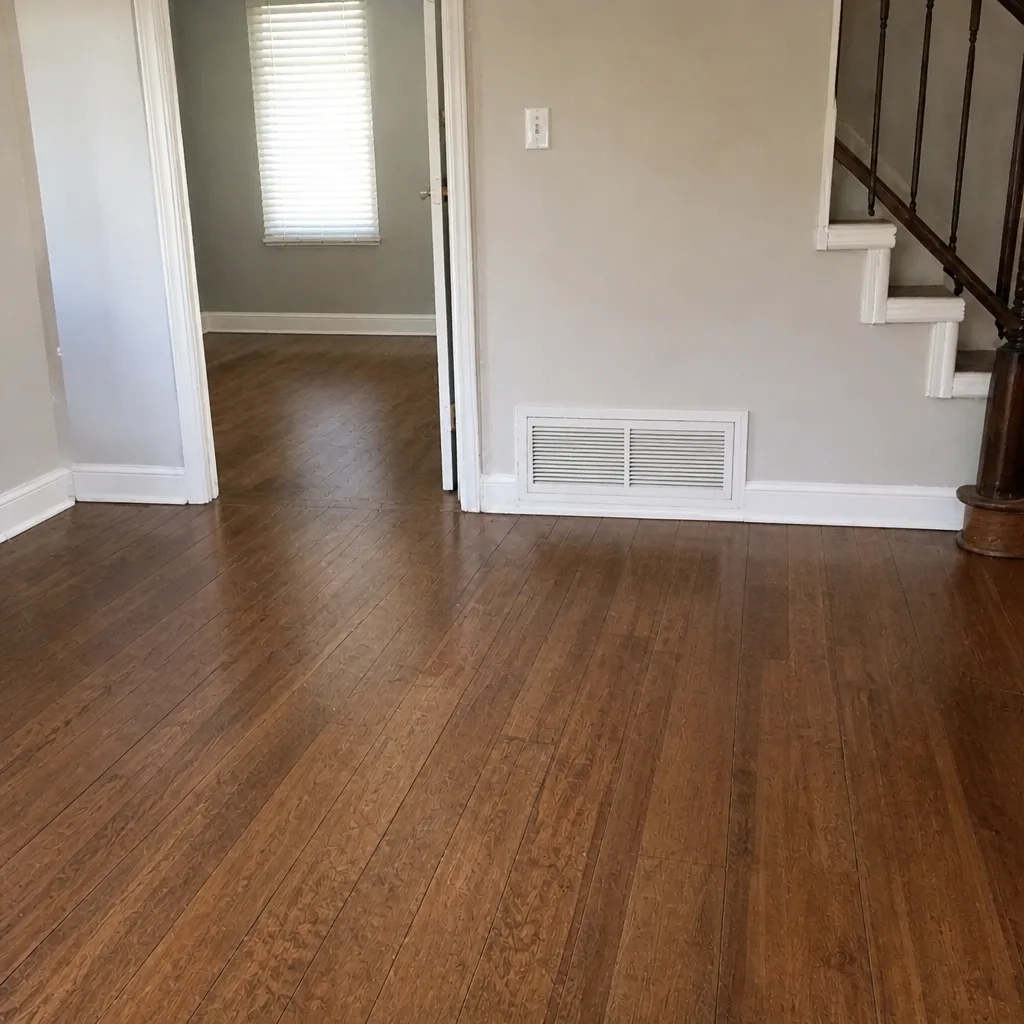
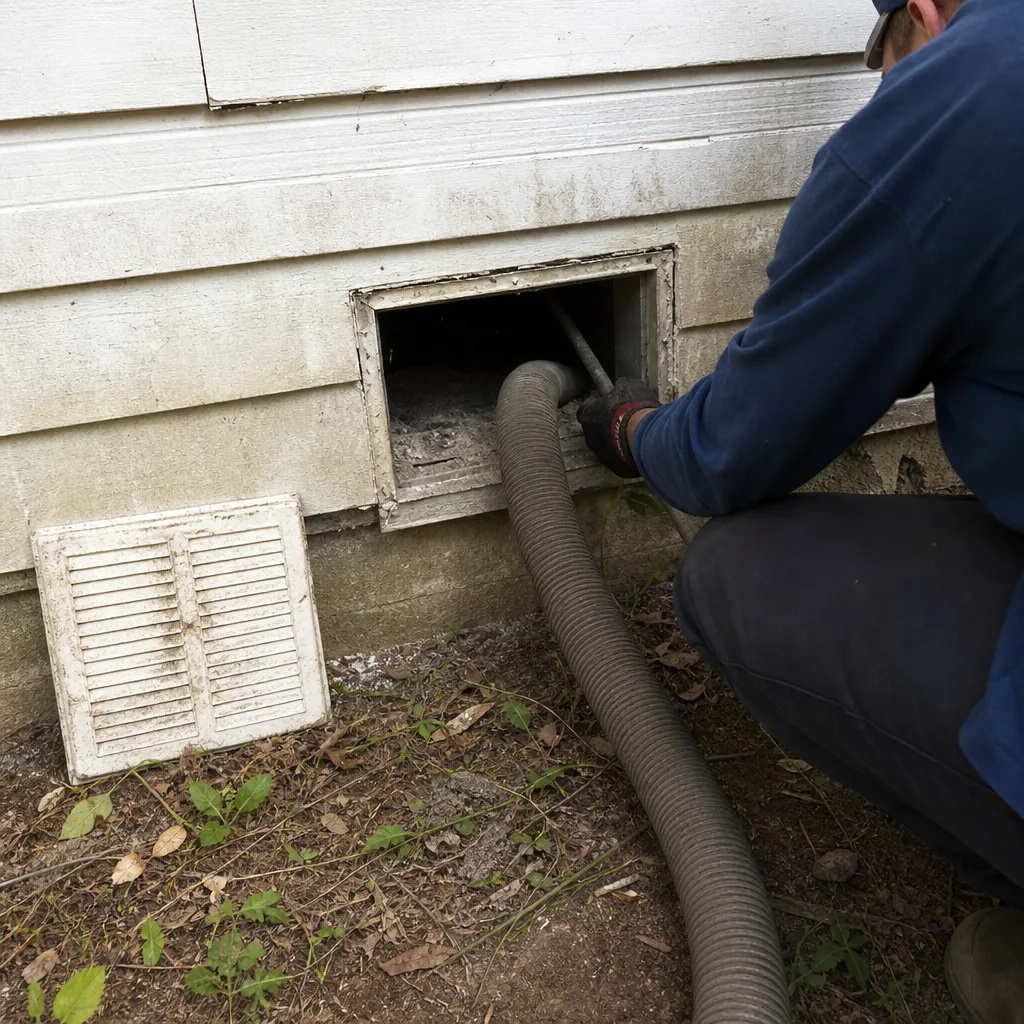
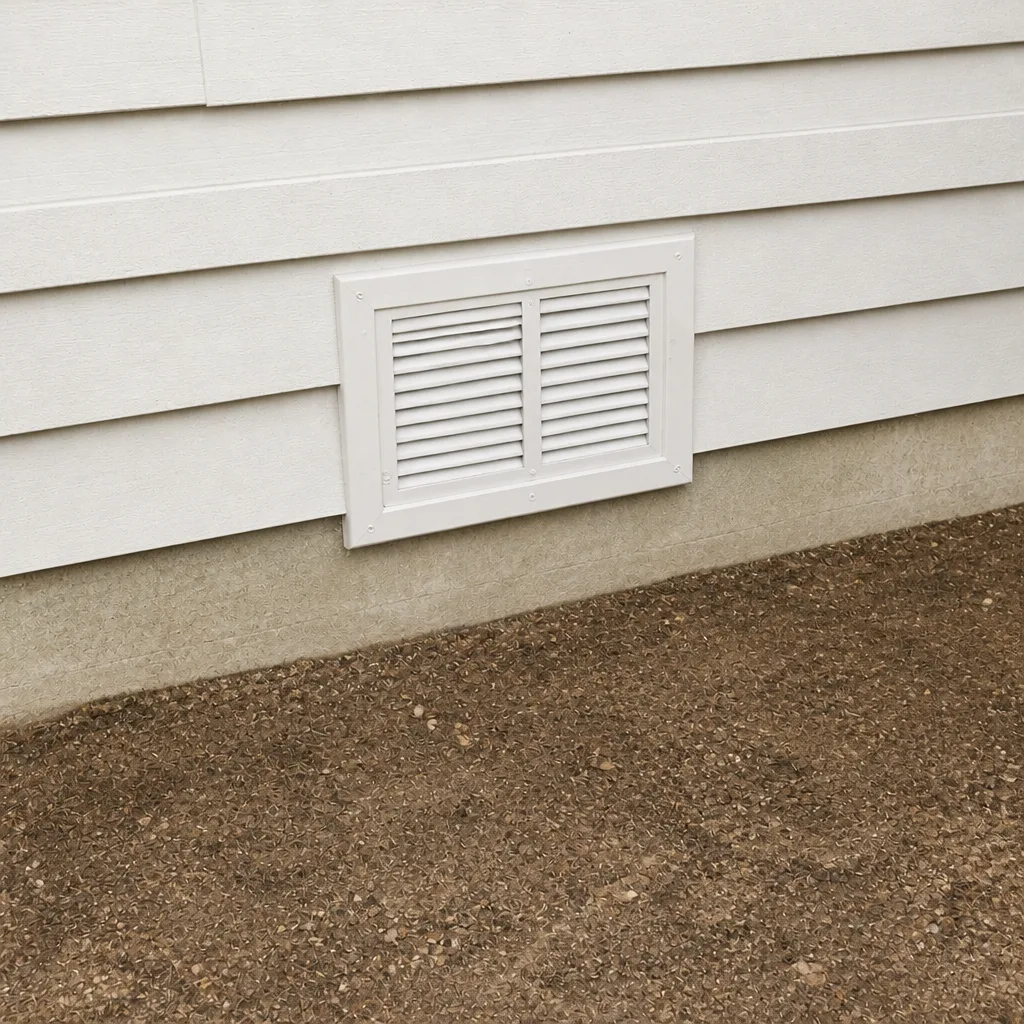
- Not asking for post-job photos. Before-and-after images of your own ducts are the simplest way to confirm the work described is the work performed.
See the difference
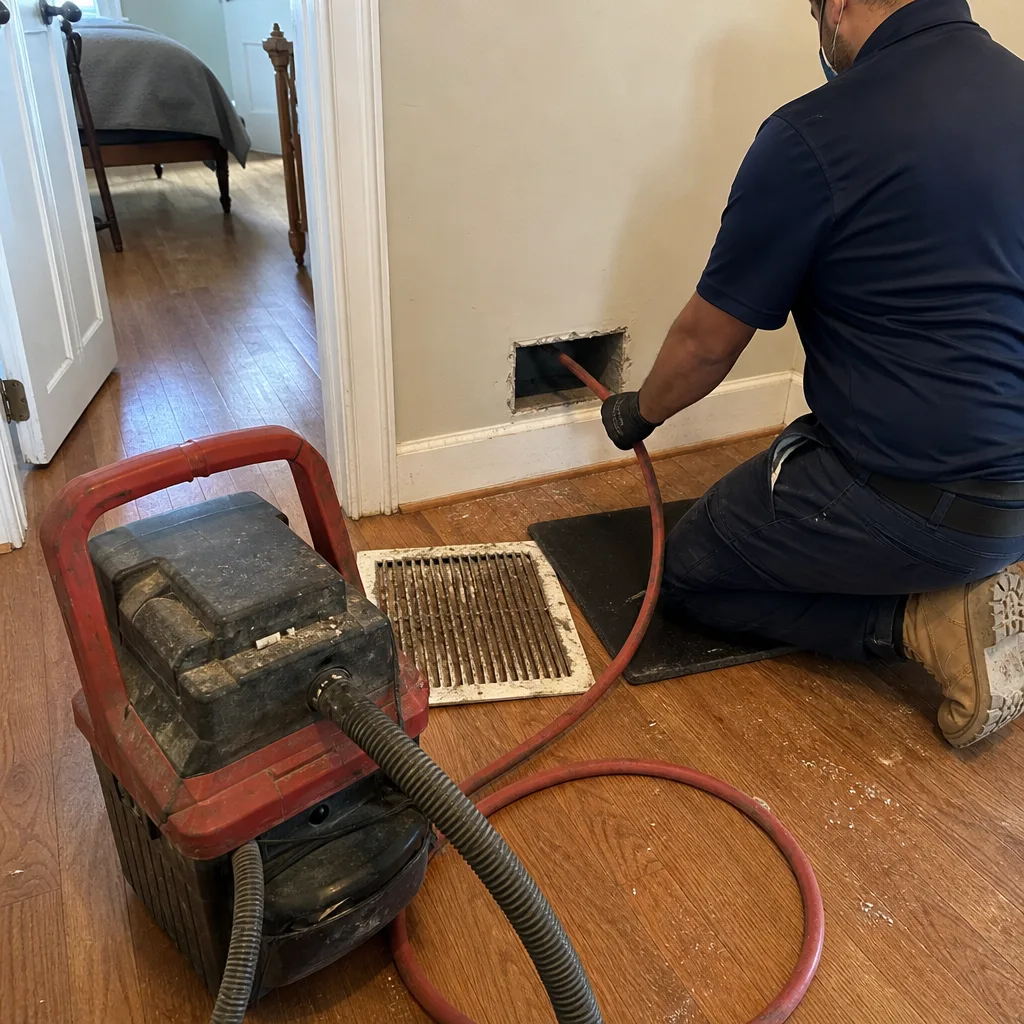 Before
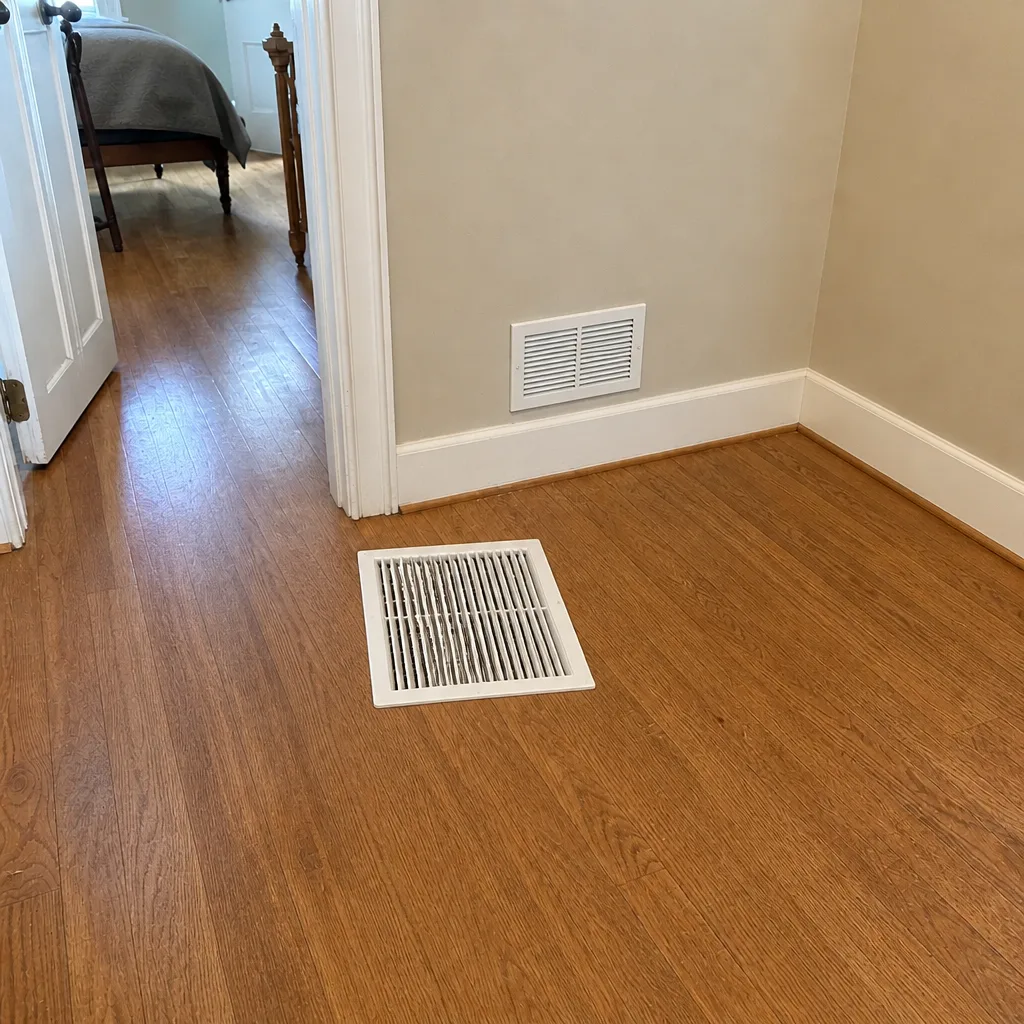 After
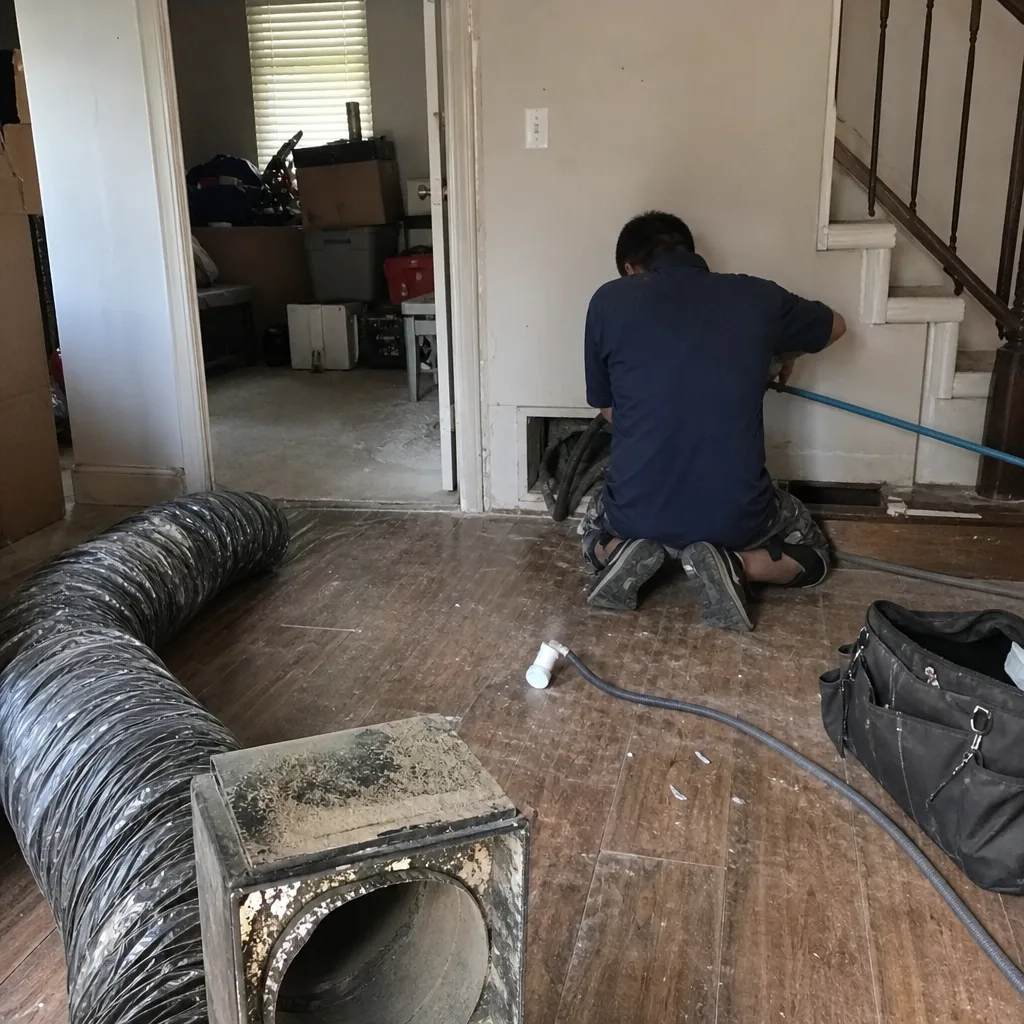 Before
 After
 Before
 After
When to Call a Professional
Some symptoms in a Crabtree home point to the duct system directly, and cleaning isn’t a task to work through on your own. Call a professional if you notice musty or stale odors when the system starts up, visible dust buildup on the registers or a film on the horizontal surfaces shortly after cleaning, uneven airflow between rooms, or allergy symptoms that get worse indoors and ease when you’re away. The same applies after remodeling or a major renovation, when construction dust has been pulled through the return, and after any pest activity in the ductwork.
Dryer vents are their own case. If clothes take longer than they used to or the exterior vent flap doesn’t open fully when the dryer runs, the vent needs attention before it becomes a fire risk. That’s not a job to improvise with a shop vacuum.
Air Duct Cleaning Crabtree offers free estimates in Crabtree – call (833) 509-5534. We answer 24/7. Fast dispatch from 7am to 7pm, Sunday through Friday.
Frequently Asked Questions
Duct cleaning here is priced per system by written estimate, and the total depends on the number of runs, the condition of the air handler, and whether repair or sealing is needed. We won’t quote a per-vent number, because per-vent pricing encourages a fast pass rather than cleaning the runs. Call (833) 509-5534 for an exact quote. We answer 24/7, and estimates are free.
A much cheaper quote usually covers a much smaller scope: registers and short accessible runs, no air handler cleaning, no sanitization, no post-inspection. The two quotes aren’t for the same job. Ask each contractor to itemize the scope, then compare line by line. Call (833) 509-5534 and we’ll walk you through what our scope includes before you book anything.
Ask for before-and-after photos of your own system, and watch the collection unit. Source removal means debris leaves the property in a vacuum collection unit, and a crew that captured it can show you what came out. Ask what the post-inspection includes before the work starts. Call (833) 509-5534 for an exact quote on your system.
No, because North Carolina doesn’t issue a license for air duct cleaning. Instead, ask for a certificate of insurance, verify NADCA membership in the directory, and ask whether the contractor works to the ACR standard. Those three checks replace the license check you’d do in another trade. Call (833) 509-5534 with any questions about what we provide.
Most Crabtree homes don’t need it on a fixed schedule. The triggers are what matter: a renovation, pest activity, visible buildup at the registers, musty odors on startup, or a system that’s never been cleaned. If the ducts have been sealed and repairs done, the interval gets longer. Call (833) 509-5534 and we’ll tell you honestly whether the system needs it.
A shop vacuum moves a small volume of air and has no way to keep a whole duct run under negative pressure. We use Rotobrush rotary brush systems for mechanical agitation and Nikro HEPA-rated vacuum to capture particles down to 0.3 microns, plus Abatement Technologies air scrubbers on site during the job. Call (833) 509-5534 for an exact quote.
The Bottom Line
North Carolina leaves duct cleaning unregulated, so the questions you ask are the only real filter. Ask what vacuum collection unit and CFM a contractor brings, what agitation method they use, and whether the system runs under negative pressure during cleaning. Verify NADCA membership and ask about ACR compliance. Read the quote for absences: air handler cleaning, sanitization, repair and sealing, post-inspection with photos. Watch the walkthrough for findings before price. Then ask for before-and-after photos of your own ducts.
Do that and you’ll hire the contractor who does source removal, not the one who blows dust around your Crabtree home and calls it done.
Get a Written Scope for Your Crabtree Home
Air Duct Cleaning Crabtree provides Air Duct Cleaning Crabtree services across the full ventilation system: air ducts, dryer vents, HVAC units, sanitizing, and duct repair and sealing. We run Rotobrush and Nikro equipment, deploy Abatement Technologies air scrubbers during the job, and can integrate Honeywell and Aprilaire filtration in the same visit. One flat price per system, agreed in writing before work starts, with before-and-after photos of your own ducts when we’re finished.
Call (833) 509-5534 for a free estimate. We answer 24/7. Fast dispatch from 7am to 7pm, Sunday through Friday.
Written by the team at Air Duct Cleaning Crabtree.