
Last updated November 23, 2026
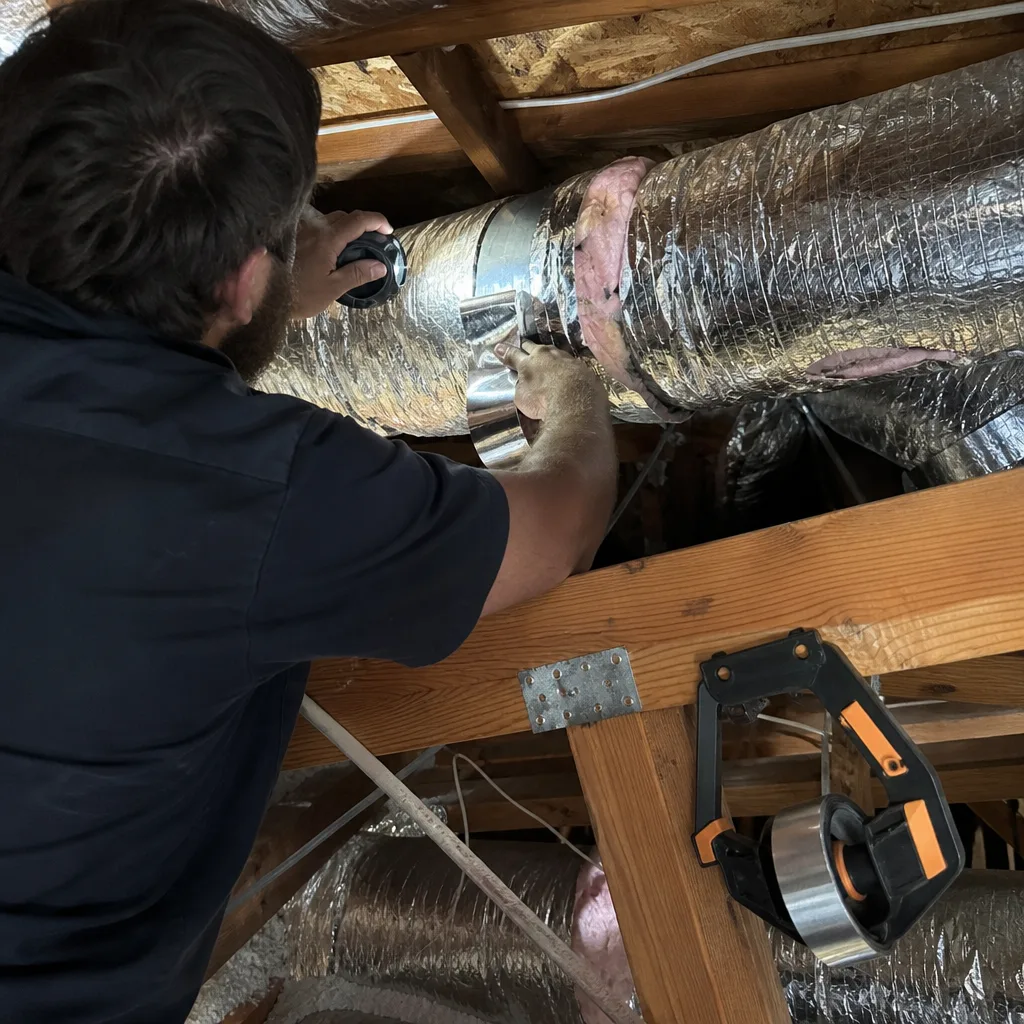
 Whole-home duct cleaning
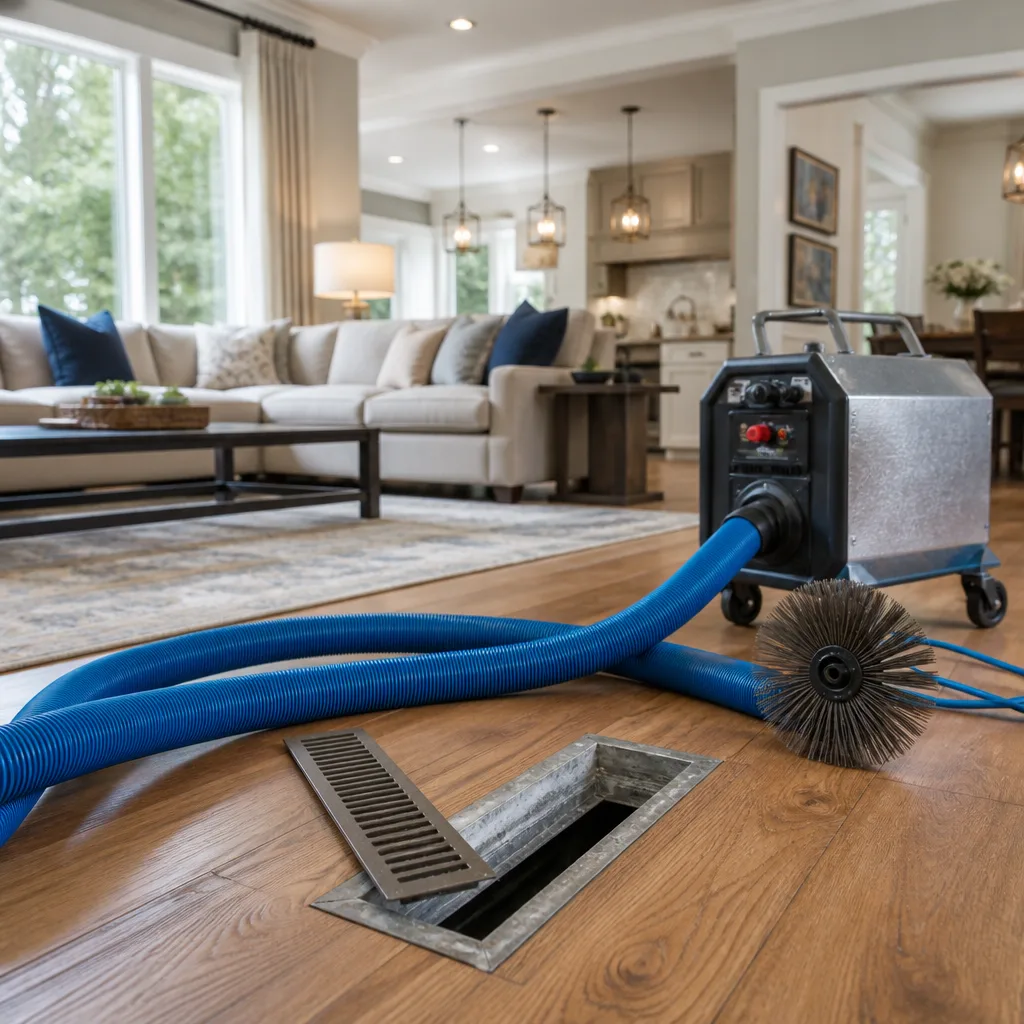
 Dryer vent cleaning
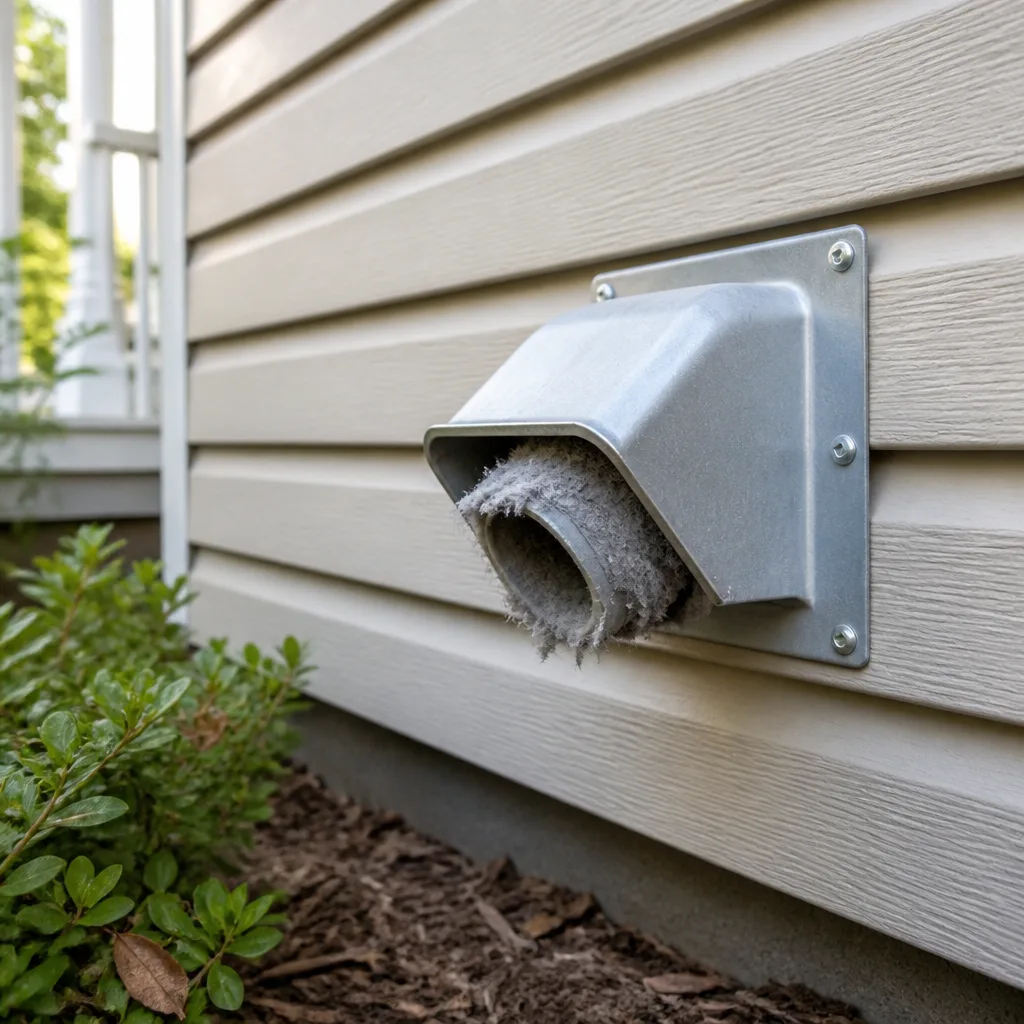
 Camera inspection
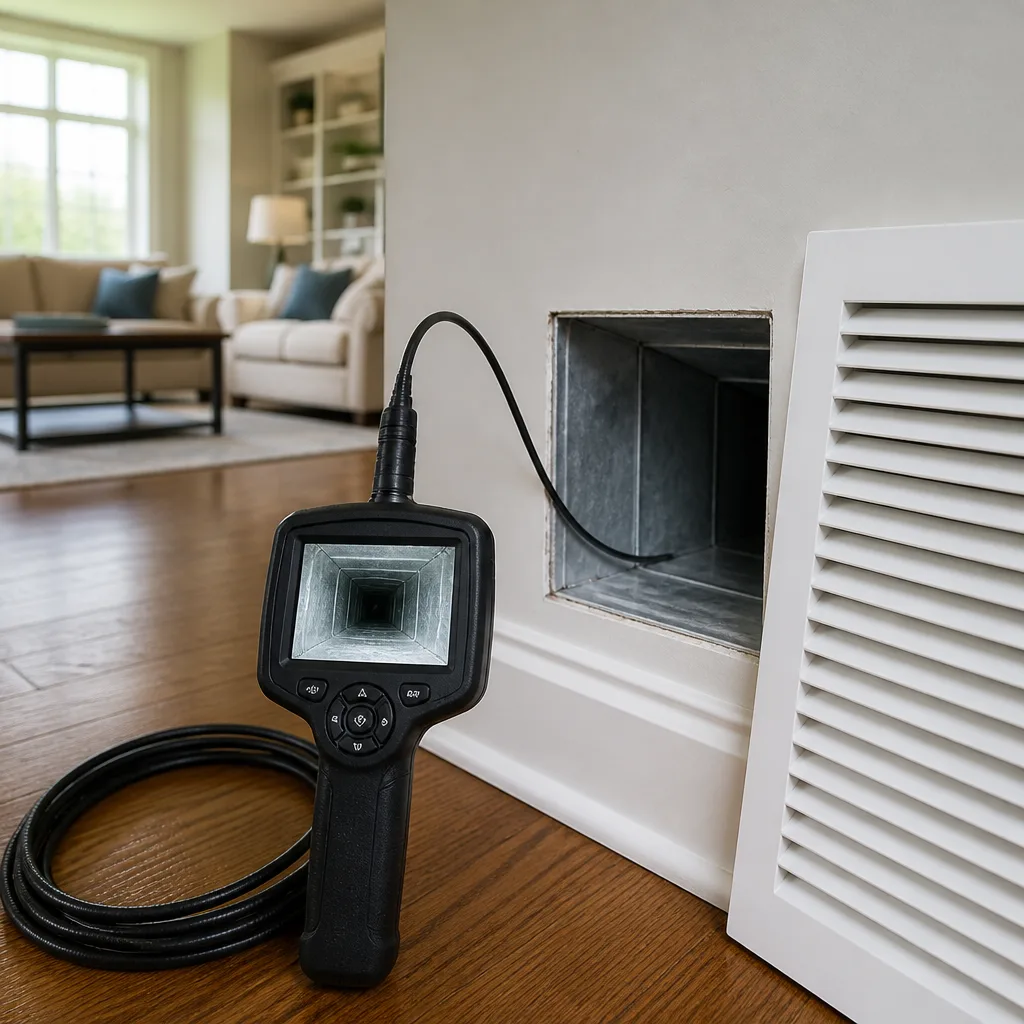
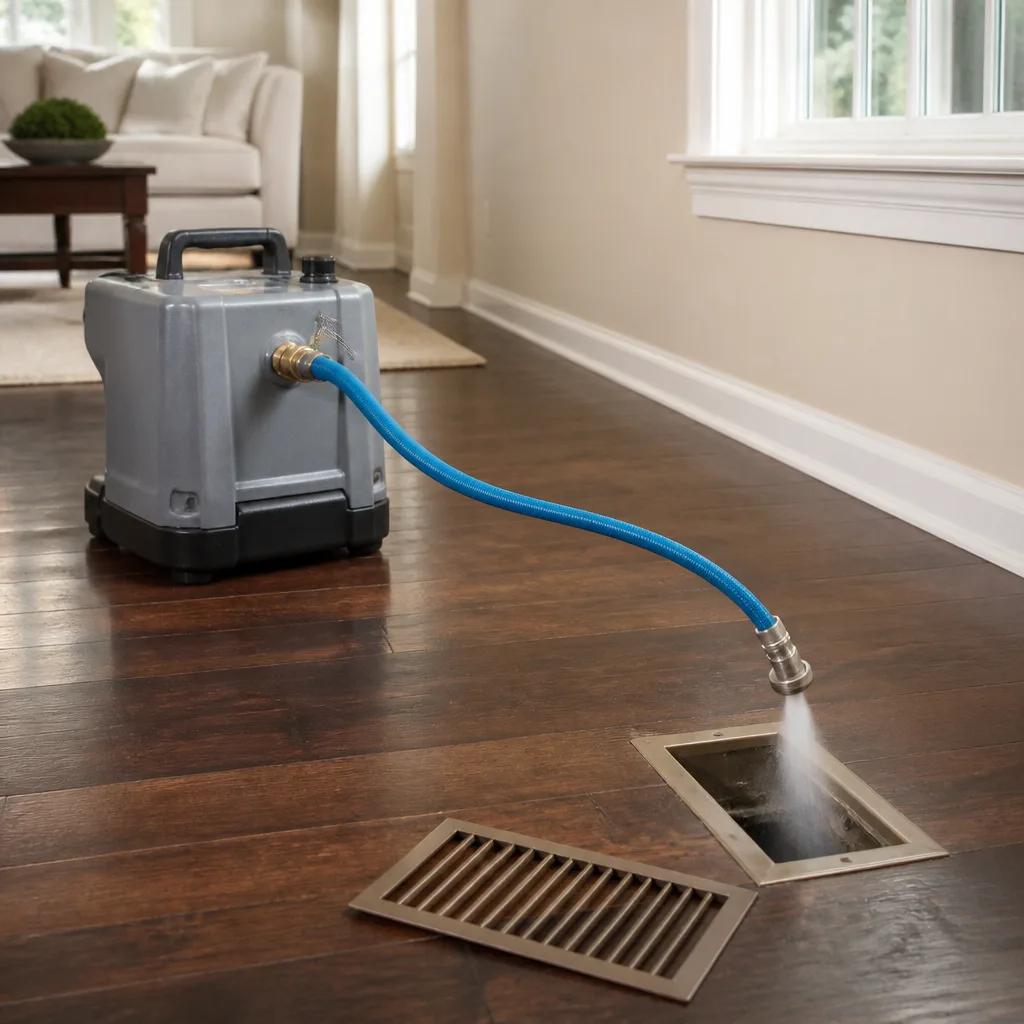 Sanitizing & deodorizing
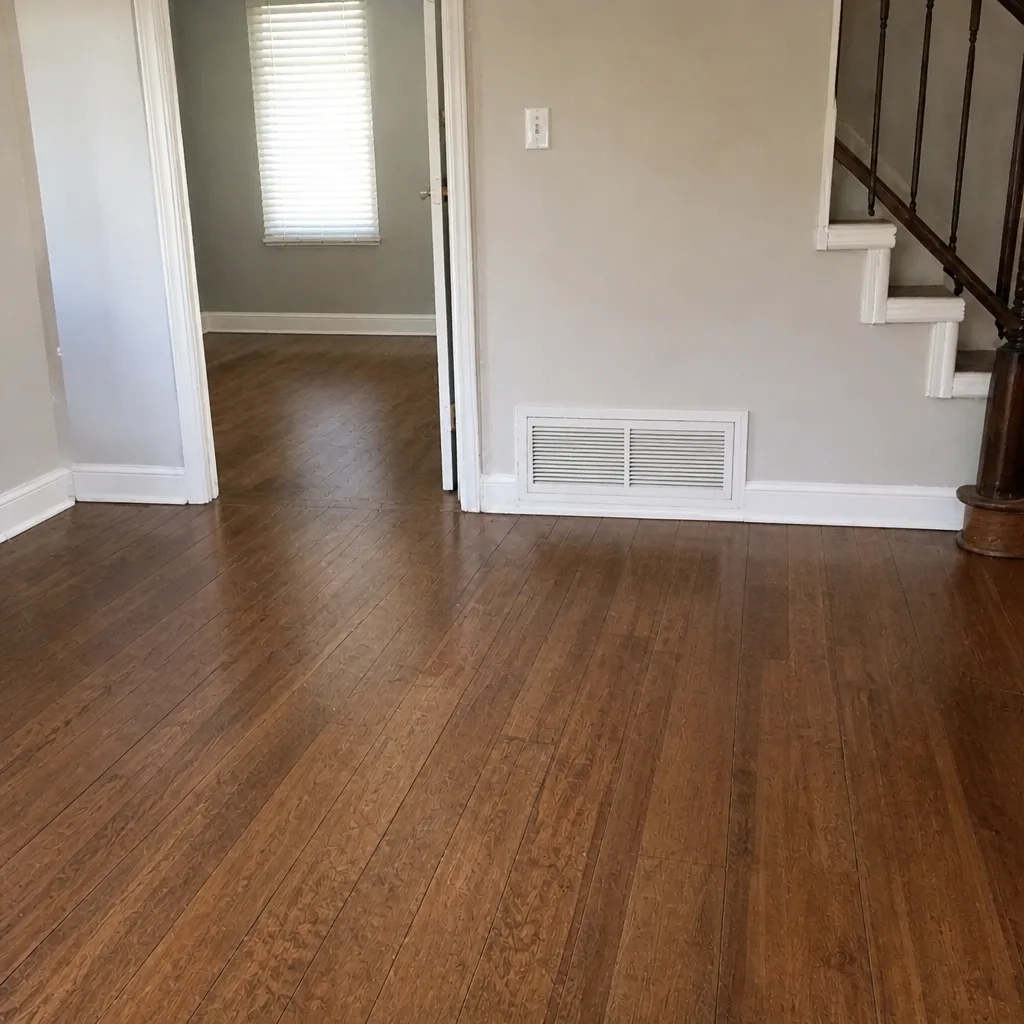
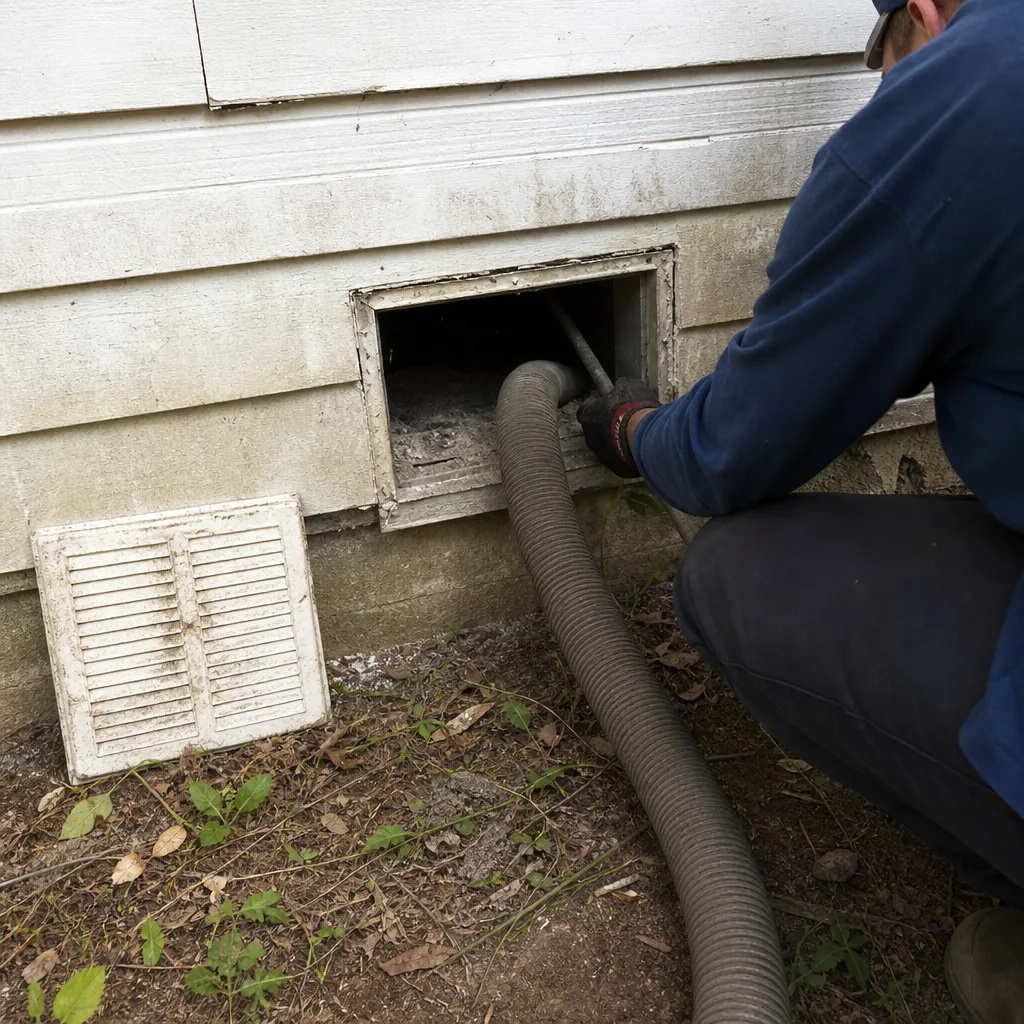
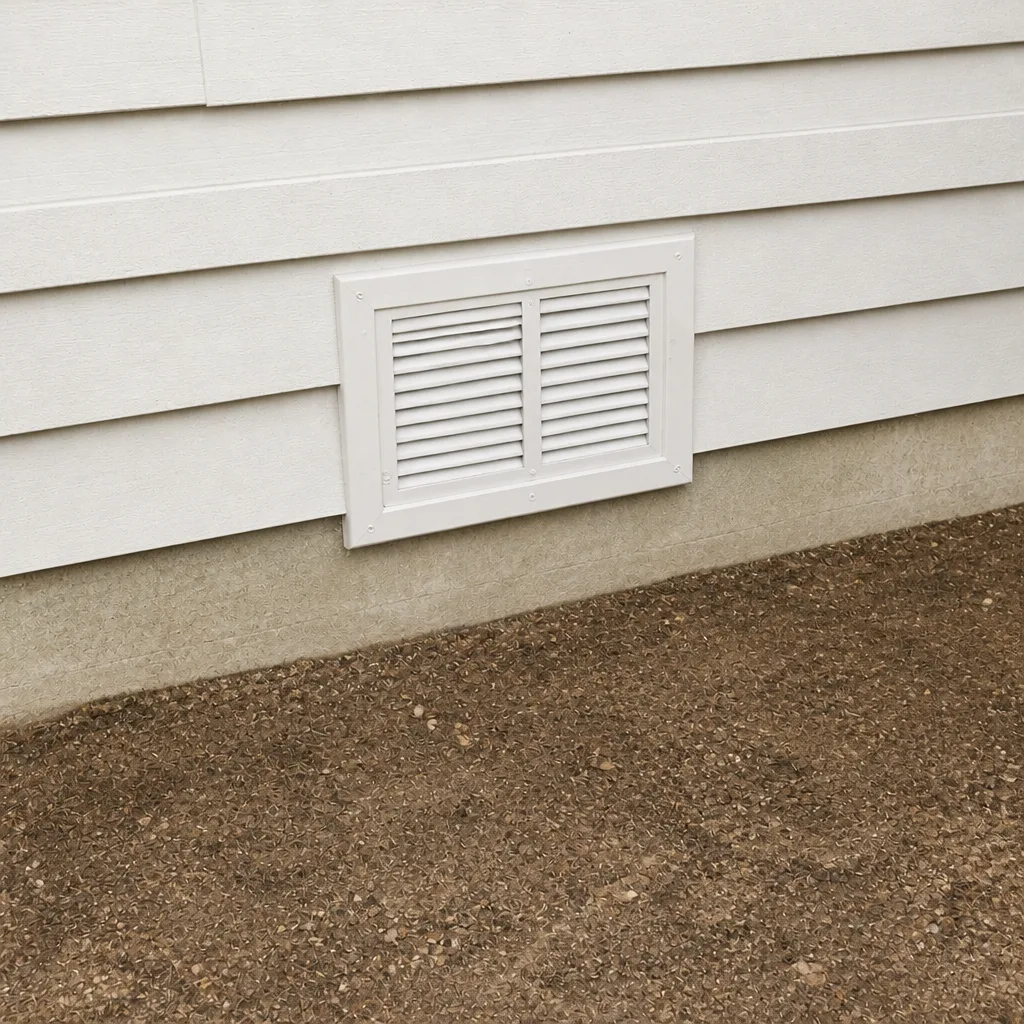
Whole-system duct and dryer vent check with before-and-after photos - you see exactly what came out of your vents
That "$99 whole-house special" is a bait ad - the real number appears once they are in your hallway, or the "clean" is a shop-vac at the register. We photograph the inside of your ducts before and after instead.
Seasonal Air Duct Cleaning Care for Crabtree: Year-Round Homeowner’s Guide
Most homeowners in Crabtree schedule duct cleaning in the fall, when the system switches to heating and the house starts to feel stale. The problem is that fall is usually the wrong window. The heaviest biological load inside return ductwork builds in the two weeks after the spring pollen peak, right when the system flips from heating to cooling and starts pulling warm, humid outdoor air through a plenum that was dry all winter. By the time October arrives, that material has been cycling through the house for months. This guide maps the four seasonal stress patterns that affect ductwork and HVAC systems in Crabtree, what to watch during each transition, and how to build a rolling twelve-month log so the right intervention becomes obvious without a fixed annual schedule.
Quick Answer
The right time to clean air ducts in Crabtree depends on what the system is doing, not what month it is. The highest-risk window is the spring pollen-to-humidity transition, when return plenums collect biological material faster than at any other point in the year. Summer condensate and duct liner moisture, fall mode-switch contamination, and winter filter loading each call for a different response. Track the system across all four and you’ll know when cleaning, sanitizing, or sealing is actually due.
Styles & brands we work with
- Whole-home duct cleaning
- Dryer vent cleaning
- Camera inspection
- Sanitizing & deodorizing
Table of Contents
- Why Crabtree’s Climate Creates Four Distinct Duct Seasons
- Spring: The Pollen-to-Humidity Transition
- Summer: Cooling Load, Condensate, and Liner Moisture
- Fall: The Pre-Heating-Season Checklist
- Winter: Closed-House Particulate Concentration
- Building Your Rolling 12-Month Duct Log
- What Full-Pathway Service Actually Covers
- Common Mistakes to Avoid
Why Crabtree’s Climate Creates Four Distinct Duct Seasons
Crabtree sits in a part of North Carolina where the seasons don’t just change temperature. They change the entire behavior of the air handling system. Spring brings a heavy pollen load followed quickly by rising humidity. Summer holds that humidity in place for months. Fall snaps the system from cooling to heating, often within a single week. Winter shuts the house up tight, and the same interior air recirculates with very little fresh exchange.
Each of those transitions stresses ductwork in a different way, and each one leaves behind a different kind of residue. If you clean once a year on a fixed schedule, you’re almost always cleaning the wrong material. Fall cleaning removes summer dust, but it misses the biological growth that started in April. Spring cleaning removes pollen, but it doesn’t address the condensate moisture that builds in July.
We’ve seen this pattern play out across Crabtree homes for years. The systems that stay cleanest aren’t the ones cleaned most often. They’re the ones cleaned at the right moment, with the specific contaminant in mind. That’s the whole premise of seasonal care, and it’s why we treat indoor air quality as a year-round discipline rather than a single appointment.
The four stress patterns at a glance
- Spring: pollen surge plus rising humidity drives biological growth in return plenums.
- Summer: peak cooling load produces condensate, and any moisture trapped against duct liner stays wet.
- Fall: the mode switch seals in whatever accumulated over summer unless you clear it first.
- Winter: reduced ventilation concentrates particulates and accelerates filter loading.
Understanding those four patterns is the foundation of any real seasonal plan. The rest of this guide walks through each one, then shows you how to log them so the right call becomes obvious.
Spring: The Pollen-to-Humidity Transition
The two weeks after Crabtree’s spring pollen peak are the single most important window on the duct calendar. Here’s why. All winter, the heating system has been pulling dry air through return ducts. The plenum surfaces stay relatively dry. Then pollen season hits, and fine particulate coats the return-side duct walls. A few weeks later, humidity climbs as the system switches to cooling, and warm moist air begins moving through that same dust-coated plenum. Pollen is organic material. Add moisture and warmth, and it becomes a food source for biological growth.
Return plenums are where this matters most because that’s the low-pressure side of the system. Air is being drawn in, which means the plenum is the first thing the return air touches and the last thing it leaves. Dust and pollen don’t sit evenly across the duct run. They concentrate at the plenum, at the transitions, and at the register boots. That’s exactly where growth gets a foothold.
What to watch in Crabtree during this window:
- A musty or “wet basement” smell from registers when the AC first kicks on.
- Visible dark speckling on the supply-side diffusers or the grille faces.
- Allergy symptoms that get worse indoors than outdoors as spring progresses.
- A sudden jump in the dust settling on horizontal surfaces near the return.
If you notice any of these, a mechanical cleaning with a Rotobrush rotary brush system is the correct response. The rotary action agitates the duct wall and lifts the material so the HEPA vacuum can capture it, rather than just loosening it into the airstream. Our air duct cleaning service is built around that method because it’s the only approach that removes adhered biological material from return duct surfaces.
The mistake most homeowners make is treating spring as a “check the filter” season. Filters are important, but they don’t touch the plenum. Spring is the cleaning season.
Summer: Cooling Load, Condensate, and Liner Moisture
Once Crabtree’s summer humidity locks in, the cooling system runs almost continuously. That creates two distinct moisture problems that don’t show up on a filter check. The first is condensate drainage. A cooling coil pulls moisture out of the air, and that moisture has to go somewhere. When the drain pan, the primary drain line, or the secondary drain is slow or partially blocked, water can stand in the pan and wick into nearby ductwork. The second is duct liner moisture. Lined duct, especially in unconditioned spaces like attics or crawlspaces, will absorb moisture if the liner is damaged or if the interior stays below the dew point.
Neither problem is visible from the register. Both show up as smell and as system behavior.
Watch for these in Crabtree during peak cooling season:
- Cooling that runs constantly but never quite reaches the set point.
- A damp, closed-in smell that gets stronger when the system runs longer.
- Water stains or rust at the base of the air handler or near the drain pan.
- Duct liner that’s peeling, sagging, or visibly wet where you can see it.
If you catch moisture early, the fix is often simple: clear the drain, dry the affected duct section, and sanitize the interior surfaces it touched. If the liner has been saturated for weeks, it usually needs removal and replacement rather than cleaning. We can seal and repair ductwork damaged by moisture, which addresses both the contamination and the air loss that comes with a compromised duct seam.
Summer isn’t the hardest season for duct cleaning. It’s the hardest season for duct integrity. If your system is losing air through a wet or failed section, no amount of cleaning will fix the problem. That’s why our HVAC cleaning service includes a full inspection of the air handler, coil, and drain, not just the duct runs.
One more thing worth knowing: the Abatement Technologies air scrubbers we deploy during a summer service are doing real work in a humid house. They capture airborne particulate before it recirculates, which keeps the cleaning process from spreading mold spores or liner debris through the interior while we’re working.
Fall: The Pre-Heating-Season Checklist
The system switch from cooling to heating in Crabtree is fast, and it seals in whatever’s inside the ducts. That’s the core problem with fall neglect. The system runs all summer pulling humid air through the return. When you flip to heat, that same plenum now moves warm dry air, and any biological material or liner debris from summer gets baked into the duct surfaces and carried into every room within a few days.
Fall isn’t the best cleaning season, but it’s the right season for a thorough inspection and for anything summer left unresolved. Here’s the checklist we recommend before the first heating cycle:
- Inspect the return plenum and register boots for visible dark spots or liner damage.
- Check the condensate pan and drain one last time and confirm it’s dry and clear.
- Look for condensation stains on the duct jacket near the air handler and any exposed runs in the attic or crawlspace.
- Evaluate filter type and placement against the system’s rated capacity. If you’ve been running high-MERV filters all summer to catch pollen, confirm the blower is handling them without reduced airflow.
- Note any odor, airflow weakness, or dust pattern that hasn’t resolved since spring.
- Decide on filtration upgrades before heating season, since the filter that suits cooling isn’t always the filter that suits heating.
That last point is where Honeywell and Aprilaire products come in. Adding a higher-capacity media filter or a humidity control component before heating season means the system enters winter with proper filtration already in place, and it happens within the same service visit rather than as a separate project. If you’re not sure which option fits your air handler, ask us during the estimate.
Fall is also when we see a lot of “skip it this year” decisions. Those decisions usually cost more than the cleaning would have, because the system spends all winter circulating what fall left behind.
Winter: Closed-House Particulate Concentration
Winter changes the math on indoor air. Windows stay closed. Doors stay closed. The house exchange rate with outdoor air drops to its lowest point of the year. That means every particulate the system produces or recirculates stays in the interior longer and gets filtered less by fresh air exchange. It also means filter loading accelerates, because the filter is now handling the entire load alone.
In Crabtree’s winter conditions, the practical effect is this: filter life compresses, dust accumulates faster, and any contamination that made it into the ducts in spring or fall gets redistributed through the house daily. This is the season when homeowners notice “high dust” most, and it’s also the season when they’re least likely to schedule a cleaning, because the system appears to be running fine.
The winter response isn’t necessarily a full cleaning. It’s monitoring and filter discipline. Specifically:
- Check the filter every 30 days during heavy heating months and replace on schedule rather than on feel.
- Note the dust pattern on the return grille. If it’s uniformly dark, the filter is working. If it’s dark at the edges and light in the center, air is bypassing rather than passing through.
- Watch for signs of over-filtering: reduced airflow, longer runtimes, or cool spots near the registers.
- Pay attention to a musty smell at startup. Winter startup odor is a strong indicator that something in the duct is activating as warm air hits it.
If the winter pattern shows that the ducts are the source of your dust and odor, we’d recommend scheduling the cleaning for late winter or early spring, so the system goes into pollen season clean rather than entering it already loaded. That sequencing matters more than the cleaning itself. We’ve seen it make the difference between a duct system that stays clean for years and one that has to be redone every fall.
Dryer vent cleaning belongs in the winter checklist too. The long wet cycles of fall and winter mean the dryer runs more often, and lint accumulation in the vent line is a year-round fire risk that gets worse as the dryer works harder. Our dryer vent cleaning service is scheduled as its own dedicated visit for that reason, not tacked onto a duct job.
Building Your Rolling 12-Month Duct Log
A fixed annual cleaning schedule is easy to keep and hard to justify. It assumes every year is the same, and in Crabtree they aren’t. A wet spring, a mild summer, and a late heating season all change the load on your ducts. The better approach is a rolling log that tracks what the system is actually doing, then flags the intervention points rather than the calendar dates.
Here’s a simple log structure that takes about five minutes a month:
- Date and season of every observation. Don’t just say “spring”, note the week, because the two-week pollen window matters.
- Filter condition at check: light dust, medium, or heavy. Note the color and location of any dust concentration.
- Odor observation at system startup: none, faint, or noticeable. Describe the smell (musty, dusty, chemical).
- Airflow notes: any room that has weaker supply than the others, or any register that feels warmer or cooler than the rest.
- Moisture observation: any condensation, water stain, or damp smell near the air handler or in the duct runs you can see.
- Dust accumulation on a specific surface (a shelf, a windowsill, a ceiling fan). Use the same surface each month for comparability.
- Action taken: filter replaced, system serviced, cleaning scheduled. Include the date so the log cycles correctly.
After twelve months you’ll be able to read the log as a pattern rather than isolated events. Two consecutive months of rising dust plus a musty startup odor in spring tells you a cleaning is due in the pollen window. A single low-airflow room that shows up only in summer tells you the issue is elsewhere. A moisture observation in July tells you the duct needs inspection before heating season, regardless of what the calendar says.
The log also makes the annual decision easy: you clean when the system shows a pattern, not because a company scheduled you. That’s the difference between care and maintenance.
What Full-Pathway Service Actually Covers
Seasonal care only works if the service itself covers the whole air pathway. A cleaning that touches only the visible registers leaves the plenum, the transitions, and the air handler untouched. Then the next seasonal transition distributes the uncleaned material back through the system, and you’re paying for a cosmetic job.
Full-pathway service addresses the air pathway in this order:
- Source-side inspection: return plenum, register boots, transitions, and the air handler cabinet, checking for contamination, liner damage, and moisture.
- Mechanical agitation: a Rotobrush rotary brush system works the duct walls to lift adhered material, rather than just sweeping the surface.
- HEPA capture: a Nikro HEPA-rated vacuum, capturing particles down to 0.3 microns at the working end of the system, so dislodged material leaves the duct instead of recirculating through the house.
- Air scrubbing during the job: Abatement Technologies air scrubbers deployed on-site to filter the interior air while we work.
- Sanitizing: application to the cleaned duct interior to address biological material the mechanical cleaning lifts.
- Repair and sealing: sealing compromised seams, joints, and any failed duct sections so the system doesn’t leak air or re-entrain contaminants.
- Filtration upgrade: Honeywell or Aprilaire products added to the system where the filter arrangement was undersized for the home.
The repair and sealing step is the one most duct cleaners skip. Without it, the cleaning is undone within a season because a leaking duct pulls attic or crawlspace air straight back into the system. If you want to know whether your home needs the full pathway or just a cleaning, start with the Air Duct Cleaning Crabtree overview, which walks through what each service covers.
Our technicians have up to 11 years of experience with these systems, and the equipment we use is the same equipment commercial restoration contractors rely on. That matters in a seasonal context because commercial-grade capture is what allows a cleaning to happen at the right time without spreading contamination through the house.
Common Mistakes to Avoid
- Cleaning in fall because it’s convenient. Fall cleaning removes summer residue but misses the biological material that started in the spring window. Match the cleaning to the season’s dominant stressor, not the schedule’s convenience.
- Treating filters as a substitute for duct cleaning. A filter captures what passes through it. It does nothing for contamination that’s already adhered to the return plenum or the liner. Filter discipline is one part of seasonal care, not the whole of it.
- Skipping inspection of the air handler. In Crabtree’s humid summers, the coil and drain pan are where moisture problems start. A cleaning that stops at the duct runs can miss the actual contamination source.
- Ignoring a faint musty odor at startup. That smell is one of the earliest indicators of biological growth, and it’s much easier to address in spring than after a full summer of moisture cycling.
- Letting a dryer vent wait until the dryer “feels slow”. Lint buildup in the vent line is a fire risk that doesn’t announce itself. Schedule the vent cleaning as a dedicated service, separate from duct cleaning, and watch the log for signs it’s due.
- Leaving the ducts unsealed after cleaning. Without repair and sealing, the ducts pull air from unconditioned spaces and re-contaminate within a season. Sealing is what keeps the cleaning effective.
- Assuming commercial-grade equipment is overkill. Consumer vacuums and drain-snake attachments can’t capture fine particles or lift adhered material. If the equipment doesn’t agitate and HEPA-capture at the source, it’s not a cleaning in any meaningful sense.
See the difference
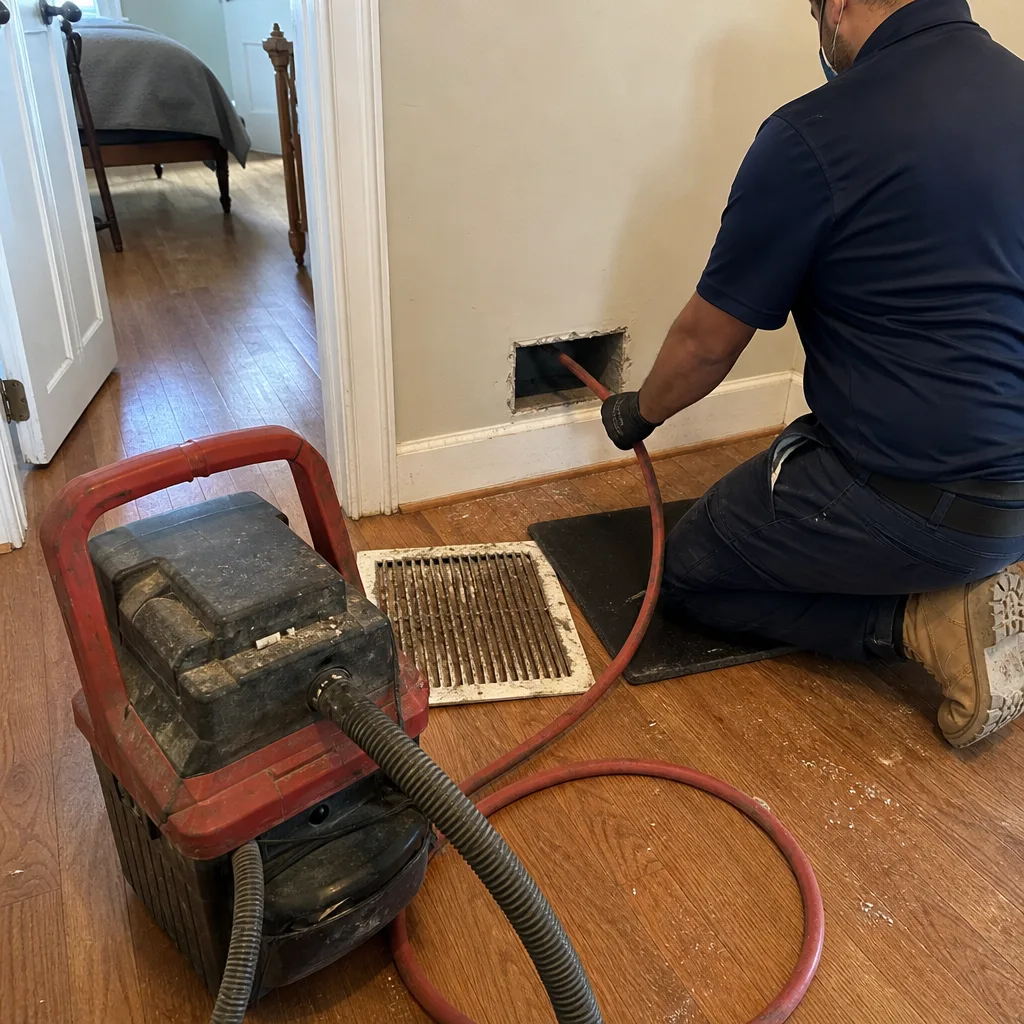 Before
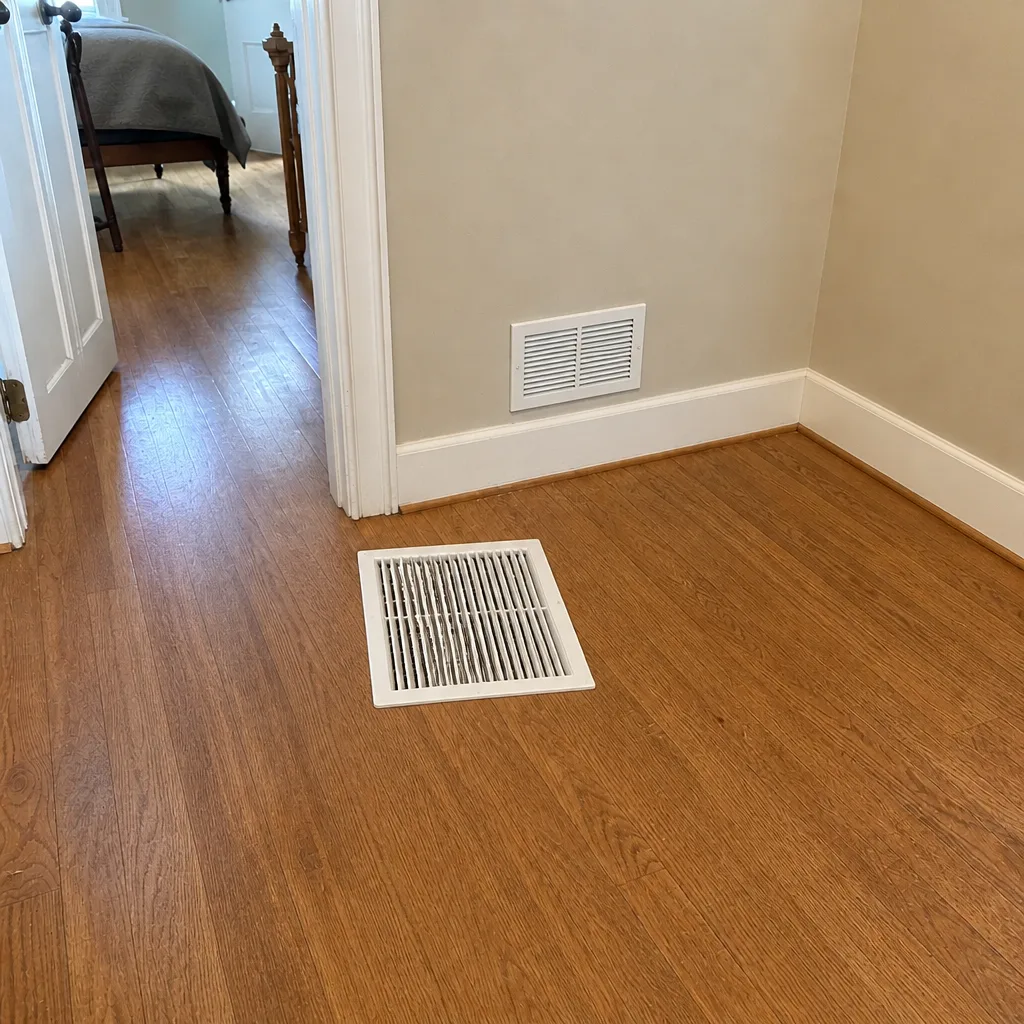 After
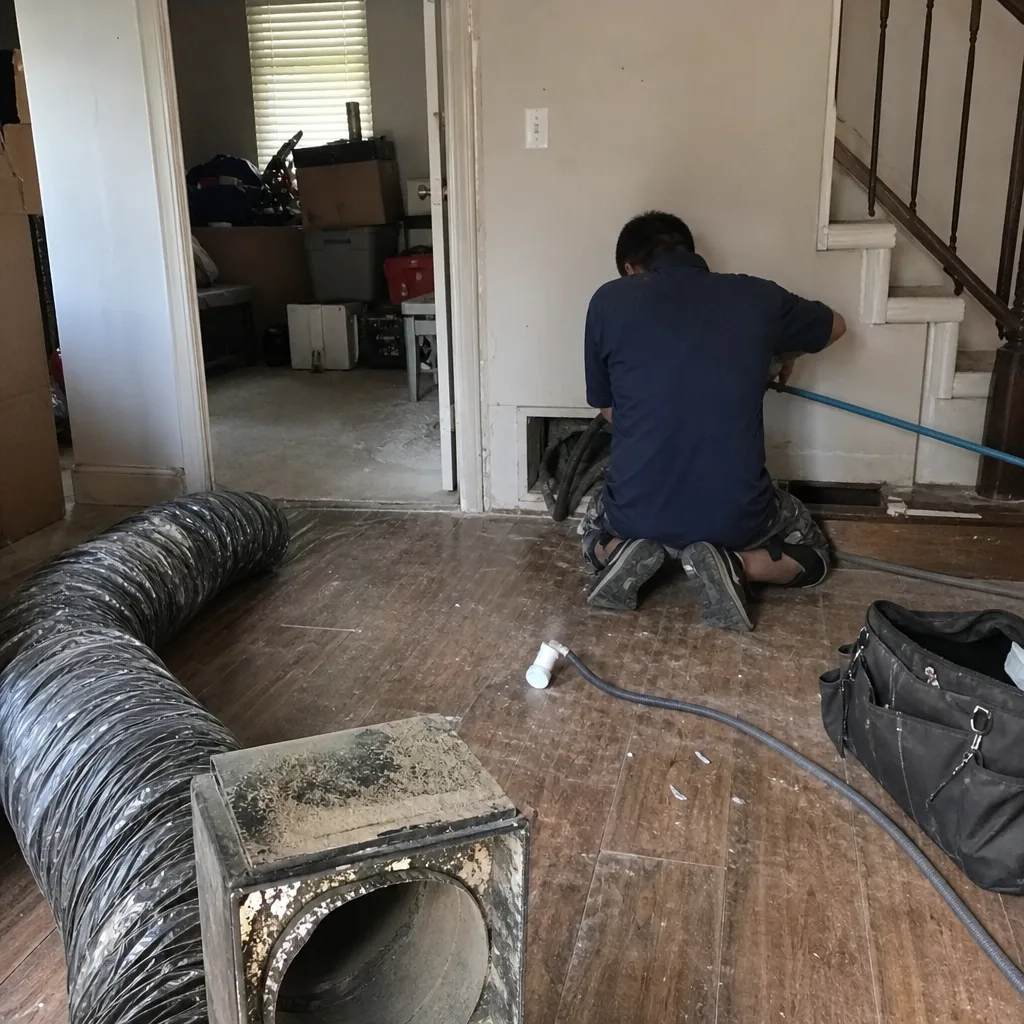 Before
 After
 Before
 After
When to Call a Professional
Seasonal care is something you can track on your own. The response to a specific pattern usually isn’t. Call a professional when the log shows two or more consecutive months of rising dust, when you notice a musty smell that gets stronger at system startup, when any duct section shows moisture or liner damage, when the system struggles to reach set point, or when the air filter is loading faster than the schedule can keep up. Those are the signals that a cleaning, sanitizing, or repair is actually due, and they can all be addressed during a single visit with the right equipment.
Air Duct Cleaning Crabtree offers free estimates in Crabtree – call (833) 509-5534. We answer 24/7. Fast dispatch from 7am to 7pm, Sunday through Friday. The estimate is free and the price is set per job by the written estimate, so you know the cost before any work starts.
Frequently Asked Questions
For most Crabtree homes, once every two to three years aligns with the seasonal pattern, but the right answer depends on the log. If you have pets, allergy symptoms in the household, or a system with liner damage, cleaning more often is reasonable. Call (833) 509-5534 for an exact quote based on your system – estimates are free.
The best month is usually mid-to-late spring, right after the pollen peak and just before the summer cooling load arrives. That timing removes the pollen and biological material before the humid summer can feed it. If you missed the spring window, late winter is the next best option so the system goes into pollen season clean.
Cheap quotes usually reflect a surface-only cleaning, often with a single vacuum and no duct-wall agitation, sometimes without any HEPA capture at all. That approach dislodges dust but doesn’t remove what’s adhered to the duct wall, and it can recirculate particles through the house during the job. Our pricing reflects mechanical agitation, HEPA capture, air scrubbing during service, sanitizing, and repair/sealing as part of the scope. Call (833) 509-5534 to see what your system actually needs – estimates are free.
Ask for before-and-after photos of your own ducts, and ask what equipment is being used. Our service includes photos of the duct interiors before and after cleaning, and we name the specific equipment (Rotobrush, Nikro, Abatement Technologies) so you can verify it against what you’re paying for. Call (833) 509-5534 to schedule an estimate.
No. It means you clean at the right time instead of the convenient time. A household following the log usually cleans less often overall, because each cleaning addresses a specific contaminant instead of repeating the same surface work annually. Call (833) 509-5534 to talk through your log with us – estimates are free.
No. Dryer vent cleaning is a separate service with a separate scope, and folding it into a duct visit means neither gets the attention it needs. Lint accumulation in the vent line is a fire risk that doesn’t show up in the duct log, so it should be treated as its own dedicated service. Call (833) 509-5534 to schedule it.
The Bottom Line
Seasonal air duct cleaning in Crabtree works best when you stop treating it as an annual appointment and start tracking what the system is actually doing. The spring pollen-to-humidity window is the highest-risk period for biological growth in return plenums. Summer stresses duct integrity through condensate and liner moisture. Fall is for inspection and clearing what summer left behind, not for the cleaning itself. Winter concentrates particulates and accelerates filter loading in a closed house. A rolling twelve-month log turns those four patterns into clear signals, so you know when a cleaning, sanitizing, or sealing is actually due. The right time to clean is when the system tells you it is, not when the calendar does.
If you want a second opinion on where your system stands right now, call (833) 509-5534 for a free estimate. We answer 24/7. Fast dispatch from 7am to 7pm, Sunday through Friday. We’ll walk the system with you, compare it to what your log shows, and let you know whether this is a cleaning season or a monitoring season.
Written by the team at Air Duct Cleaning Crabtree.