
Last updated November 23, 2026
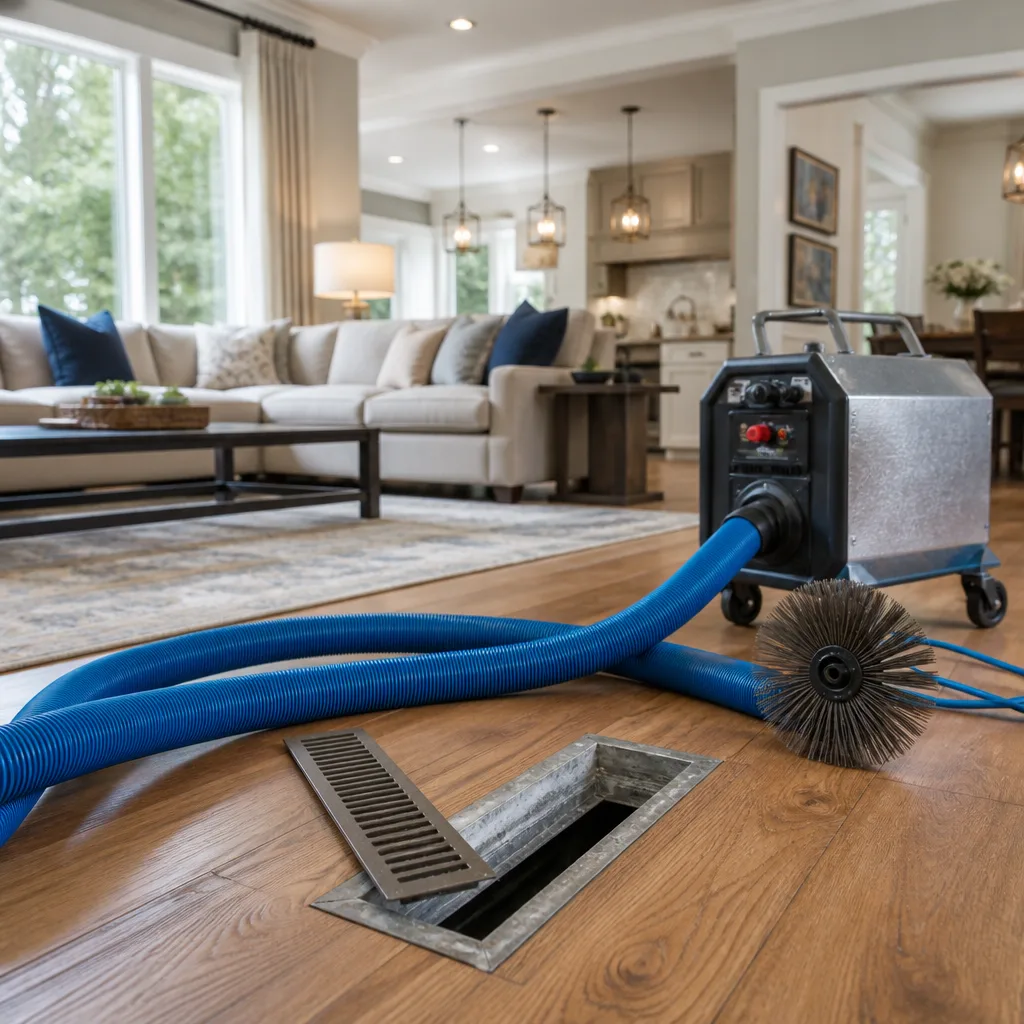 Whole-home duct cleaning
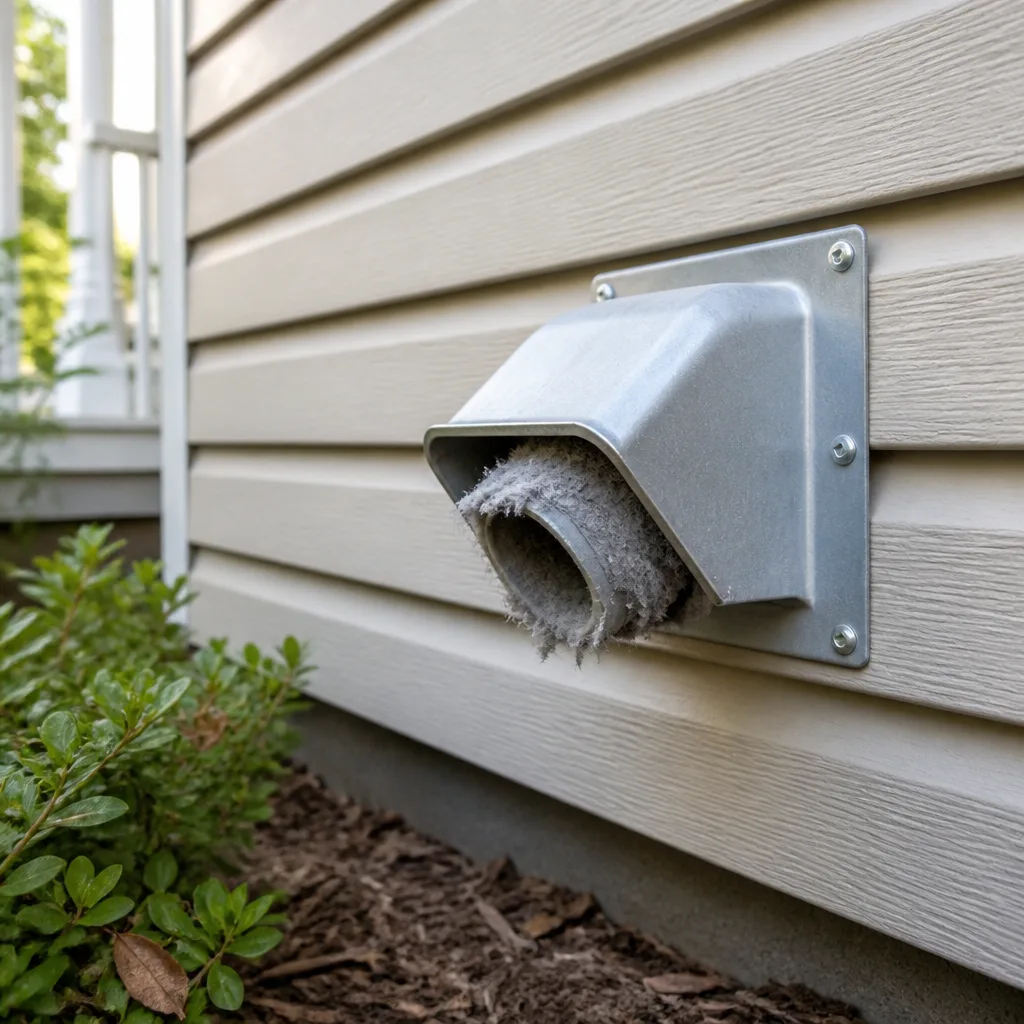 Dryer vent cleaning
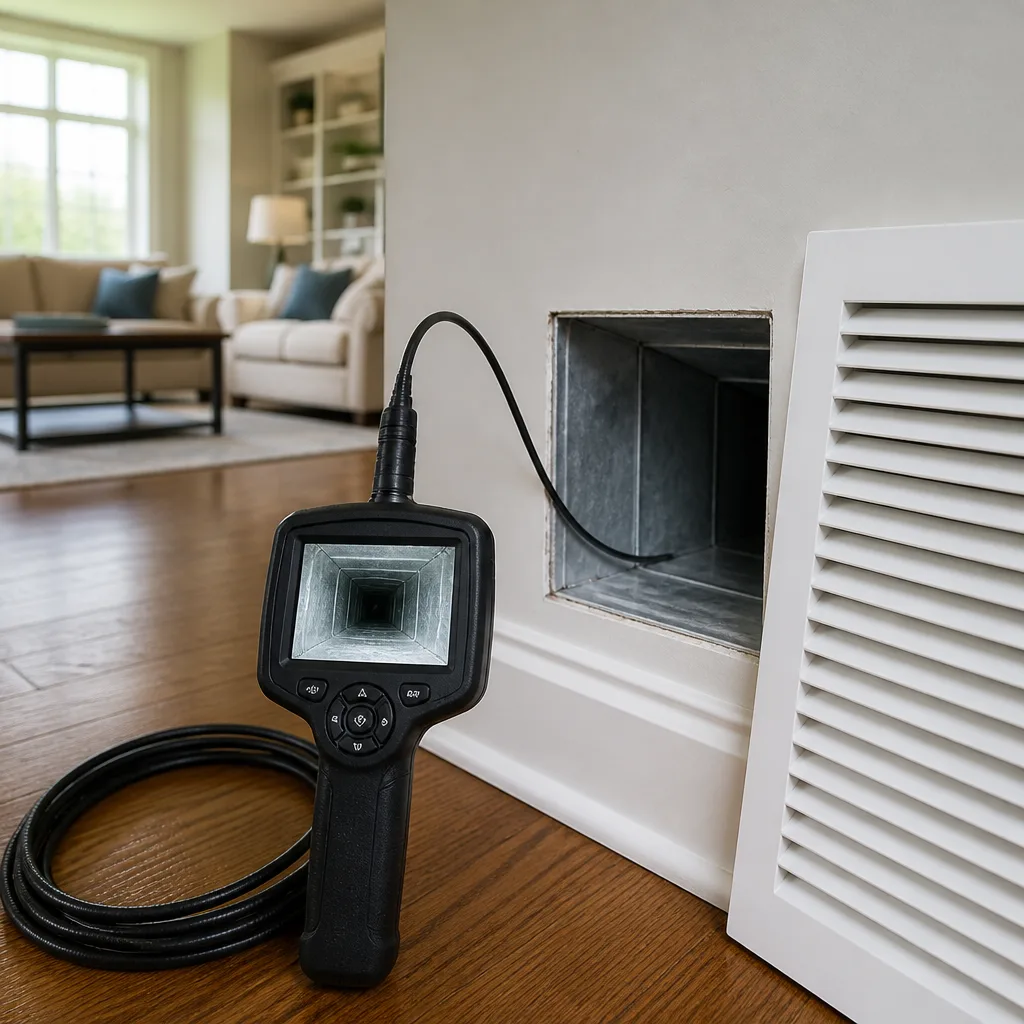 Camera inspection
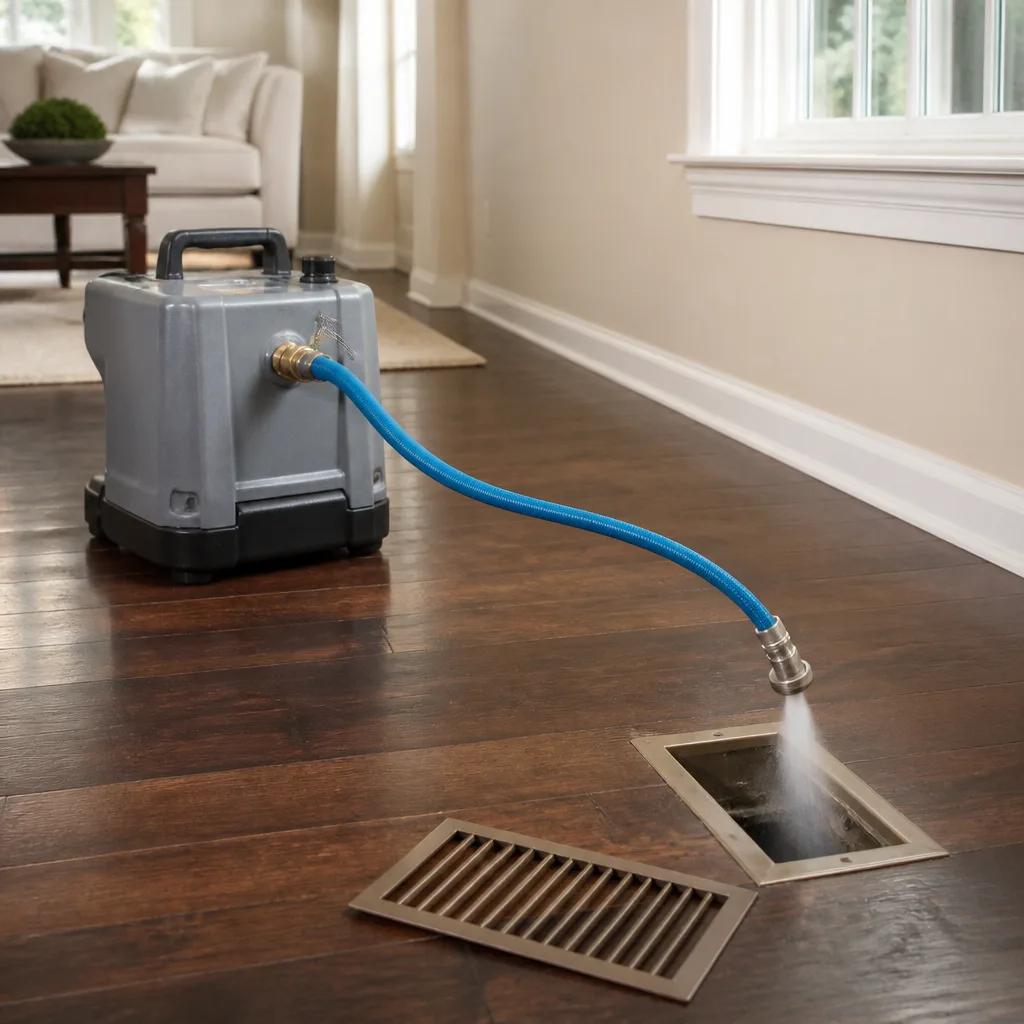 Sanitizing & deodorizing
Whole-system duct and dryer vent check with before-and-after photos - you see exactly what came out of your vents
That "$99 whole-house special" is a bait ad - the real number appears once they are in your hallway, or the "clean" is a shop-vac at the register. We photograph the inside of your ducts before and after instead.
Air Duct Cleaning Emergency Preparedness Guide for Crabtree Homes
Most Crabtree homeowners think of duct cleaning as routine maintenance, something you book when the registers look dusty or when allergies flare up. That framing misses a quieter risk: the events that actually contaminate a duct system happen fast, and the wrong first move can spread the problem through every room of the house. Turning your HVAC back on after a house fire, even a contained one, before the ductwork has been assessed can distribute fine soot particles from the return plenum into living spaces in under a minute. Flooding, rodent infiltration, and construction dust create their own hazards, each with a different response order. This guide walks through what counts as a duct emergency in Crabtree, what to shut off and isolate first, how to document the system for insurance, and when ductwork should be cleaned versus replaced.
Quick Answer
In Crabtree, a duct emergency is any event that introduces soot, water, biological contaminants, or debris into the duct system faster than routine maintenance can address it: house fires, flooding, rodent infestation, or heavy construction dust. The correct first step is always to shut off the HVAC system and isolate the affected duct runs before turning anything back on. Document the system with photos before any cleaning begins, then hire a professional for a full-pathway assessment that covers cleaning, sanitizing, and duct repair.
Styles & brands we work with
- Whole-home duct cleaning
- Dryer vent cleaning
- Camera inspection
- Sanitizing & deodorizing
Table of Contents
- What Counts as a Duct Emergency in Crabtree?
- Fire and Smoke: The First 24 Hours
- Flooding and Water Intrusion Protocol
- Rodent and Pest Infiltration Response
- Construction Dust Intrusion
- How to Document Duct Condition for Insurance
- Emergency Cleaning vs. Standard Cleaning
- Clean vs. Replace: Decision Criteria
What Counts as a Duct Emergency in Crabtree?
A duct emergency is an event, not a slow accumulation. That distinction matters because the response window is measured in hours, not weeks, and because the wrong intervention early on can make things materially worse. In our experience across air duct cleaning work, there are four event types that require the emergency protocol.
- Fire and smoke: Any fire in the home, even one confined to a kitchen or a single closet, sends fine soot into the return air system. Soot particles in the sub-micron range penetrate deep into flex duct liner and rigid duct joints.
- Flooding and water intrusion: Standing water, roof leaks, and burst supply lines introduce moisture into insulated duct runs. Wet insulation becomes a growth medium for mold within a few days, and in the Crabtree area’s humid summers that window is shorter than many people assume.
- Rodent infestation: Mice and squirrels enter ductwork through gaps at the foundation or in attic runs. Their droppings, nesting material, and urine create both an odor problem and a genuine respiratory hazard that cannot be solved by a consumer vacuum.
- Construction dust intrusion: Renovation work in a home with the HVAC running pulls drywall dust, sawdust, and insulation fibers into the duct system, where they settle in the plenum and off-run branches. This is one of the most common contamination events Crabtree homeowners overlook because the dust looks harmless.
What these events share is a single mechanism: contamination enters at a return, the blower distributes it through every supply, and the duct structure holds it there. Once that happens, the system is actively circulating whatever entered the home. Understanding the specific protocol for each event type matters because the isolation step and the cleaning method change depending on the source.
Fire and Smoke: The First 24 Hours
Turn the thermostat to OFF and shut down the air handler as soon as the fire is out and it is safe to enter the building. Do not run the fan to clear smoke from the house; that fan is exactly what pushes soot deeper into the duct system and distributes it into rooms that escaped the fire itself.
Smoke residue is not just smoke. It contains combustion byproducts, charred material, and chemical residue from burned furnishings and building materials. Once these settle into duct liner and register boots, the smell persists through every heating and cooling cycle, and some of that residue is what HVAC engineers call odor-source contamination: it has bonded to the duct surface and won’t release without direct mechanical cleaning. In our experience with restoration work, this is the most common reason a post-fire cleaning fails to resolve the smell on the first attempt.
- Shut off the system at the thermostat and at the air handler breaker. Leave both off until a technician has assessed the ducts.
- Seal the supply and return registers with plastic sheeting and painter’s tape to keep soot from circulating while the home is being cleared.
- Do not run box fans, ceiling fans, or air purifiers in the affected rooms before the ducts are assessed. They move the same particles the HVAC would.
- Photograph everything before cleanup begins. We cover the documentation step in detail below.
- Book a full-pathway assessment that includes mechanical cleaning with rotary brush equipment and HEPA extraction, plus a sanitizer application on the duct interior.
A house fire produces a specific cleaning scenario that consumer-grade vacuums cannot address. The soot is fine enough to pass through a normal household filter and re-settle in the living space. Rotobrush rotary brush systems are the industry standard for agitating the duct walls and breaking that bonded residue loose, and Nikro HEPA-rated vacuums capture particles down to 0.3 microns when the work is underway. Abatement Technologies air scrubbers, run on-site during the service, capture airborne material as it’s dislodged, so the contamination doesn’t simply move from the ducts into the room.
Flooding and Water Intrusion Protocol
Shut off the HVAC system, then physically inspect every accessible duct run for standing water and wet insulation before running the system again. Water and airflow together create the conditions for mold growth inside ducts, and mold contamination in a living space is a health issue that doesn’t resolve through a standard cleaning.
Water events come in two flavors for Crabtree homeowners, and they behave differently. Flooding from a storm or plumbing failure can fully submerge a crawlspace duct run for hours. A slow roof leak or condensate line failure can quietly wet the insulation around a single duct segment over days without obvious signs. The second type is the harder one, because by the time you notice the musty smell, the duct insulation has usually been wet for long enough that removal and replacement of the affected section is the correct call rather than drying in place.
After shutting off the system, the sequence for water intrusion looks like this:
- Cut power to the air handler at the breaker, not just the thermostat. Water and electrical components inside the handler are a safety concern.
- Identify the extent of water contact by inspecting attached duct runs, especially insulated flex sections in the crawlspace or attic.
- Remove standing water and begin drying the surrounding structure before touching the ducts. Ducts cannot dry if the space around them is still wet.
- Do not attempt to dry and reuse saturated flex duct. The inner liner holds moisture and the insulation loses its performance once wet. That duct section is a replacement item.
- After the structural drying is complete, have the duct system cleaned and sanitized, and have any wet sections replaced and resealed.
Duct repair and sealing matters here in ways a standard cleaning doesn’t address. Water intrusion almost always finds a duct joint or a break in the vapor barrier, and if that gap isn’t repaired, the next storm does the same thing again. Full-pathway service that includes duct repair and sealing closes the entry point as well as cleaning the interior.
Rodent and Pest Infiltration Response
Shut off the HVAC immediately and do not run the fan if you suspect rodent activity inside the ducts, because running the system will aerosolize droppings, urine, and nesting material into the living space. Rodent contamination in ductwork is a genuine health concern, not just an odor problem, and the response protocol reflects that.
Mice and squirrels get into duct systems through surprisingly small gaps: a foundation penetration, an unsealed boot at the register, or a disconnected flex run in the attic. Once inside, they leave droppings, urine, and chewed insulation. The chewed liner is important to catch because it opens the duct wall to the surrounding cavity, meaning contaminated air from a crawlspace or wall void can enter the living space through a duct that was never fully sealed in the first place.
- Shut off the HVAC at the thermostat and breaker. Do not run the system until the ducts are cleaned and the entry point is sealed.
- Seal registers temporarily with plastic sheeting to keep contaminated air from circulating while the home is being prepared.
- Have a pest control professional address the infestation before duct cleaning begins. Cleaning ducts while rodents are still present is wasted work.
- Schedule a full cleaning and sanitizer application once the pest issue is under control. Regular brushes can catch debris in the flexible liner; professionals who work with rodent contamination use rotary brush systems appropriate for the duct material and follow with a sanitizing step.
- Seal the entry points after the cleaning. Duct repair and sealing resolves the broken joints, unsealed boots, and disconnected runs the rodents used to get in.
What most homeowners miss is that the fix is two-sided. Cleaning the duct removes the contamination currently inside. Sealing the system prevents the next infiltration. A duct cleaning without follow-up sealing usually shows the same problem again within a season.
Construction Dust Intrusion
Turn off the HVAC system and cover the registers in any room where demolition or sanding is happening, ideally before the work begins. Construction dust is the most preventable duct contamination event in Crabtree homes and the one most commonly ignored until the dust settles into the plenum and every downstream branch.
The challenge with renovation dust is that it isn’t just one material. Drywall dust contains silica and calcium sulfate fines that are small enough to be inhaled deep into the lungs. Sawdust carries the oils and resins of whatever species is being cut. Insulation fibers are glass or mineral and stay airborne longer than most people expect. When a renovation runs with the HVAC on, that mixture goes into the return air and is deposited throughout the supply system.
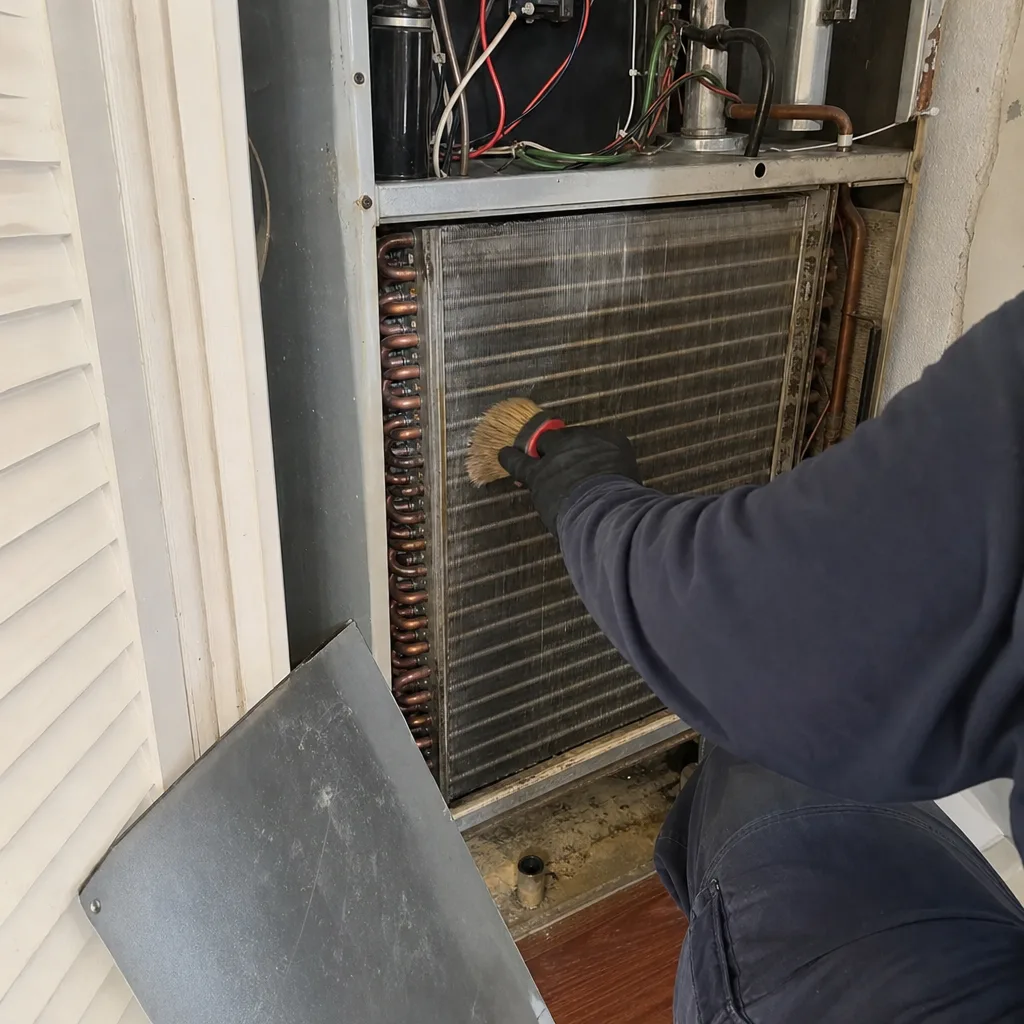
Aftermath contamination often shows up as a white powder visible on the register grilles, dust that keeps reappearing on furniture weeks after the renovation ends, and a system that runs louder because dust has loaded the evaporator coil. If the renovation was extensive or the system ran during drywall work, a full cleaning and coil cleaning is usually the correct step. Coil cleaning is often scheduled at the same time as the ductwork because a loaded coil and a loaded duct system both reduce airflow and increase operating cost. When the work is done, HVAC cleaning addresses the air handler and coil alongside the duct system.
Prevention steps for a planned renovation:
- Shut off the HVAC for the duration of any sanding, demolition, or drywall cut-out work.
- Cover the supply and return registers in the work area with plastic and painter’s tape.
- Use negative air pressure in the work zone with a HEPA-filtered air scrubber, exhausting out of the space rather than into the duct system.
- Change the HVAC filter at the end of the project and again two weeks later, rather than waiting for the next scheduled change.
- Have the ducts inspected after any renovation involving more than cosmetic work, and get a cleaning if visible dust is present at the registers.
How to Document Duct Condition for Insurance
Photograph the duct system before any cleaning, remediation, or cleanup begins, and get the photos timestamped automatically by your phone’s camera. Most insurance adjusters will deny a duct replacement claim without pre-remediation documentation showing the condition, and once cleaning has started, that evidence is gone.
What adjusters actually need, in our experience working with homeowner claims, falls into four categories:
- Wide shots of the affected area that establish the event: the fire damage, the standing water line, the hole rodents chewed through, the pile of renovation debris. These contextualize the contamination.
- Close-ups of the duct interior at the register and at the plenum, ideally with a light source so the texture of the contamination is visible. A photo of a dark duct interior with no detail doesn’t help.
- Photos of the register boots and duct joints showing any damage, water staining, disconnected sections, or unsealed penetrations. These support a repair-and-seal line item, not just a cleaning line item.
- A written scope of work from the professional who assessed the system, listing what was found and what remediation steps are required. Written scope of work in the same format other contractors use for restoration work makes the claim easier for the adjuster to process.
Two practical notes. First, save the photos to cloud storage before sending them to your insurer, in case your phone has issues. Second, don’t discard the contaminated filter or any materials removed during remediation until the claim has been settled. They’re part of the evidence.
Emergency Cleaning vs. Standard Cleaning
An emergency duct cleaning differs from a routine cleaning in three main ways: equipment brought on site, process sequence, and time required. Understanding the difference matters because quotes for “duct cleaning” often don’t reflect which scenario the homeowner is actually facing.
A standard cleaning on a system with normal dust accumulation typically covers the supply and return runs, the main trunk, and the registers, and can often be completed in a single appointment. An emergency cleaning after a fire, flood, or pest event must also handle:
- Containment and air scrubbing during the job to protect the indoor air while contaminated material is being dislodged. Rotobrush runs agitate the duct interior, which is what makes bonded soot or dried debris release; without air scrubbing, that material goes into the room.
- HEPA extraction rated for the particle sizes involved. Standard shop vacuums and consumer-grade units don’t hold sub-micron material.
- Sanitizer application on the duct interior after cleaning, addressing biological contamination and residual odor.
- Assessment and repair of duct damage caused by the event itself: water-logged flex sections, chewed liner, soot-damaged joints.
- Sealing of the repaired system so the cleaning doesn’t need to be repeated after the next contamination event.
Timelines are longer for emergency cleaning because the process has more steps, and because the correct sequence is fixed. Cleaning before the source event is fully addressed (rodents are still present, the water intrusion is ongoing, the renovation is still active) simply resets the clock rather than resolving the problem. Pricing reflects the scope of work, which is why we quote per system after assessing the actual condition of the ducts rather than giving a single number over the phone. The written estimate after the on-site assessment sets the final price.
Clean vs. Replace: Decision Criteria
Most ductwork in Crabtree homes can be cleaned after an emergency event rather than replaced, but there are definite conditions under which replacement of a specific section is the correct call. The decision is made section by section, not for the whole system at once.
Clean and keep when the duct is structurally sound, the contamination is on the interior surface, and the lining and insulation are intact:
- Surface dust, normal soot deposits, construction dust, and light smoke residue.
- Duct joints still sealed and connected, with no visible gaps in the system.
- Insulation dry and performing its function.
- Flex liner not chewed through or compressed beyond recovery.
Replace when the section is compromised in a way cleaning can’t fix:
- Insulation is saturated or persistently damp after drying, since wet insulation loses performance and holds mold risk even after the surface is cleaned.
- Flex duct has been chewed through, torn, or crushed during an event.
- The duct interior is coated with mold growth that has penetrated the liner, rather than sitting on the surface.
- Rigid duct has structural damage from fire or impact (collapsed sections, separated joints that can’t be resealed).
- The duct run is the wrong size or routed incorrectly and the replacement closes that performance issue in the same work.
In our experience, the replacement question comes down to durability of the duct itself rather than the level of contamination. If the duct is structurally intact and the interior can be mechanically cleaned and sanitized, that’s almost always the right move. If the duct material has been damaged or its insulating performance has been compromised, cleaning produces a clean but underperforming duct. A careful assessment that looks at both surfaces resolves the question quickly and gives the homeowner a documented decision either way. Book a free assessment through Air Duct Cleaning Crabtree if you’re uncertain.
Common Mistakes to Avoid
- Running the HVAC to “clear the air” after a fire. The blower spreads soot into every supply branch in seconds, and the rooms that escaped the smoke become contaminated too. Shut the system off and leave it off until the ducts are assessed.
- Vacuuming ducts with a shop vacuum to save time. A shop vac can’t capture sub-micron soot or hold HEPA-rated filtration, so it lifts the contamination and returns the fine particles to the room air. Nothing is removed; the contamination is just redistributed.
- Cleaning before the source is resolved. If rodents are still active, water is still intruding, or the renovation isn’t finished, the ducts will be recontaminated in weeks. Resolve the source first, then clean.
- Cleaning before photographing. Once the ducts are cleaned, the insurance evidence is gone. Take wide and close photos, plus a written scope of work, before any remediation starts.
- Reusing flex duct that was wet. Wet insulation looks dry on the outside and isn’t on the inside. A section that was submerged or persistently damp should be replaced, not dried and reused.
- Skipping the sealing step after cleaning. Cleaning without sealing the entry points and unsealed joints means the next event is a repeat. Duct repair and sealing is the step that makes the cleaning last.
- Running construction work with the HVAC on. Drywall dust and sawdust are preventable contamination events. Shut off the system and cover the registers before demolition begins, not after.
See the difference
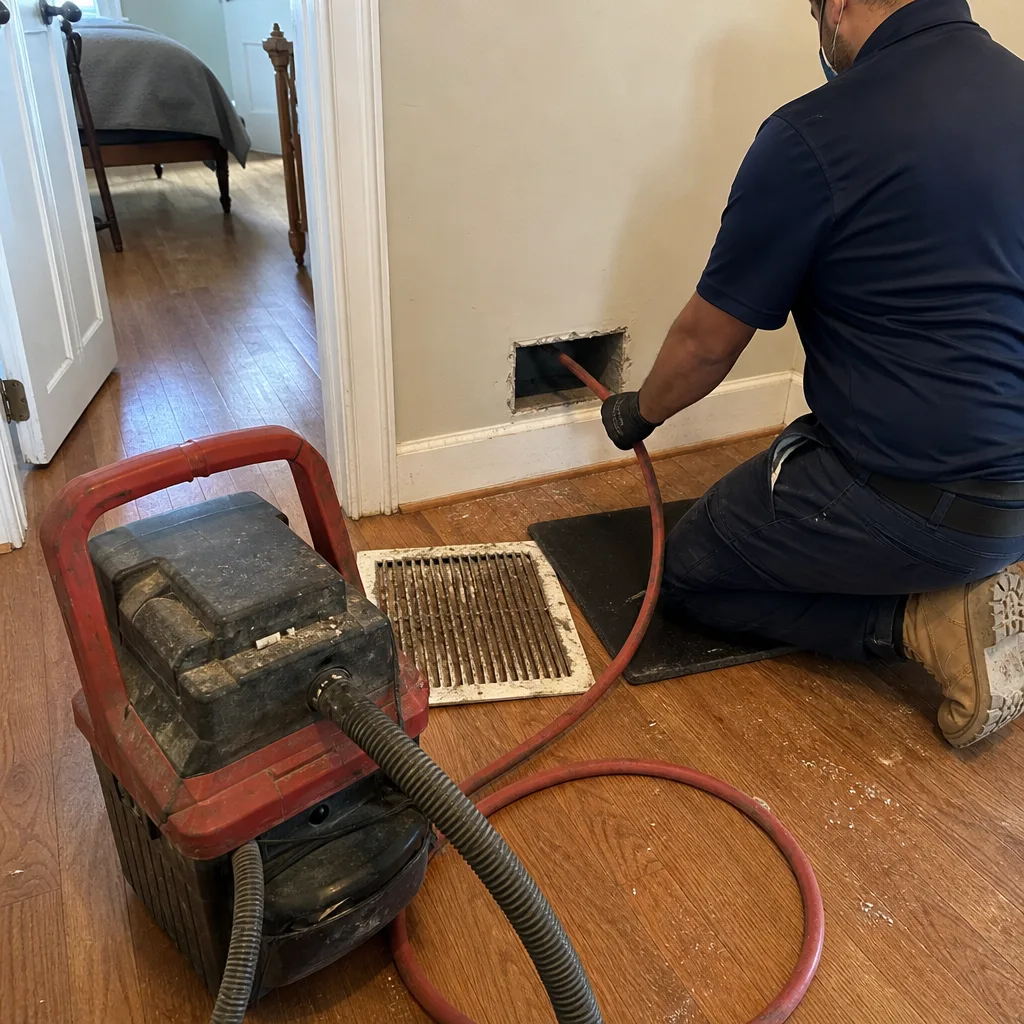 Before
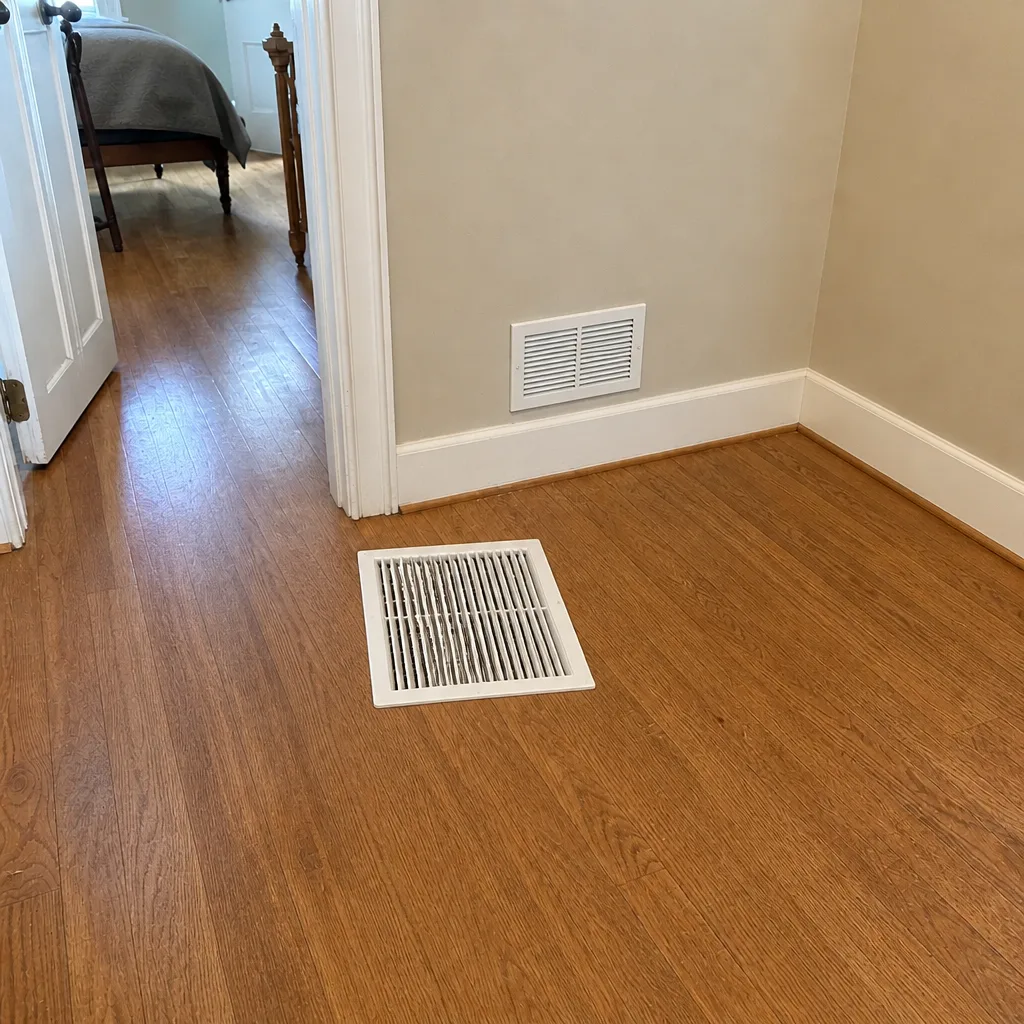 After
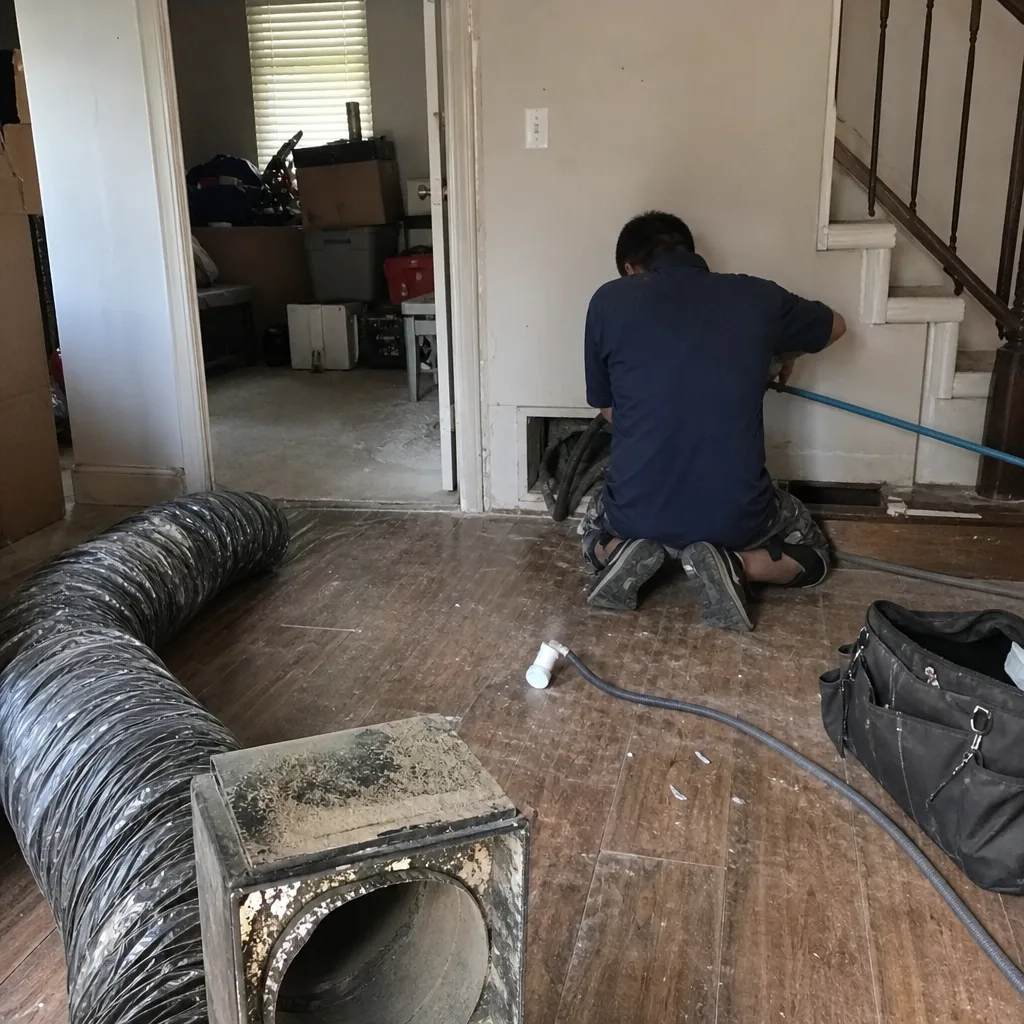 Before
 After
 Before
 After
When to Call a Professional
Call a professional any time the duct system has been exposed to smoke, standing water, rodent activity, or heavy renovation dust, and don’t wait for symptoms like musty odor or uneven airflow to appear first. Call immediately if the HVAC system still runs after a fire or flood and hasn’t been assessed. Call before restoring HVAC operation after any event, because the restoration step is the one that spreads contamination fastest. And call before starting the cleaning if you’re considering an insurance claim, since a documented assessment supports the claim and a cleaning without documentation often doesn’t.
Routine cleaning is a different conversation, and it’s worth scheduling on its own timeline if the system hasn’t been looked at in a while. We cover routine service in our dryer vent cleaning and ductwork scope pages, since the dryer vent, the air ducts, and the air handler are all part of the same ventilation system and benefit from being serviced together. Air Duct Cleaning Crabtree offers free estimates in Crabtree. Call (833) 509-5534; we answer 24/7. Fast dispatch from 7am to 7pm, Sunday through Friday.
Frequently Asked Questions
The price depends on the scope of the work and the condition of the duct system, which is why we quote per system after an on-site assessment rather than per vent. Emergency cleaning after fire, flood, or pest events involves more steps (containment, HEPA extraction, sanitizing, repair, and sealing) than routine cleaning, so it usually runs higher than a standard cleaning estimate. The written estimate sets the final price. Call (833) 509-5534 for a free estimate.
No. Even a small fire produces fine soot that the return air pulls into the duct system, and running the blower distributes it through every supply register in seconds. The size of the fire doesn’t predict how much soot entered the ducts. Shut the system off at the thermostat and the air handler breaker, seal the registers, and have the ductwork assessed before turning it back on.
Cheap quotes usually reflect a narrower scope: only the visible ductwork, consumer-grade equipment rather than HEPA-rated vacuums, no sanitizing step, no repair and sealing, and no air scrubbing during the work. That’s fine for a light routine cleaning on an everyday system, but it doesn’t handle emergency-level contamination, and it doesn’t include the repair and sealing work that keeps the system clean afterward. We quote the actual scope after assessment so you know what’s included and what isn’t.
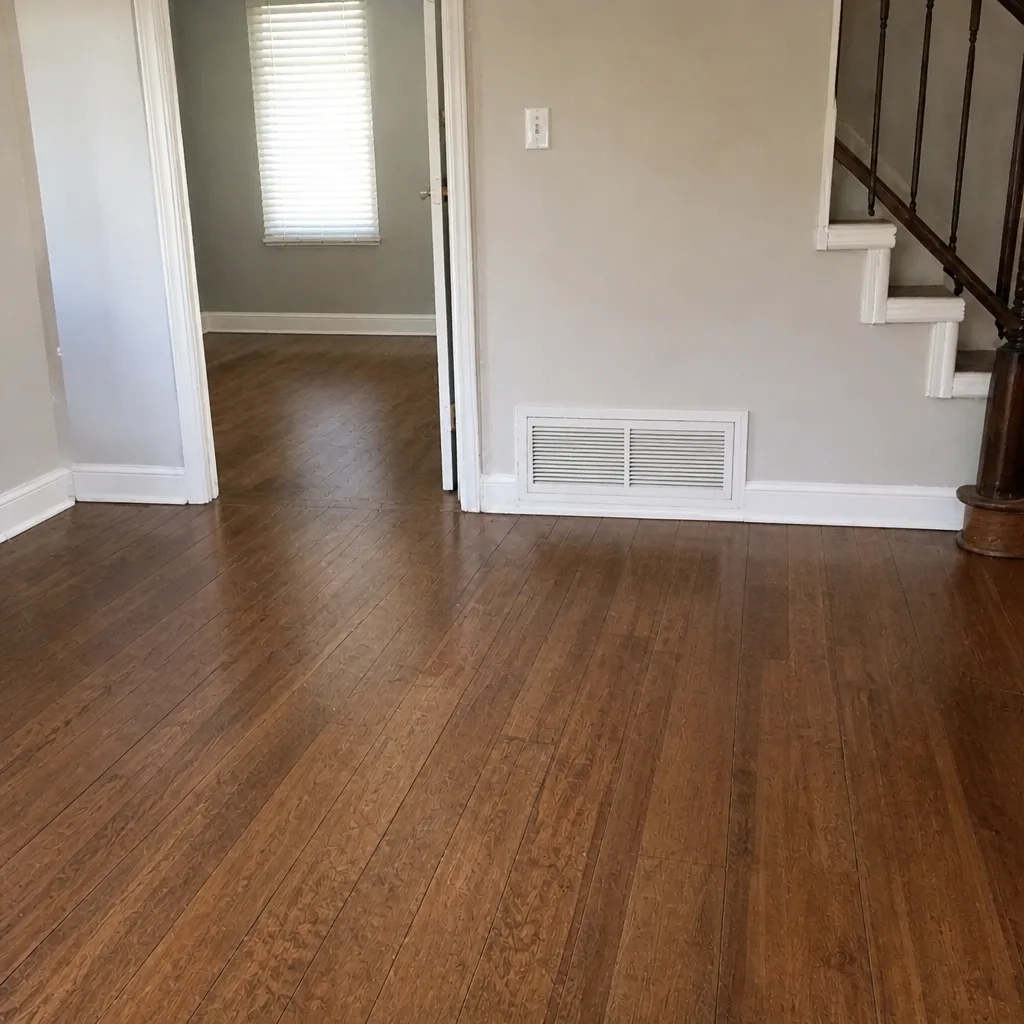
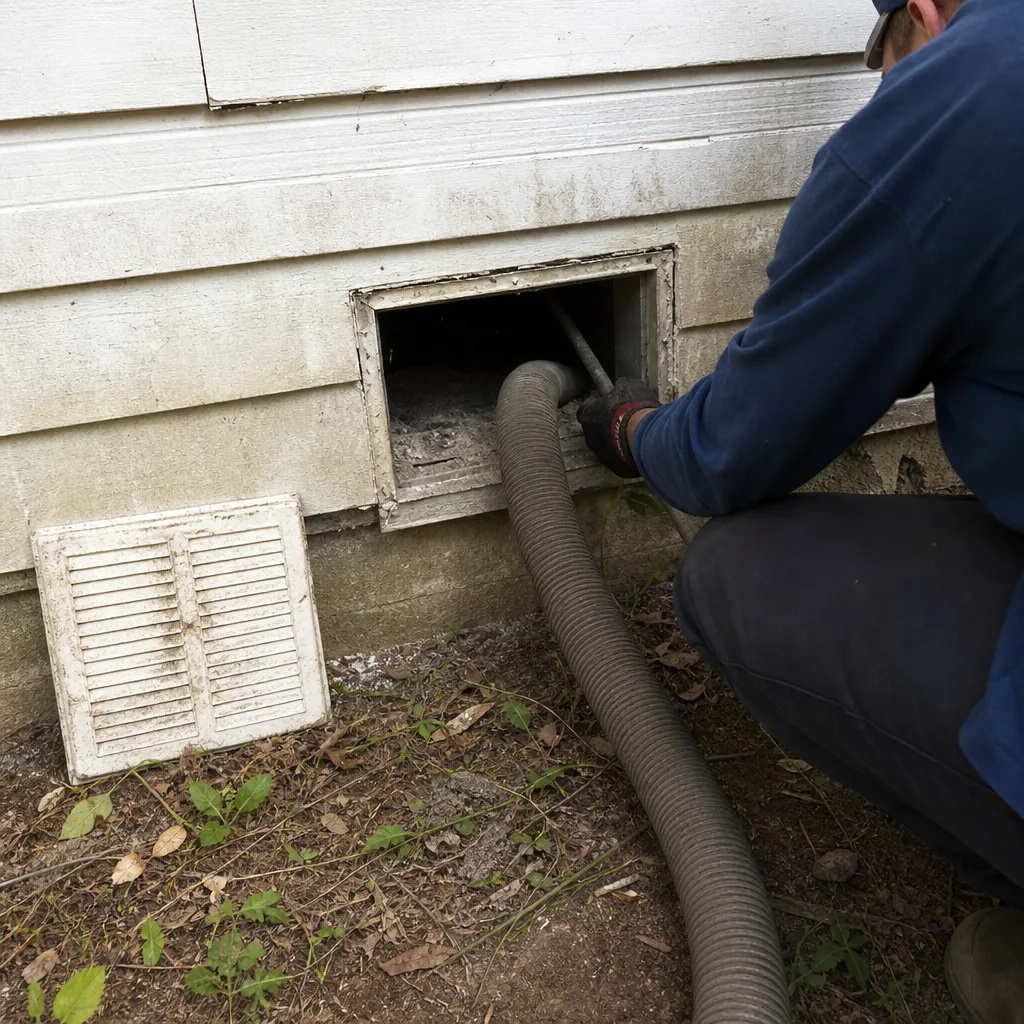
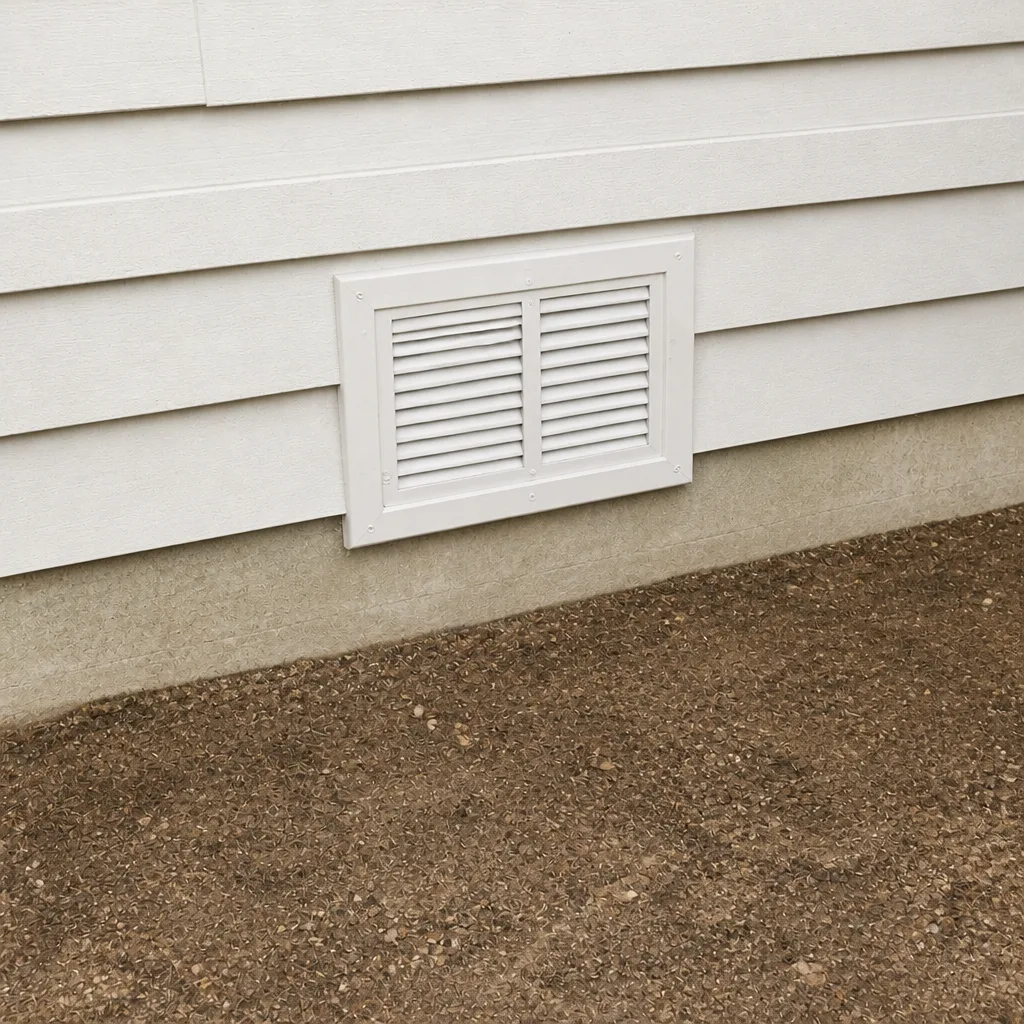
Ask for before-and-after photos of your own ducts, not stock images from a brochure. A technician should be able to show you the duct interior at the plenum, at least one supply branch, and the register boots, and should walk through what was found and what was cleaned. The sanitizer application, any repair and sealing, and the final filter change should all appear on the written scope.
Emergency cleaning is driven by events, not by a calendar. Most homes won’t need it more than once in a decade, and many won’t need it at all. Routine cleaning every few years is the more common pattern, and that schedule is usually enough for a system that hasn’t been through a fire, flood, pest, or major renovation event. If any of those events happen, the timeline changes fast and the emergency protocol applies.
Sometimes, yes, but usually only for the sections that were submerged or persistently wet. Dry insulation holds up well; saturated insulation doesn’t. A technician should assess the duct run by run and recommend replacement only where the material has actually been compromised. In most flooding cases, we can clean and sanitize the intact sections and replace only the saturated runs, then seal the whole system after the work is complete.
The Bottom Line
Duct emergencies are events, not slow accumulation, and the correct response in Crabtree is the same regardless of which event you’re facing: shut off the HVAC, isolate the affected registers, document the system thoroughly for insurance, and have the ductwork assessed before turning anything back on. Fire, flood, pest, and construction events each require a different protocol, but they all share one risk: the wrong first move spreads contamination through the home faster than the event itself. Cleaning after the source is resolved, sealing the system so it stays clean, and having the work documented for insurance makes the difference between a repair that holds and one that repeats. Call (833) 509-5534 for a free estimate. We answer 24/7. Fast dispatch from 7am to 7pm, Sunday through Friday.
Written by the team at Air Duct Cleaning Crabtree.